
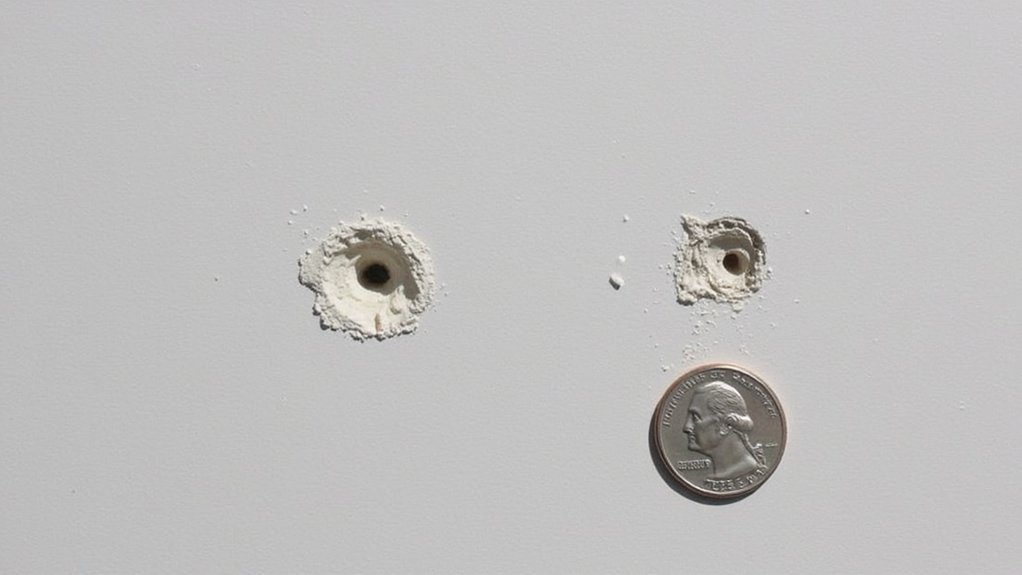
You’ve probably stared at those pesky nail holes in your walls for hours, wondering whether to grab the caulk or spackle tube. While both materials can fill holes, choosing the wrong one could lead to unsightly repairs that won’t stand the test of time. Understanding the key differences between caulk and spackle, along with when to use each, will help you make the right choice for your specific repair needs.
Understanding Caulk vs. Spackle: Key Differences
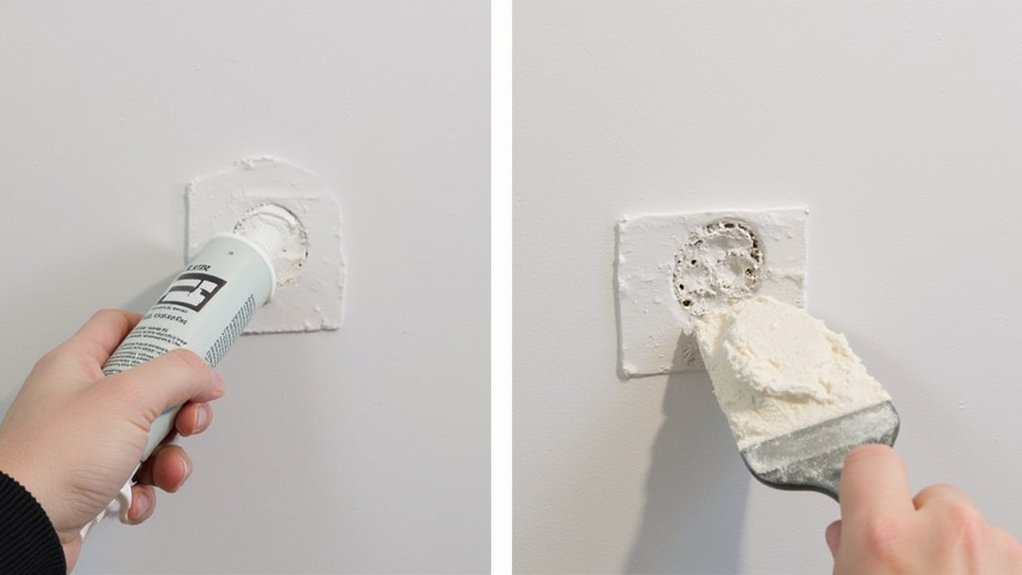
When you’re faced with repairing nail holes, understanding the key differences between caulk and spackle will help you choose the right product.
Key Characteristics:
- Spackle: A gypsum-based compound that dries hard and sandable, ideal for drywall repairs
- Caulk: A flexible sealant that remains slightly elastic after curing
Material Properties:
- Spackle
- Comes in lightweight and all-purpose formulas
- Takes 1-2 hours to dry completely
- Can be sanded smooth
- Caulk
- Silicone or latex-based options
- Cures in 24-48 hours
- Remains flexible
“Spackle is your go-to for interior wall repairs, while caulk works best for gaps and areas that need flexibility,” explains Tom Martinez, professional contractor with 20 years’ experience.
When to Choose Caulk for Nail Holes
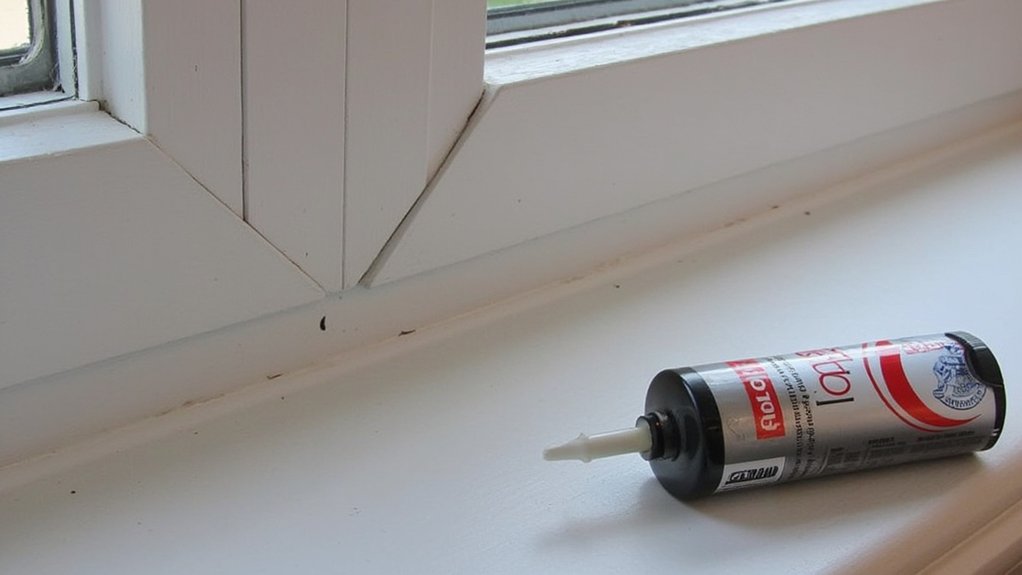
Understanding the key differences between these materials helps pinpoint exactly when you’ll want to reach for caulk instead of spackle.
You’ll want to use caulk for nail holes in these specific situations:
- When filling holes in areas exposed to moisture (bathrooms, kitchens, exterior trim)
- For gaps around trim work and baseboards
- If the hole is in a flexible surface that expands and contracts
- When sealing holes in vinyl or metal materials
“Caulk’s flexibility makes it ideal for surfaces that move with temperature changes,” says contractor Mike Reynolds. “It’ll maintain its seal even with seasonal shifting.”
For best results, choose:
- Paintable silicone caulk for bathroom areas
- Latex caulk for interior trim
- Exterior-grade caulk for outdoor applications
Best Scenarios for Using Spackle
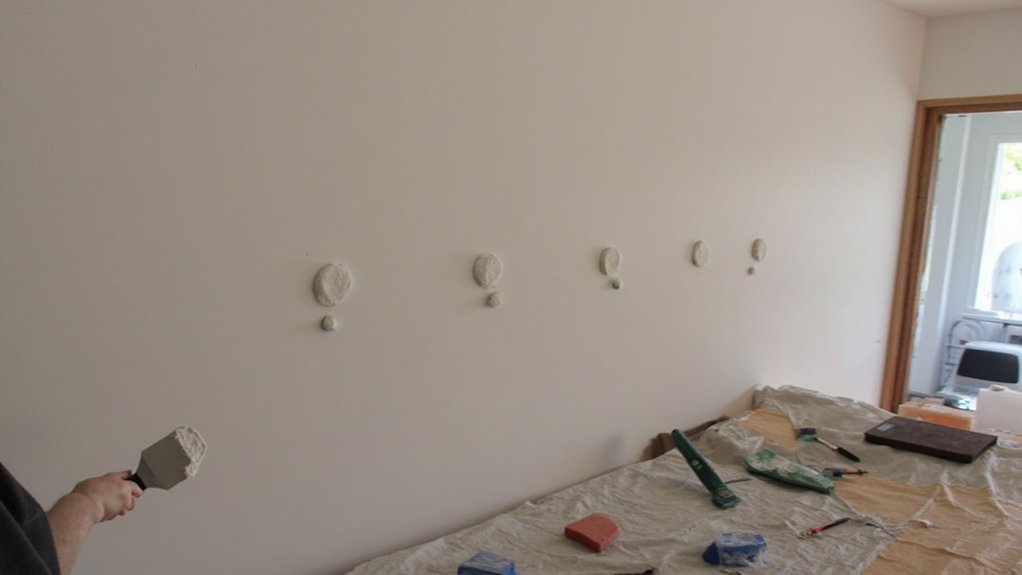
Unlike its flexible counterpart caulk, spackle excels at repairing holes in rigid, non-moving surfaces throughout your home’s interior walls and ceilings. “Spackle’s primary strength lies in its ability to dry rock-hard and create a seamless surface that’s perfect for painting,” explains drywall expert Sarah Chen.
Use spackle in these ideal scenarios:
- Drywall nail holes up to 1/4 inch in diameter
- Interior plaster wall repairs
- Ceiling hole patches
- Picture hook holes
- Dents from door handles
- Small wall dings and scratches
“For best results, apply spackle when room temperature is between 65-75°F,” advises Chen. You’ll get superior results using spackle on:
- Gypsum board
- Drywall
- Interior plaster
- Wood trim and molding
- Painted surfaces
Tools and Materials Needed for Both Methods
Proper tools and supplies make the difference between a professional-looking repair and an amateur patch job. “Having the right equipment ready before you start saves time and guarantees better results,” says contractor Mike Reynolds.
For spackle repairs, you’ll need:
- Lightweight spackle compound
- 2-inch putty knife
- Fine-grit sandpaper (220 grit)
- Clean cloth
- Small mixing container
For caulk repairs, gather:
- Paintable silicone caulk
- Caulk gun
- Utility knife
- Damp rag
- Paper towels
- Painter’s tape
Common tools for both methods:
- Safety glasses
- Drop cloth
- Paint and brush (if matching wall color)
- Vacuum or brush for cleanup
“Don’t forget protective gear – even small repairs can create dust,” advises Reynolds.
Step-by-Step Guide to Filling Nail Holes
Three common mistakes can doom your nail hole repair before you even start – rushing the prep work, using the wrong filler, and skipping essential steps. “The key to professional-looking results is methodically following each step in the right order,” explains home repair specialist Sarah Chen.
Follow these steps for ideal results:
- Clean the hole area with a damp cloth
- Sand lightly with 220-grit sandpaper
- Remove dust with a tack cloth
- Apply filler with a putty knife at a 45-degree angle
- Let dry completely (30-60 minutes)
- Sand smooth with 320-grit paper
- Wipe clean with tack cloth
- Apply second coat if needed
- Final sand after drying
- Prime before painting
“Don’t rush the drying time between steps,” Chen advises. “Each layer needs proper curing for lasting results.”
Common Mistakes to Avoid During Repairs
While filling nail holes may seem straightforward, many DIYers make costly mistakes that lead to visible repairs and touch-ups down the road. “I see homeowners rushing through repairs without proper preparation, using incorrect materials, or skipping essential steps,” notes contractor Mike Williams, who’s repaired thousands of wall holes over his 20-year career.
Common mistakes you’ll want to avoid include:
- Failing to clean debris from holes before filling
- Using too much filler material, creating bumps
- Not sanding between coats of spackling
- Applying paint before filler fully dries (wait 24 hours)
- Choosing the wrong repair material for your wall type
- Skipping the primer step before painting
- Using old, dried-out spackling compound
- Rushing through the repair process
