
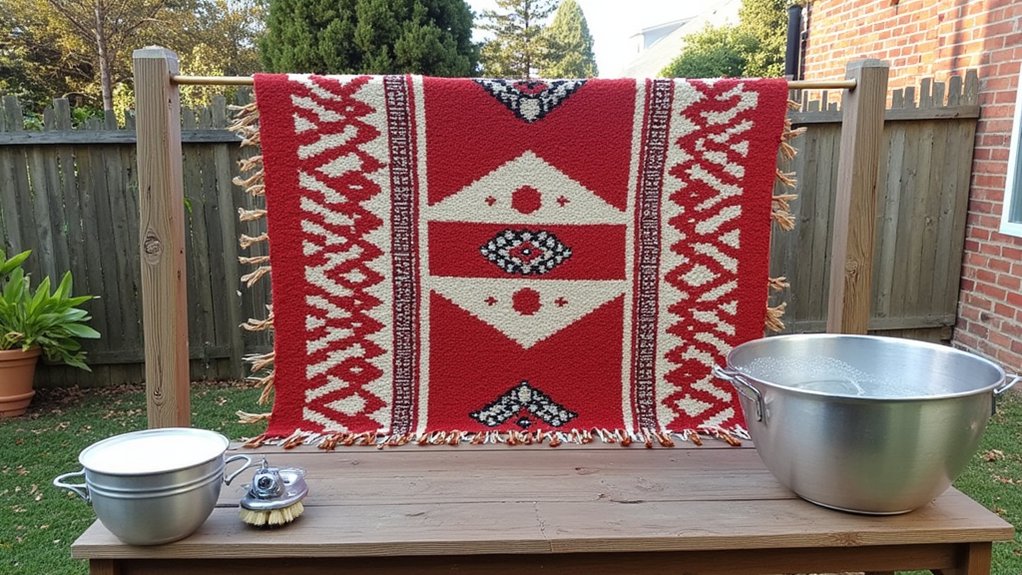
You’ve inherited your grandmother’s crocheted afghan, but it’s developed mysterious stains and that musty smell from years of storage. Cleaning this treasured blanket seems risky—one wrong move could destroy decades of intricate handwork. According to textile expert Maria Rodriguez, “The key lies in identifying your afghan’s specific materials and construction before choosing any cleaning method.” Whether you’re dealing with delicate vintage yarn or modern synthetic fibers, the wrong approach could leave you with a shrunken, damaged mess instead of a restored family heirloom.
Materials Needed
Preparation starts with gathering specific cleaning supplies that protect your afghan’s delicate fibers during the washing process. You’ll need gentle detergent designed for delicate fabrics, avoiding harsh chemicals that damage yarn structure. “Use half the recommended amount of detergent for handknits,” advises textile expert Sarah Mills.
Essential materials include:
- Mild wool detergent – 1-2 tablespoons maximum for hand washing
- Clean white towels – 3-4 large bath towels for drying and blocking
- Large basin or bathtub – Sufficient space for submerging without crowding
You’ll also need cool water and a flat drying surface to prevent stretching during the cleaning process.
3 Ways To Do It
You’ve got three main cleaning methods to choose from based on your afghan’s fabric and current condition. Hand washing works best for delicate or vintage afghans, while machine washing suits sturdier blankets made from cotton or synthetic materials. Spot cleaning targets specific stained areas without subjecting the entire blanket to a full washing process.
1. Hand Washing Delicate Afghans
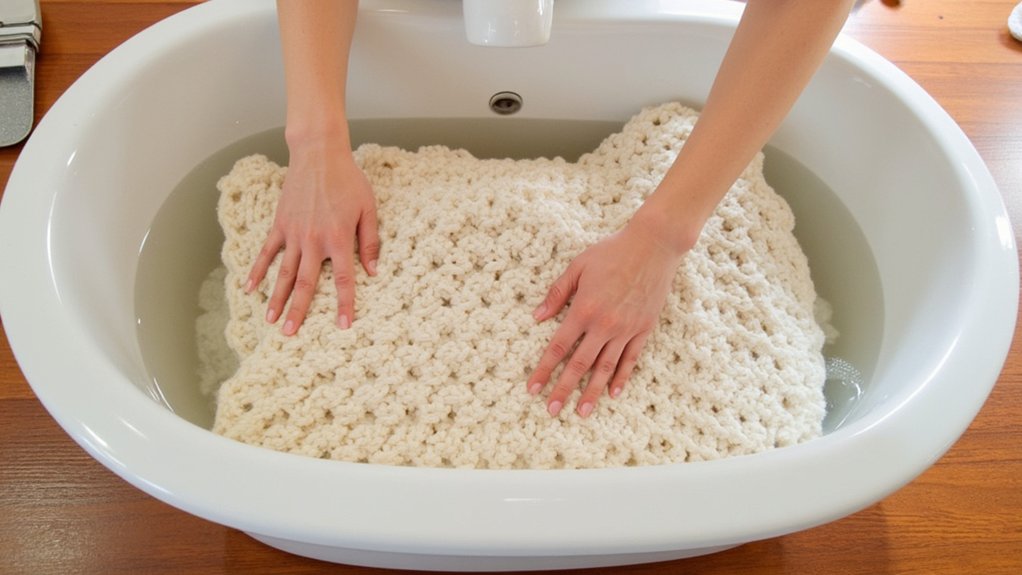
When your afghan features delicate fibers like wool, cashmere, or vintage yarns, hand washing becomes the safest cleaning method to preserve both texture and structure.
Fill a clean basin with lukewarm water (68-75°F) and add one tablespoon of wool-safe detergent per gallon. Gently submerge your afghan and let it soak for 10-15 minutes without agitation.
Essential hand washing steps:
- Press gently – Never wring or twist the fabric during cleaning
- Rinse twice – Use cool water to remove all detergent residue completely
- Support weight – Lift the wet afghan with both hands underneath for proper support
2. Machine Washing Sturdy Afghans
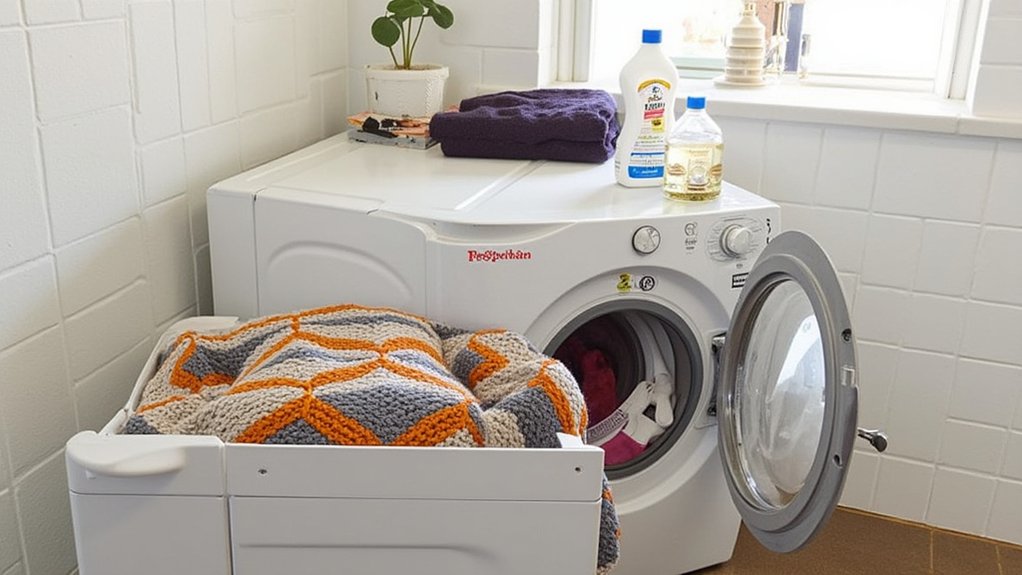
Three main methods allow you to safely machine wash afghans made from durable materials like cotton, acrylic, or synthetic blends.
Cold Water Cycle Method
- Pre-treat stains – Apply gentle detergent directly to spots and let sit for 10 minutes
- Use delicate settings – Select cold water (30°F or below) with slow agitation speed
- Add fabric softener – Include one capful during rinse cycle for maintained softness
“Machine washing works well for synthetic afghans when you control water temperature,” explains textile expert Maria Rodriguez.
Check your afghan’s care label first. Use mild detergent and avoid bleach completely. Wash similar colors together to prevent bleeding.
3. Spot Cleaning Stained Areas
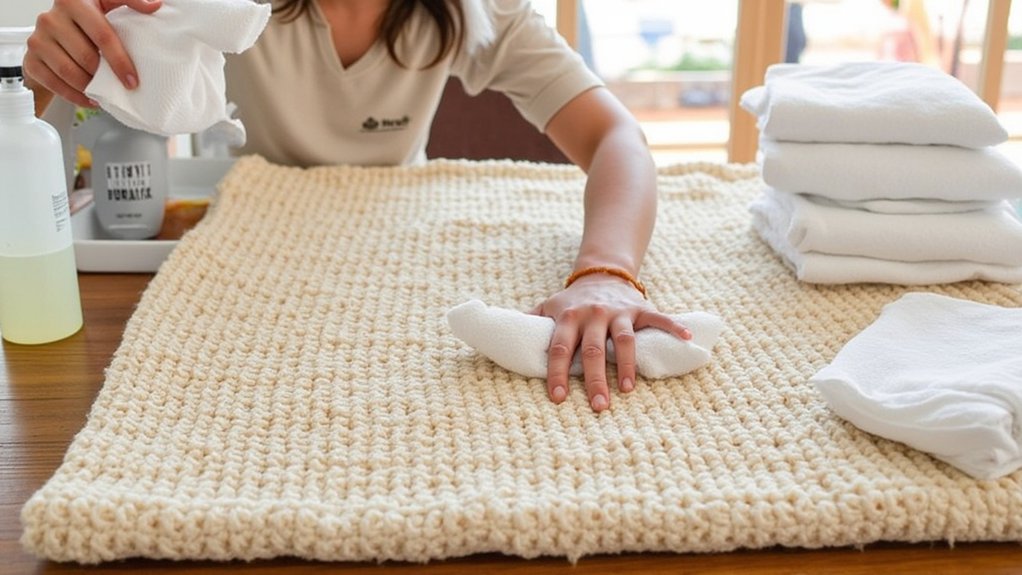
Targeted spot cleaning provides the safest approach for delicate afghans or when dealing with isolated stains that don’t require full washing. You’ll protect fragile fibers while effectively removing specific problem areas without risking damage to the entire blanket.
Follow these essential steps for successful spot treatment:
- Blot immediately – Press clean cloth against fresh stains to absorb liquid before it sets permanently
- Test cleaning solution – Apply small amount to hidden corner and wait 10 minutes to check for color bleeding
- Work gently outward – Dab from stain edges toward center using circular motions to prevent spreading
Antique or Heirloom Afghans
Since antique and heirloom afghans often hold irreplaceable sentimental value, you’ll need extra caution when cleaning these delicate treasures. Test any cleaning method on a hidden corner first to check for color bleeding or fabric damage.
Essential Precautions:
- Consult a textile conservator for afghans over 50 years old
- Use distilled water only to prevent mineral deposits
- Never wring or twist vintage fibers
“Antique textiles require gentle handling and specialized knowledge,” explains textile expert Sarah Mitchell. Hand-wash in cool water for 5-10 minutes maximum, then lay flat on clean towels for 24-48 hours to air dry completely.
