
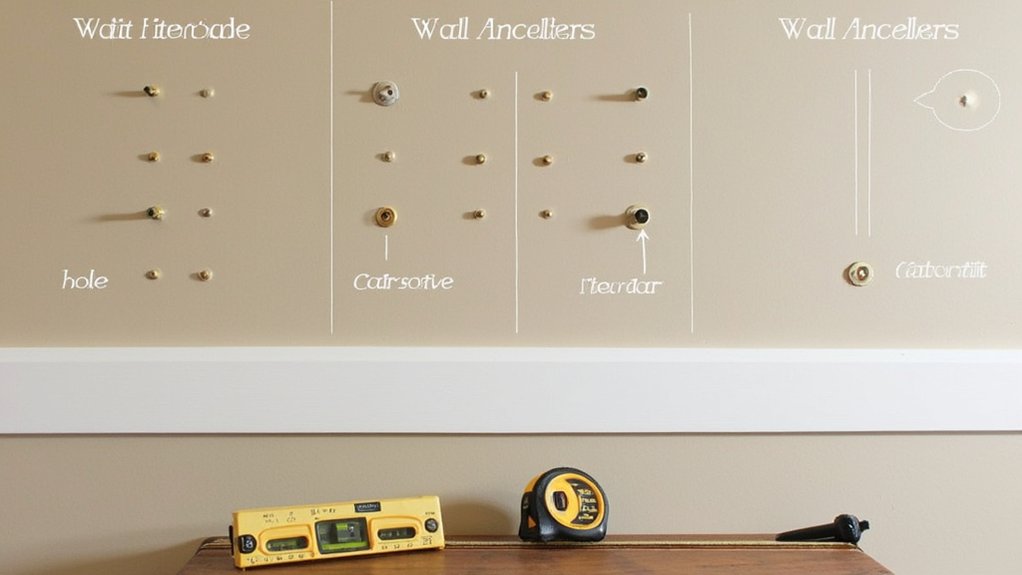
When you’re setting up your apartment, the question of hanging decor often leads to uncertainty about using nails and screws. Your lease agreement holds the key to what’s permitted, but most landlords allow some degree of wall mounting with proper methods. Before you grab that hammer or drill, you’ll need to understand your rights as a tenant and learn the best techniques for mounting items without causing costly damage.
Understanding Your Lease Agreement and Property Rules
Before you start hanging pictures or mounting shelves in your rental, you’ll need to carefully review your lease agreement for specific rules about nails and screws.
Key areas to check in your lease:
- Wall modification policies
- Required maintenance procedures
- Security deposit deduction terms
- Permitted hardware types and sizes
“Most standard leases allow small nail holes up to 1/8 inch, but any larger modifications typically need written approval,” explains Sarah Chen, certified property manager.
If your lease doesn’t specifically address wall hangings, contact your property manager directly. Make sure to:
- Get written permission for any modifications
- Document existing wall damage before making changes
- Keep copies of all correspondence
- Take photos before and after installations
Alternative Methods for Wall Decor and Mounting
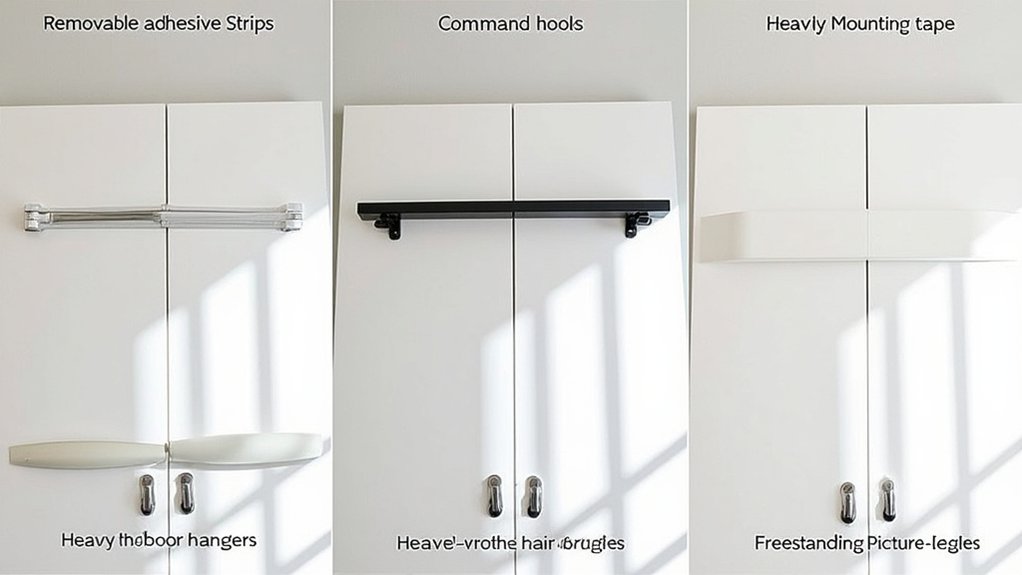
While nails and screws can damage walls, you’ll find plenty of renter-friendly options for hanging decor without leaving permanent marks. Consider these damage-free alternatives:
- Command Strips and Hooks
- Hold up to 16 pounds when properly installed
- Remove cleanly with no residue
- Perfect for frames and lightweight mirrors
- Adhesive Picture Hanging Strips
- Support items up to 4 pounds
- Allow for easy leveling adjustments
- Work well on most wall surfaces
- Over-the-Door Hangers
- Can handle weights up to 35 pounds
- Require no wall modification
- Ideal for heavy mirrors and large artwork
- Washi Tape for Lightweight Items
- Holds papers and small prints up to 8 ounces
- Available in decorative patterns
- Peels off easily without damaging paint
Best Practices for Using Nails and Screws Safely
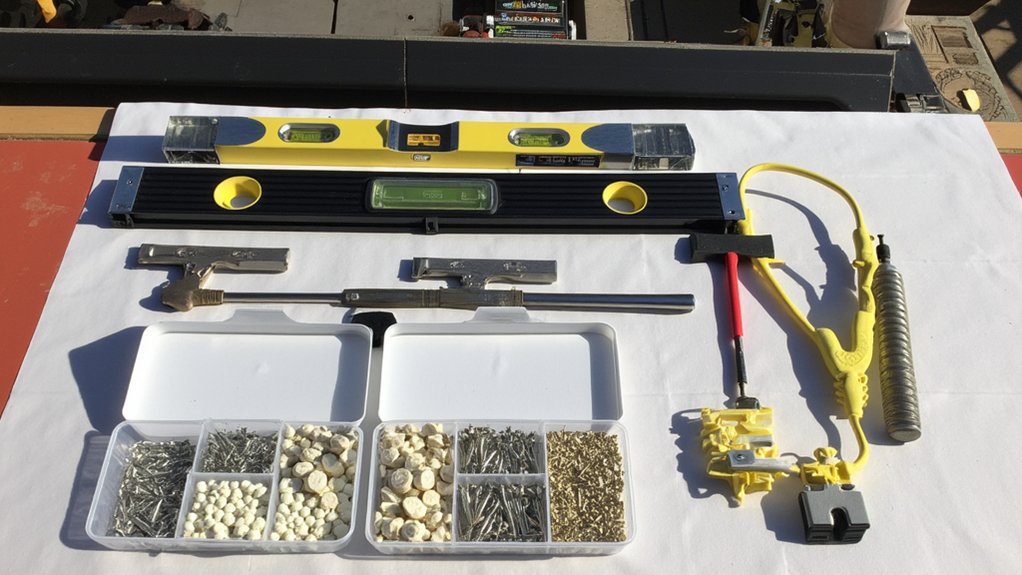
Although many rental agreements discourage using nails and screws, you’ll sometimes need them for securing heavy items safely. Follow these essential guidelines when using fasteners in your apartment:
- Use a stud finder to locate secure mounting points
- Pre-drill holes sized 1/8 inch smaller than your screws
- Choose the right fastener for your wall type and item weight
- Install anchors rated for at least 1.5x your item’s weight
“Always verify your wall’s material before selecting hardware,” says contractor Mike Bennett. “Drywall requires different support than plaster or concrete.”
When hammering nails:
- Mark your spot with painter’s tape
- Tap gently at a slight upward angle
- Keep strokes controlled and precise
- Test the nail’s stability before hanging items
Repairing Wall Damage and Protecting Your Deposit
Even proper nail and screw installation can leave marks on your walls when it’s time to move out. Here’s how to repair common damage and protect your security deposit:
For Small Nail Holes:
- Fill holes with spackling compound using a putty knife
- Let dry for 2-4 hours
- Sand smooth with 220-grit sandpaper
- Wipe clean with damp cloth
For Larger Screw Holes:
- Remove any loose debris
- Apply mesh patch for holes larger than 1/4 inch
- Cover with joint compound in thin layers
- Allow 24 hours between coats
- Sand and paint to match wall
“Most landlords expect minor wall repairs, but proper patching technique is essential,” says Mark Thompson, certified property inspector. “Always document pre-existing damage and keep photos of your repairs.”
Legal Rights and Responsibilities for Tenant Modifications
Before making any modifications to your rental unit, you’ll need to understand your legal rights as a tenant. Most lease agreements specify what changes you can make to walls and fixtures.
Check these key legal points:
- Your lease terms regarding wall modifications
- Local tenant rights laws about reasonable adjustments
- Requirements for landlord approval
- Written documentation of permissions
“Tenants should always get written consent before making permanent changes,” says property attorney Sarah Mills. “Even small holes require proper authorization.”
Your responsibilities typically include:
- Following building codes
- Using approved installation methods
- Maintaining safety standards
- Restoring the unit to original condition upon move-out
Remember: Unauthorized modifications could result in deposit deductions or legal issues, so document everything and keep copies of permissions.
