
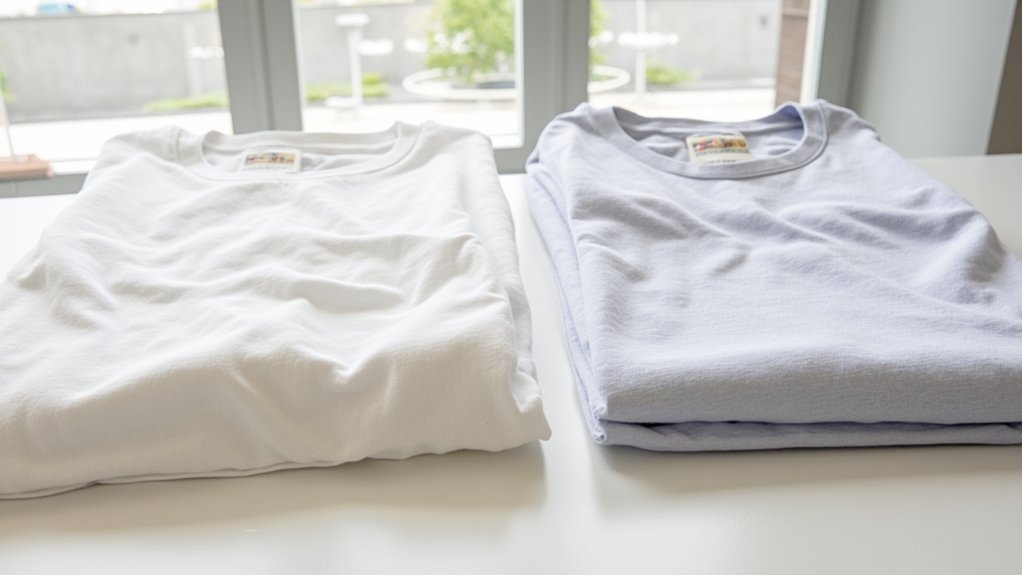
Just like a beloved sweater that’s gone through one too many washes, scratchy cotton can feel like sandpaper against your skin. If you’ve ever pulled a fresh cotton item from your closet only to find it’s stiff and uncomfortable, you’re not alone – textile experts estimate that 30% of cotton garments develop unwanted texture over time. You’ll discover several proven methods to transform that rough fabric into the soft, cozy material you originally purchased, using items you likely already have at home.
Understanding What Makes Cotton Scratchy
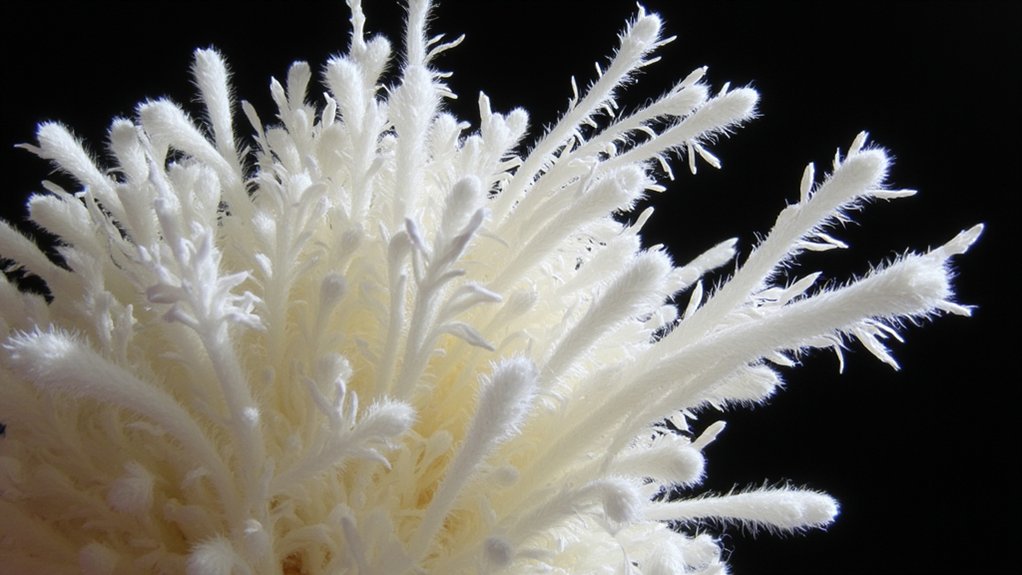
While brand-new cotton clothing can feel stiff and uncomfortable against your skin, several factors contribute to this scratchy texture. The fiber structure of raw cotton contains natural waxes and compounds that manufacturers don’t fully remove during processing. You’ll notice this most in denser weaves and heavyweight fabrics.
The fabric weave itself plays an essential role in comfort. “Tighter weaves often feel more rigid initially due to the compact arrangement of threads,” explains textile expert Sarah Chen. When cotton fibers are packed closely together, they can’t move freely, resulting in that cardboard-like feel.
Additional factors include:
- Chemical treatments and sizing agents
- Manufacturing residues
- Incomplete pre-washing processes
- High thread count without proper finishing
These elements work together to create that initial stiffness you’re experiencing in new cotton items.
Natural Softening Methods Using Household Items
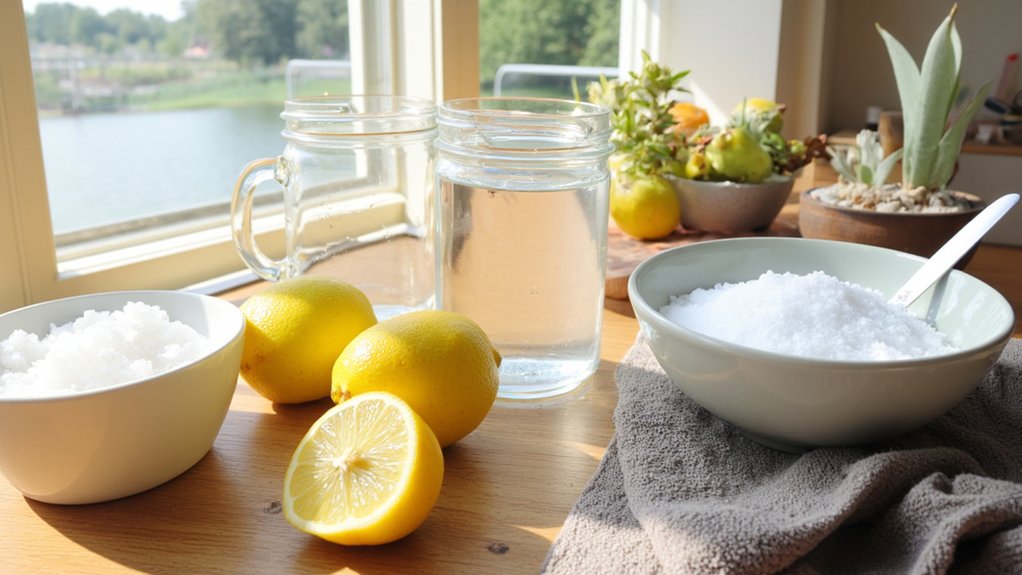
Several common household items can effectively soften scratchy cotton without harsh chemicals or expensive products. “Natural softening agents like white vinegar, baking soda, and salt work by breaking down residual compounds in the fabric,” says laundry expert Maria Torres.
To soften your cotton naturally:
- Add 1 cup of white vinegar solution to your washing machine’s rinse cycle
- Soak items overnight in a mixture of warm water and 1/2 cup baking soda
- Combine both methods by adding 1/2 cup each of vinegar and baking soda to separate rinse cycles
“These methods are especially effective when you use warm water, as it helps the fibers relax and accept the softening agents,” explains Torres. You’ll notice improved softness after just one treatment, though stubborn items may need repeated applications.
Laundry Techniques for Softer Cotton
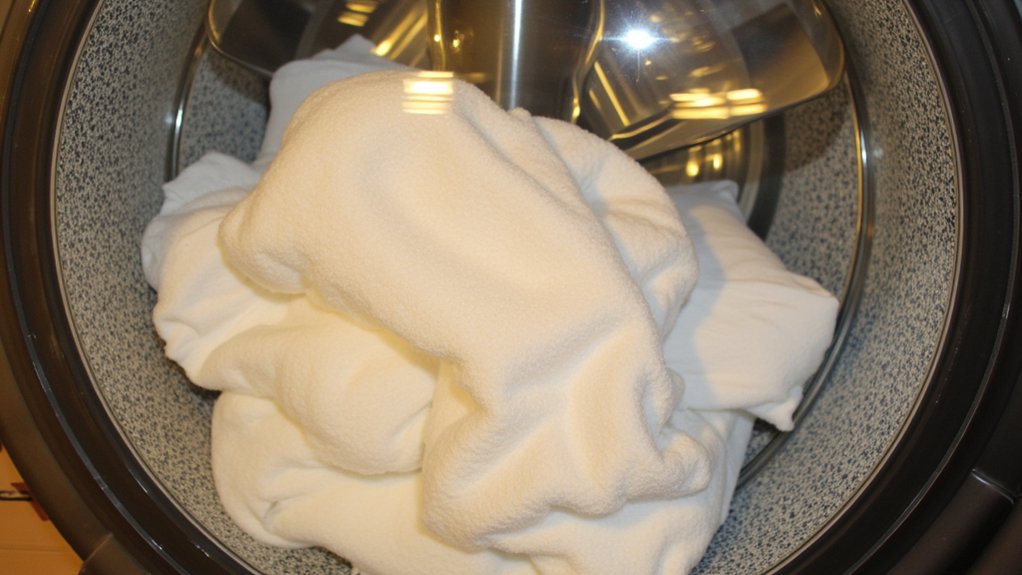
Proper laundry techniques play an essential role in maintaining soft, comfortable cotton fabrics. “The way you wash and dry your cotton items can significantly impact their texture and feel,” notes textile care specialist Jennifer Wu.
Follow these key laundry tips for softer cotton:
- Wash cotton items in warm water (85-105°F) with minimal detergent
- Add 1 cup of white vinegar during the rinse cycle
- Don’t overload your washing machine – leave 1/3 empty
- Use the gentle cycle setting for delicate cotton items
For ideal fabric care during drying:
- Remove items while slightly damp (80% dry)
- Shake fabrics vigorously to prevent wrinkles
- Air dry on a clothesline or drying rack when possible
- If using a dryer, include wool dryer balls and use medium heat
Chemical Fabric Softeners and Their Effects
Chemical fabric softeners represent a common but complex solution for treating scratchy cotton fabrics. “Many commercial softeners work by coating fibers with lubricating chemicals that reduce friction between threads,” explains Dr. Sarah Chen, textile scientist at the National Fabric Research Institute.
You’ll find two main types of chemical softeners:
- Liquid softeners (add during rinse cycle)
- Dryer sheets (use during drying)
While these products effectively soften your cotton, their chemical composition has raised consumer concerns about:
- Synthetic fragrances
- Potential skin irritation
- Environmental impact
- Reduced fabric absorbency
To minimize these effects, you can:
- Use half the recommended amount
- Choose fragrance-free options
- Only treat garments that need softening
- Consider switching to natural alternatives for sensitive skin
Professional Treatments and Solutions
While home remedies can be effective, professional textile services offer specialized treatments that deeply penetrate cotton fibers for long-lasting softness. “Commercial laundering facilities use industrial-grade softening agents and equipment that aren’t available to consumers,” notes textile expert James Martinez from the American Fabric Care Institute.
You’ll find several professional laundering options to evaluate:
- Enzyme treatments that break down fiber stiffness
- Industrial-grade silicone-based softeners
- Steam injection processes
- Specialized fabric treatments using bio-polishing
Most professional services can treat your cotton items within 24-48 hours. You’ll want to discuss specific fabric concerns with your cleaner, as different cotton weaves may require different approaches. Many cleaners also offer protective coatings that help maintain softness through multiple washes.
Maintenance Tips to Keep Cotton Soft
Maintaining your cotton garments’ softness requires consistent care and attention to key washing practices. “The secret to keeping cotton soft long-term lies in how you handle each wash cycle,” explains Sarah Chen, textile care specialist at the Cotton Research Institute.
To preserve softness through proper cotton care:
- Wash garments inside-out in cold or lukewarm water
- Use half the recommended amount of detergent
- Skip fabric softener every other wash to prevent buildup
- Dry on low heat for 15-20 minutes, then air dry
For ideal fabric storage:
- Fold items loosely to prevent compression
- Store in breathable cotton bags, not plastic
- Keep away from direct sunlight
- Allow air circulation between garments
“Regular rotation of your cotton items helps maintain fiber resilience,” notes Chen.
Frequently Asked Questions
Can Scratchy Cotton Cause Skin Rashes or Allergic Reactions?
Your unbearably sensitive skin can definitely react to scratchy cotton, leading to skin irritation and allergic dermatitis. You’ll notice redness, itching, and discomfort where the fabric touches your body.
Does the Cotton’s Country of Origin Affect Its Natural Softness Level?
You’ll find that cotton’s softness varies by region due to different cotton cultivation methods and fiber processing techniques. Egyptian and Pima cotton typically offer superior softness compared to standard varieties.
Will Softening Treatments Affect Cotton’s Moisture-Wicking and Breathability Properties?
You’ll notice some softening treatments can increase moisture retention and decrease breathability. While mild treatments maintain cotton’s natural properties, harsh chemicals may greatly impact its ability to wick moisture effectively.
How Long Do Softening Effects Typically Last After Treatment?
You’ll notice softening effects last 3-8 washes, depending on longevity factors like water hardness and detergent type. Treatment frequency varies, but you’ll typically need reapplication every few weeks.
Does Repeatedly Softening Cotton Weaken the Fabric’s Durability Over Time?
You’ll notice some fabric longevity loss if you’re constantly treating cotton. While gentle softness methods won’t cause major damage, frequent harsh treatments can weaken fibers and reduce durability over time.
