
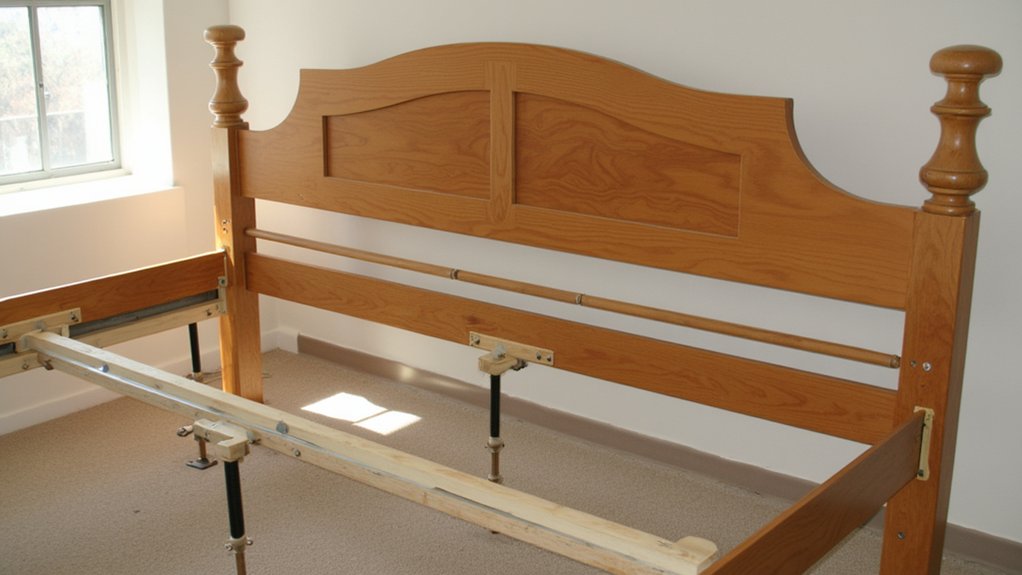
Your mattress can make up to 100 distinct noises during a single night of tossing and turning, according to sleep researchers at the University of California. When you shift position, the friction between components like loose bolts, dried-out wooden joints, or aging box springs creates those familiar squeaks and creaks. While some bed sounds are harmless, others signal potential structural issues that could affect your sleep quality and mattress longevity. Understanding the specific cause will help you determine whether you need a simple fix or a complete replacement.
Common Causes of Bed Squeaking and Creaking
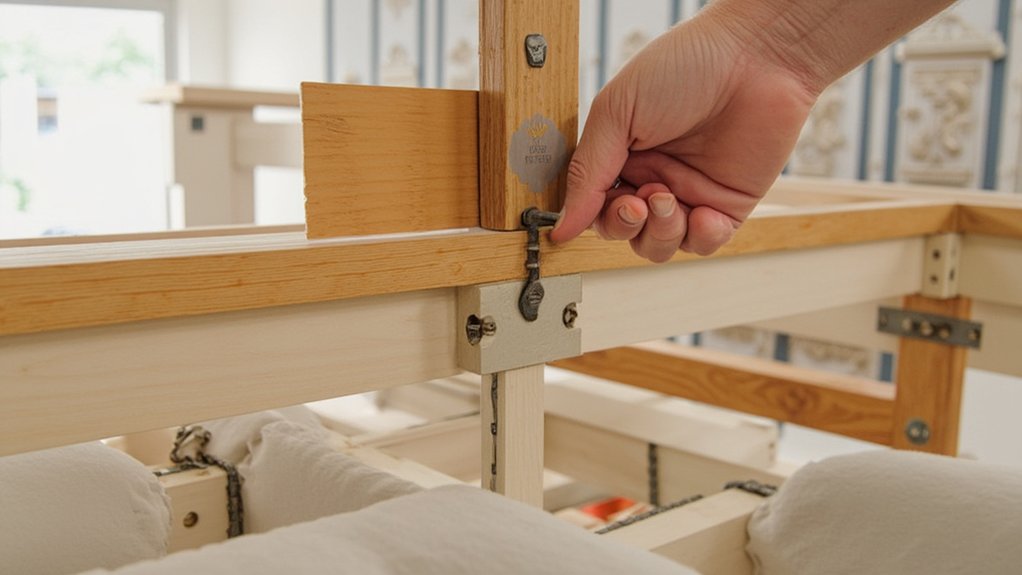
When your bed starts making noise, several common issues are typically to blame, from loose hardware to aging materials.
The most frequent culprits include:
- Metal bed frame materials that have developed loose joints or rusty connections
- Wooden frames that have dried out, causing joints to separate
- Box springs with worn-out coils or damaged support beams
- Different mattress types that have shifted out of proper alignment
- Foundation slats that have warped or become loose over time
According to sleep specialist Dr. Sarah Chen, “Most bed noises stem from friction between components that were once firmly connected.” You’ll often notice these sounds worsen in areas where parts meet, especially in:
- Frame corners
- Support leg connections
- Headboard attachment points
- Box spring perimeter joints
Identifying the Source of Bed Noises
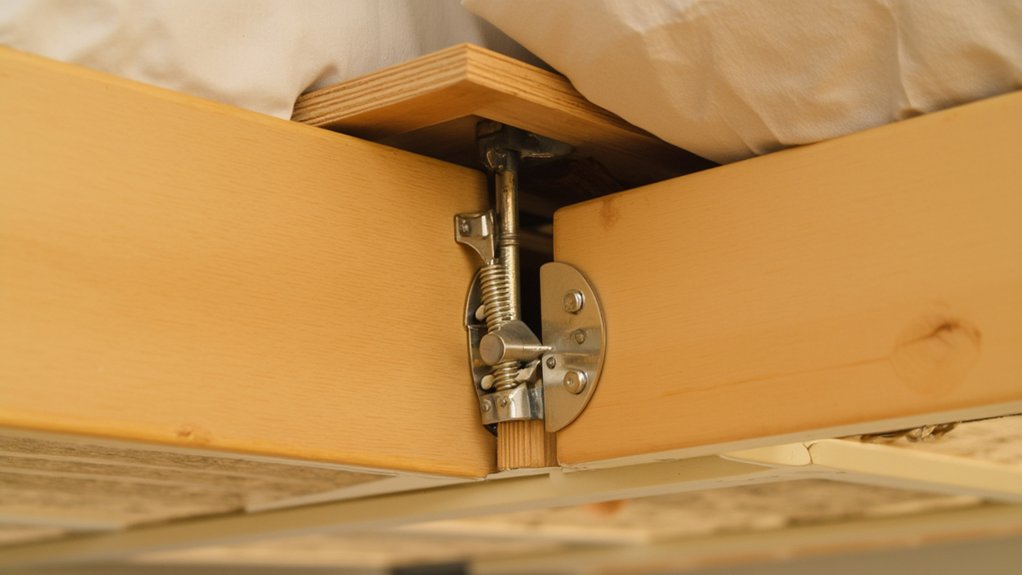
Finding the specific location of bed noises requires a systematic approach once you’ve identified the common problems. To pinpoint the source, follow these steps:
- Apply pressure to different areas of your mattress while listening for squeaks
- Rock each corner of the bed frame individually to isolate loose joints
- Test the box spring by pressing down in various spots
- Check where the mattress meets the bed frame
“Most creaking sounds originate from loose connections in the bed frame or declining mattress quality,” says sleep expert Dr. Sarah Chen. You’ll want to:
- Remove all bedding for a thorough inspection
- Have someone else move around while you listen
- Mark noisy spots with painter’s tape
- Test both the headboard and footboard connections
- Examine the center support beam
Quick Fixes for Squeaky Bed Components
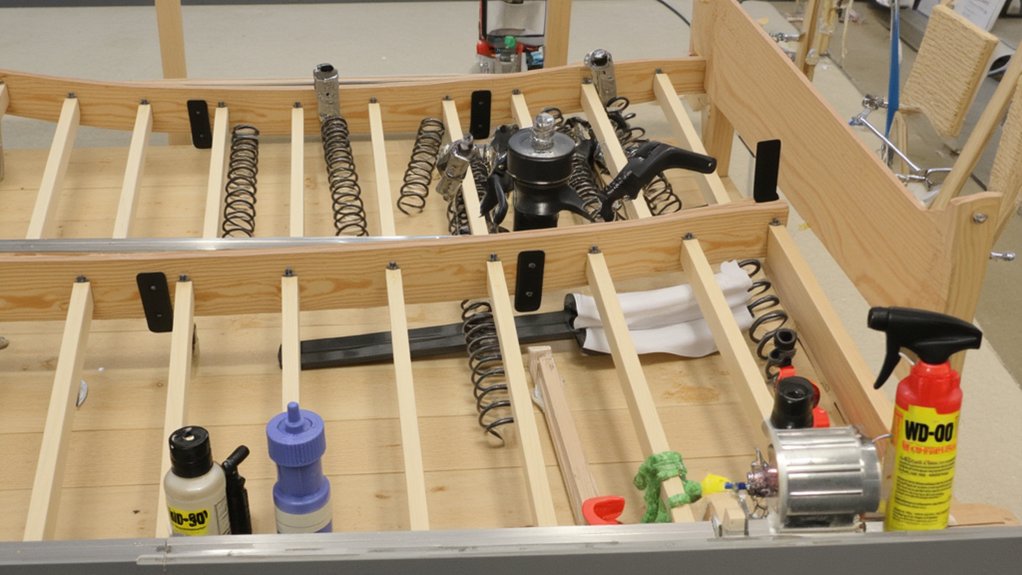
Several quick fixes can address squeaky bed components without requiring major repairs or replacements. You’ll want to start with basic lubrication techniques, applying WD-40 or paraffin wax to metal joints and connections.
For wooden bed frames:
- Tighten all visible screws and bolts
- Apply beeswax or candle wax to rubbing areas
- Place washers between squeaky joints
For mattress support issues:
- Check slats for proper spacing (2-3 inches apart)
- Insert small rubber grips between the mattress and frame
- Add center support legs if needed
“Most bed noises can be eliminated within 30 minutes using household items,” says furniture expert Mark Stevens. “Focus on connection points where movement occurs, and don’t overlook the box spring’s metal grid system.”
Preventive Maintenance Tips for Silent Sleep
To maintain a squeak-free bed long-term, you’ll need to establish regular maintenance habits that prevent noises before they start. Consider these essential bed maintenance practices:
- Tighten all hardware every 3-4 months using appropriate tools
- Rotate your mattress 180 degrees every 6 months
- Check wooden joints for signs of wear quarterly
- Apply lubricant to metal components twice yearly
“Prevention is the key to noise reduction in beds,” says furniture expert Mark Thompson. “Most creaks develop gradually due to loose connections and worn parts.”
You’ll also want to:
- Keep humidity levels between 30-50% to prevent wood warping
- Inspect bed slats for cracks or splits monthly
- Clean under the bed regularly to prevent debris buildup
- Replace worn washers and bolts immediately when discovered
When to Replace Noisy Bed Parts
While regular maintenance helps extend the life of your bed components, certain parts will inevitably need replacement as they wear out over time. “Even with perfect care, bed parts have a natural lifespan before they start causing noise problems,” explains furniture repair specialist Lisa Chen.
You’ll know it’s time for bed frame replacement when:
- Joints remain loose even after tightening
- Metal components show visible rust or warping
- Wood sections display cracks or splitting
- Squeaking persists despite lubrication
Perform a thorough mattress inspection every 6-8 months. “If your mattress sags more than 1.5 inches or makes consistent noise when bearing weight, it’s time for a replacement,” advises Chen. Don’t wait until parts completely fail – address noisy components promptly to prevent damage to other bed sections.
Frequently Asked Questions
Can Squeaky Beds Attract Pests or Rodents to My Bedroom?
You don’t need to worry about pest attraction – squeaky beds won’t draw rodents or increase rodent activity. The sounds from your bed aren’t similar to noises that attract pests.
Is It Normal for New Beds to Make Creaking Sounds?
You’ve just bought that fancy oak bed frame, but it’s squeaking already? While some initial noise is normal with new bed maintenance, excessive creaking often indicates loose joints or incompatible bed frame materials.
Does Room Temperature or Humidity Affect How Much My Bed Creaks?
Your bed’s creaking can worsen with temperature fluctuations and humidity levels. When wood expands or contracts due to these changes, it’ll create more friction between joints and components.
Can Bed Noises Indicate Dangerous Structural Problems in My House?
While a creaky bed usually isn’t linked to structural integrity, if you notice floor sagging or wall cracks along with bed noises, you should investigate potential foundation issues promptly.
Are Certain Mattress Types More Likely to Produce Squeaking Sounds?
Memory foam mattresses are least likely to squeak, while traditional box springs often create noise. Metal frames typically produce more squeaks than wooden beds, especially at connection points.
