
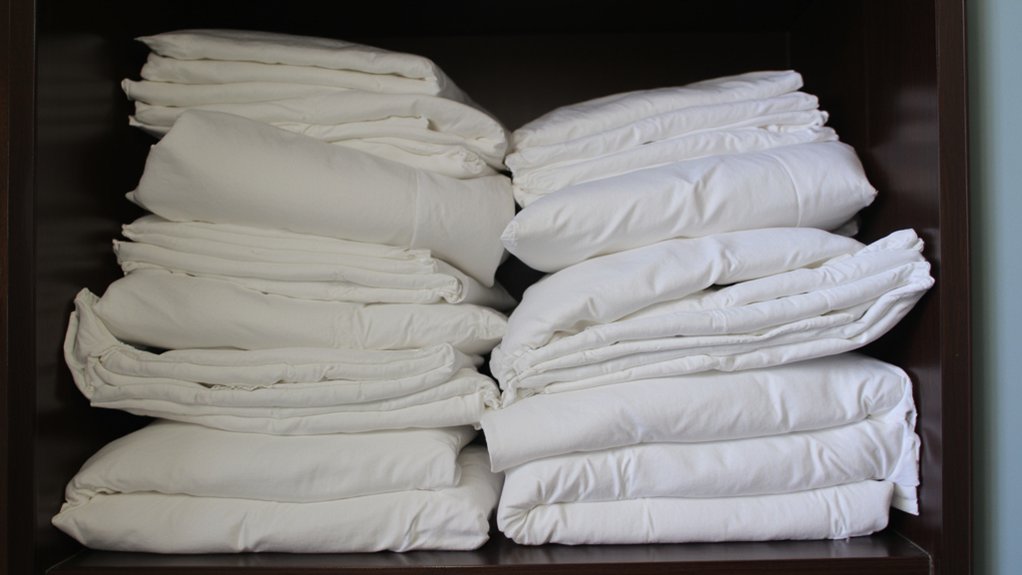
You’ve washed them, dried them, and stored them properly, yet your sheets still develop that unmistakable musty smell in the closet. Whether you’re dealing with cotton, linen, or synthetic fabrics, this common household frustration stems from several key factors that affect your bedding’s freshness. According to textile specialist Dr. Sarah Chen, “Even perfectly clean sheets can develop odors when stored improperly.” Understanding these causes will help you identify the specific issues in your storage space and implement the right solutions.
Common Causes of Musty-Smelling Stored Sheets
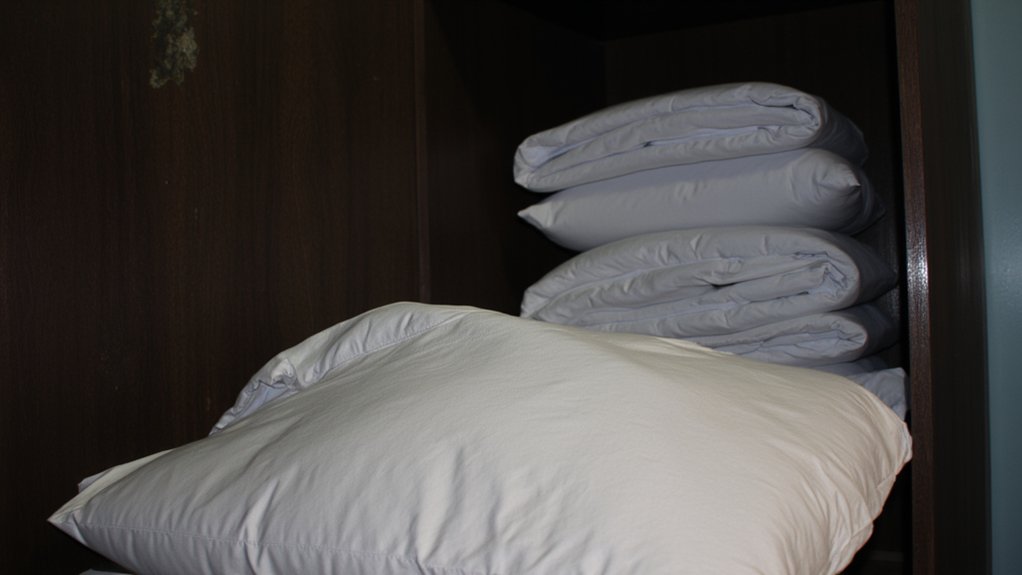
The musty smell that lingers on your stored sheets often stems from several common household conditions that create the perfect environment for mildew growth.
When you store sheets before they’re completely dry, damp fabric creates an ideal breeding ground for musty mold and bacteria. Even sheets that feel dry might retain microscopic moisture if they haven’t been thoroughly dried at high heat. Your storage location can worsen the problem – closets with poor ventilation trap humidity, especially in basements or against exterior walls.
Common causes include:
- Folding sheets while slightly damp
- Storing in plastic containers that trap moisture
- Poor air circulation in storage spaces
- High humidity levels (above 60%)
- Inadequate temperature control
- Contact with untreated wooden shelving
- Proximity to water sources or leaks
The Science Behind Linen Closet Odors
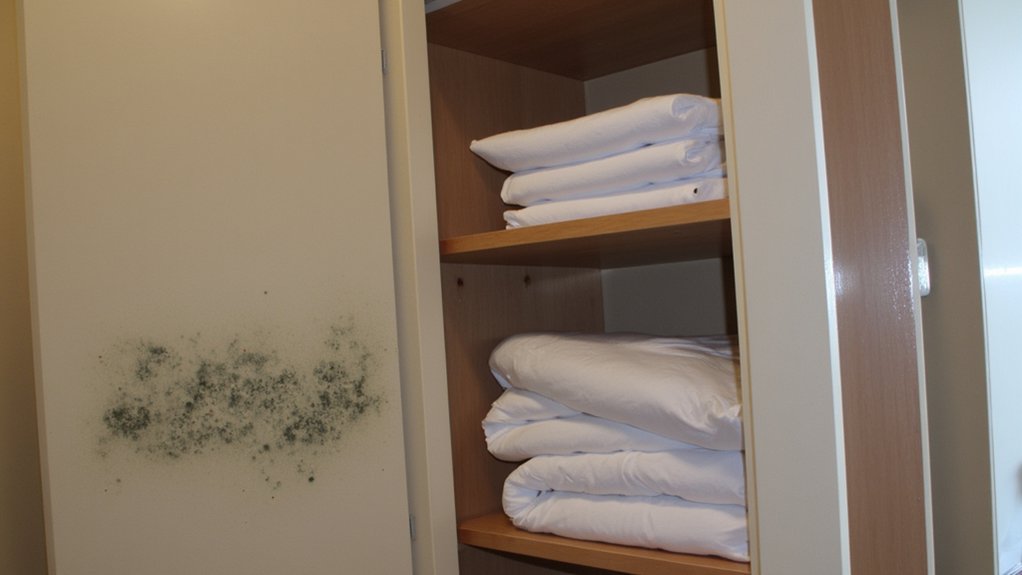
While unpleasant odors in your linen closet might seem mysterious, they’re actually the result of specific chemical reactions between bacteria, moisture, and organic materials.
When relative humidity rises above 60%, you’re creating ideal conditions for mold growth on your stored linens. Dr. Sarah Chen, textile scientist, explains: “Microscopic spores settle on fabric fibers and multiply rapidly in dark, damp environments.” These fungi break down organic materials, releasing volatile organic compounds (VOCs) that create that characteristic musty smell.
Proper humidity control is essential to prevent this process. Your linen closet should maintain 30-50% relative humidity. Installing a small dehumidifier or using moisture-absorbing products can help regulate these levels and protect your sheets from developing unwanted odors through microbial activity.
Ideal Storage Conditions for Fresh-Smelling Sheets
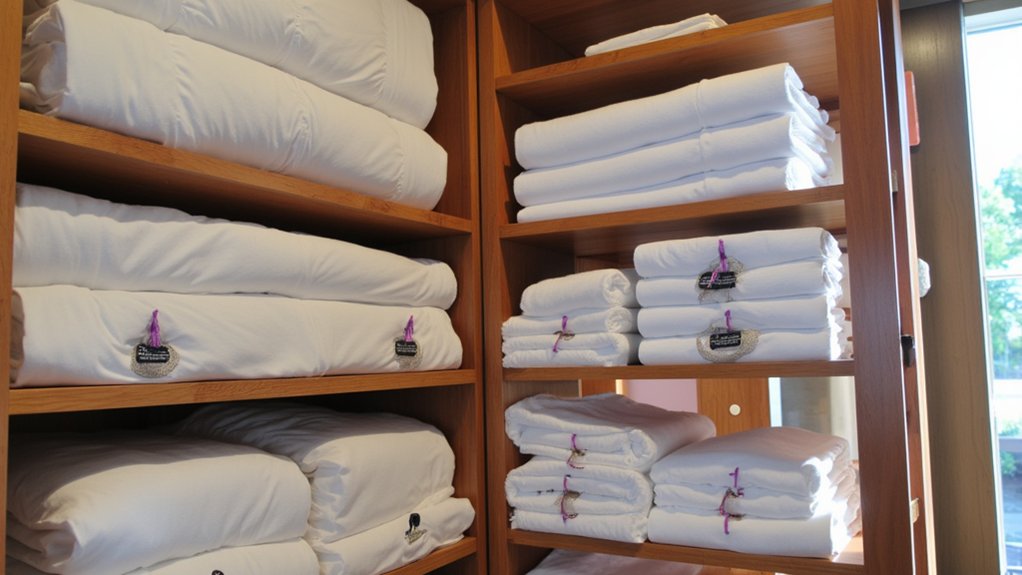
Maintaining ideal storage conditions requires careful attention to several key environmental factors that directly affect your sheets’ freshness.
Keep your linen closet at an ideal temperature between 60-75°F (15-24°C), and maintain humidity levels between 40-50%. You’ll want to:
- Install a small dehumidifier if your closet feels damp
- Use moisture-absorbing products like silica gel packets
- Guarantee proper ventilation with louvered doors or a small fan
- Store sheets on middle shelves where air circulates best
“Temperature and humidity control are essential for preventing musty odors and mildew growth in stored linens,” explains textile expert Dr. Sarah Chen. “When sheets are stored in spaces that are too warm or humid, you’re creating perfect conditions for bacteria to thrive.”
Natural Solutions for Preventing Sheet Odors
Beyond proper storage techniques, natural remedies offer powerful ways to keep your sheets smelling fresh without harsh chemicals.
Here’s how to use natural solutions effectively:
- Sprinkle 1/2 cup of baking soda between your folded sheets before storage to absorb unwanted odors and moisture
- Add 3-4 drops of essential oils like lavender, eucalyptus, or tea tree to a cotton ball and place it in your linen closet
- Create sachets using dried herbs (1/4 cup each of rosemary and lavender) wrapped in cotton fabric
“Baking soda is particularly effective because it neutralizes odors at a molecular level rather than just masking them,” explains textile expert Dr. Sarah Chen. You’ll want to replace your sachets every 3-4 months and refresh the baking soda application monthly for best results.
Best Practices for Storing Bedding
Proper storage plays a critical role in keeping your bedding fresh and extending its lifespan. To maintain fabric freshness, store your sheets in a cool, dry place with temperatures between 60-75°F and humidity levels under 50%.
Follow these bedding organization essentials:
- Use breathable cotton or canvas storage bags instead of plastic
- Place cedar blocks or lavender sachets between folded items
- Store sets together by tucking folded pillowcases inside one of the sheet corners
- Leave 2-3 inches of space between stacked items for airflow
- Label shelves or containers for easy identification
“Rotating your sheet sets every 3-4 months prevents musty odors and fabric degradation,” explains textile expert Sarah Martinez. Keep stored linens off the floor and away from direct sunlight to prevent yellowing and moisture buildup.
Signs Your Storage Space Needs Attention
Even when you’ve organized your storage space perfectly, certain warning signs can indicate that your bedding storage needs attention. Watch for these key indicators:
- Musty odors when opening closet doors
- Damp-feeling linens or cluttered shelves
- Visible condensation on walls
- Spots or discoloration on fabrics
- Humidity levels above 50% on your meter
“High moisture content in storage areas creates ideal conditions for mold growth and fabric deterioration,” explains textile conservator Sarah Matthews. You’ll want to check your storage space monthly for these issues, especially during seasonal changes when humidity fluctuates most.
If you notice any of these signs, immediately remove your bedding and assess the space. Consider installing a dehumidifier or moisture-absorbing products to maintain favorable storage conditions.
Long-Term Strategies for Odor-Free Linens
Maintaining fresh-smelling linens requires a consistent care routine that goes beyond occasional washing. You’ll need to implement proven deodorizing techniques and establish regular maintenance habits.
To preserve fabric freshness long-term:
- Store sheets in breathable cotton bags rather than plastic
- Place cedar blocks or lavender sachets between folded items
- Run a dehumidifier in your storage area to maintain 30-50% humidity
- Rotate linens every 3-4 months, even if unused
“The key to odor prevention is creating an environment that inhibits moisture and bacterial growth,” explains textile expert Sarah Chen. You should:
- Air out sheets for 20 minutes before storing
- Use vinegar in your rinse cycle monthly
- Clean storage areas quarterly with a mixture of baking soda and essential oils
- Leave closet doors slightly open for ventilation
Frequently Asked Questions
Can Colored Sheets Develop Different Types of Odors Than White Sheets?
You’ll notice different smells in colored sheets due to colorfastness effects and dye reactions. Chemical compounds in fabric dyes can release distinct odors, especially when exposed to moisture or temperature changes.
How Long Can Sheets Typically Stay Fresh-Smelling When Vacuum-Sealed?
You’ll maintain fresh-smelling sheets for 6-12 months with proper vacuum sealing techniques. However, the freshness duration depends on your storage conditions and how well you’ve cleaned them beforehand.
Do Bamboo or Eucalyptus Sheets Resist Odors Better Than Cotton Sheets?
Like ancient ninjas using natural camouflage, you’ll find bamboo properties and eucalyptus benefits help fight odors better than cotton. Both materials are naturally antimicrobial and moisture-wicking, keeping your sheets fresher longer.
Should Sheets Be Stored Separately From Other Types of Bedding?
You’ll want to store your sheets separately from other bedding organization items. Using breathable storage materials like cotton bags prevents moisture buildup and keeps your bedding fresh and easily accessible.
Can Dryer Sheets Be Left in Stored Linens to Maintain Freshness?
You’ve noticed your linens smell stale like Aunt Betty’s guest room. While dryer sheet effectiveness diminishes quickly, you shouldn’t leave them in stored linens as they can leave oily spots and discolor fabrics.
