
When faced with the seemingly uncooperative nature of concrete walls, you’ll want to know your options for successful mounting. “Most DIY enthusiasts underestimate the variety of reliable attachment methods available for concrete,” says contractor Mike Reynolds. You’re likely familiar with basic screws and nails, but modern adhesives and mechanical fasteners can handle everything from lightweight decor to heavy shelving units. Let’s explore the most effective solutions that’ll transform your concrete walls into versatile mounting surfaces.
Understanding Different Types of Concrete Surfaces
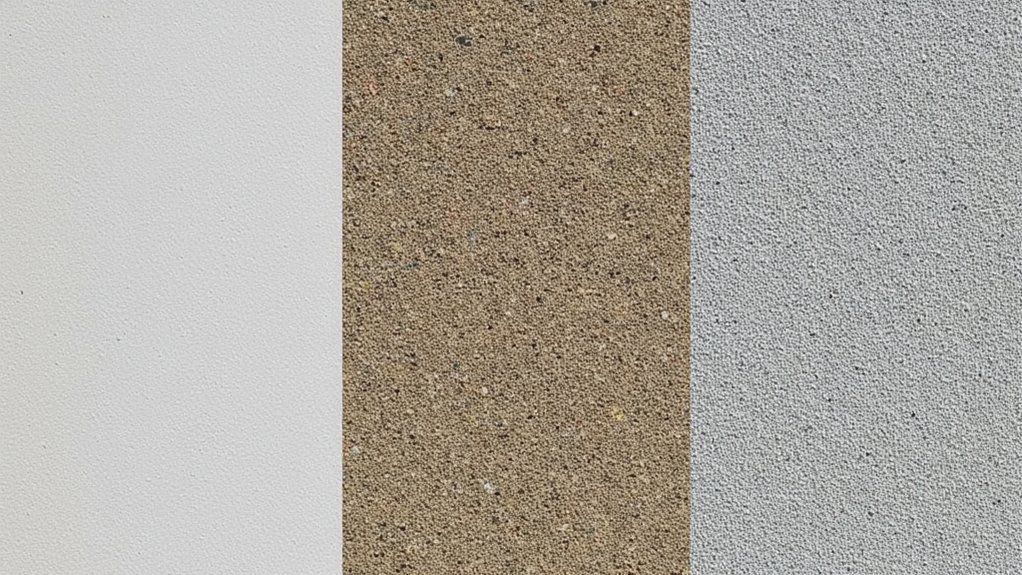
When you’re planning to attach items to concrete, it’s essential to understand that not all concrete surfaces are the same. You’ll encounter several common types:
- Smooth-finished concrete: Features a flat, polished surface ideal for adhesives and anchors
- Textured concrete: Has a rough, bumpy finish that may require specialized fasteners
- Painted concrete: Needs extra consideration since you’re adhering to the paint layer
- Sealed concrete: Features a protective coating that can affect adhesion
“Different concrete finishes require specific attachment methods,” says Tom Miller, a concrete specialist with 20 years of experience. “You’ll need to identify your surface type before selecting mounting hardware.”
To test your concrete’s surface, run your hand across it. If it’s powdery, it’s untreated. If it’s slick, it’s likely sealed or painted.
Best Adhesive Solutions for Concrete Walls
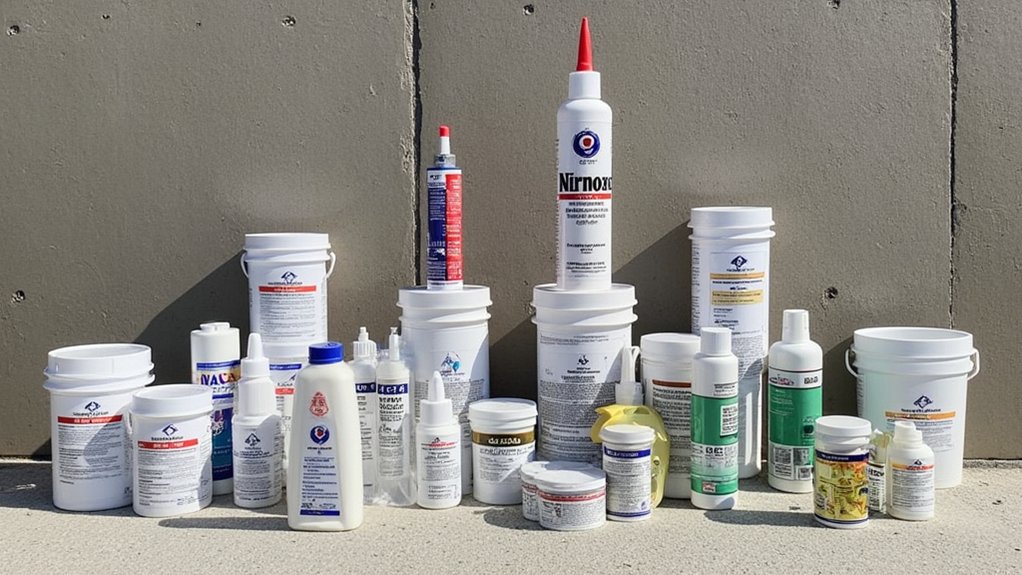
Although many adhesives claim to work on concrete, only specific products deliver reliable, long-lasting results for vertical surfaces. You’ll find the best results with these proven options:
Construction Adhesives:
- Polyurethane-based adhesives (like Loctite PL Premium)
- MS polymer adhesives
- Two-part epoxy systems
Masonry-Specific Products:
- Concrete bonding adhesive
- Construction cement
- Masonry anchoring adhesive
“For permanent installations, always choose adhesives specifically labeled for concrete and masonry use,” says Bob Vila, home improvement expert. When selecting your adhesive, consider:
- Weight of item being mounted
- Indoor vs. outdoor application
- Surface moisture levels
- Temperature conditions
For best results, verify your concrete surface is clean, dry, and free from loose particles before applying any adhesive solution.
Mechanical Fastening Methods and Tools
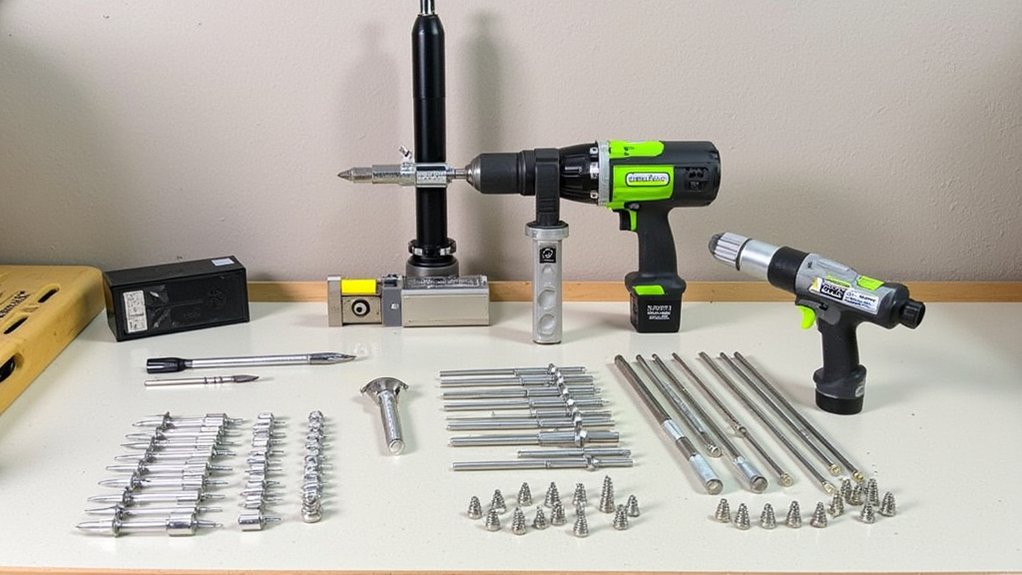
Several mechanical fastening methods provide reliable alternatives to adhesives when securing items to concrete walls. Here are your main options:
- Concrete screws: You’ll need to pre-drill pilot holes using a masonry bit that’s slightly smaller than your screws.
- Sleeve anchors: These expand inside the wall when you tighten them, ideal for heavy items like shelving units.
- Hammer-drive anchors: Simply drill a hole and tap these in with a hammer – perfect for lighter decor.
Essential Tools:
- Hammer drill
- Masonry bits (various sizes)
- Level
- Tape measure
- Safety glasses
“Always check your concrete wall’s condition before drilling,” says contractor Mike Reynolds. “Older walls may require testing in an inconspicuous spot first to prevent crumbling or damage.”
Weight Considerations and Load-Bearing Options
Before mounting anything on concrete walls, you’ll need to carefully consider both the weight of your items and the load capacity of your fasteners.
Load Capacity Guidelines:
- Light items (0-10 lbs): Adhesive hooks, plastic anchors
- Medium items (10-25 lbs): Standard concrete screws, sleeve anchors
- Heavy items (25-50 lbs): Wedge anchors, expansion bolts
- Extra heavy (50+ lbs): Multiple anchor points, structural brackets
“Always multiply your item’s weight by 1.5 when selecting anchors to guarantee a proper safety margin,” advises contractor Mike Stevens. For maximum security, you’ll want to:
- Check manufacturer specs for each anchor type
- Factor in wall condition and thickness
- Space anchor points at least 6 inches apart
- Consider dynamic loads for items that move or shift
Tips for Successful Wall Mounting on Concrete
When you’re ready to mount items on concrete walls, proper preparation and technique make all the difference in achieving secure, long-lasting results. “The key to successful concrete mounting lies in following precise steps and using the right tools for the job,” explains construction expert Sarah Chen.
Essential tips for success:
- Mark your mounting spots with a pencil and level
- Pre-drill holes 1/4 inch deeper than anchor length
- Clean holes thoroughly with a vacuum or brush
- Use the correct drill bit size for your anchor type
- Start drilling slowly to prevent surface chipping
“Always wear safety glasses and use a hammer drill with masonry bits,” advises Chen. “Test the stability of your mount by applying gentle pressure before hanging heavy items, and don’t skip the step of checking for electrical wires or plumbing behind your drilling spots.”
