
Like finding a pebble in your favorite slippers, scratchy sheets can turn your peaceful night’s sleep into hours of discomfort. You’ll find that transforming rough bedding into silky-smooth linens isn’t as challenging as you might think. “Most sheet issues stem from mineral buildup and improper washing techniques,” says textile expert Sarah Chen. With a few household ingredients and the right washing methods, you can restore your sheets’ softness – and there’s more than one effective approach to tackle this common bedding problem.
Why Sheets Become Scratchy Over Time
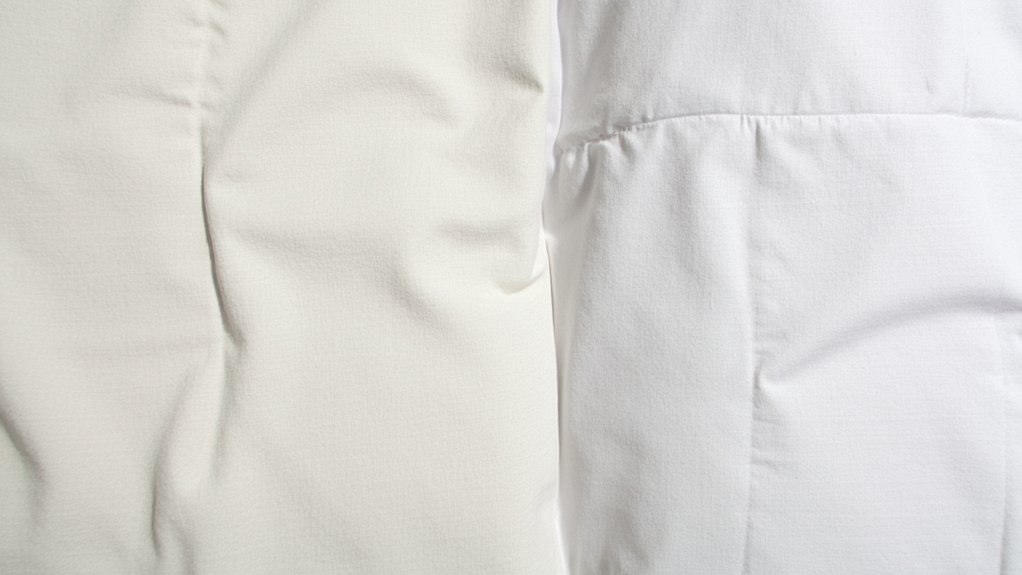
While brand new sheets often feel soft and smooth right out of the package, they can become scratchy and uncomfortable over time due to several common factors.
Your sheets’ texture changes primarily because of chemical treatments breaking down through washing and daily use. Hard water minerals build up in the fabric fibers, creating stiffness and friction. Additionally, high-heat drying can damage delicate fibers, making them feel coarse against your skin.
“The combination of detergent residue and mineral deposits creates a scratchy film on sheets,” explains textile expert Sarah Chen. “Over time, these deposits accumulate and bind to fabric fibers, compromising their original softness.”
The Baking Soda Method
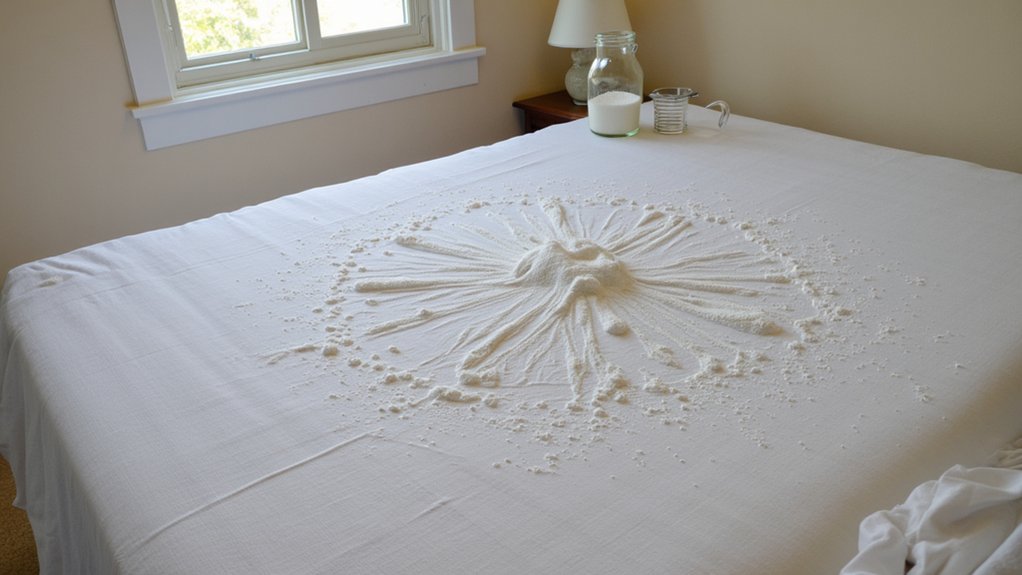
Baking soda offers a natural, effective way to restore softness to scratchy sheets through its gentle mineral-dissolving properties.
To use this method:
- Fill your washing machine with warm water
- Add 1 cup of baking soda
- Place sheets in the machine
- Let them soak for 8 hours or overnight
- Run a normal wash cycle
“Baking soda acts as a natural laundry booster by breaking down mineral buildup and neutralizing harsh detergent residues,” explains textile expert Sarah Chen. For best results, repeat this process monthly to maintain your sheets’ softness and prevent scratchy buildup from returning.
Pro tip: Don’t add detergent during this treatment – the baking soda works best alone.
Using White Vinegar for Softness
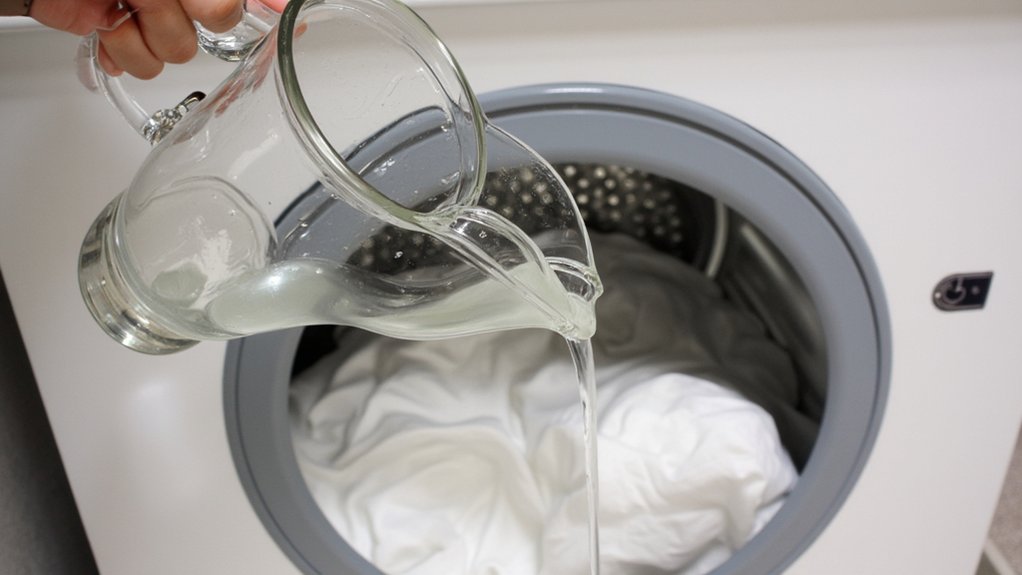
Another natural softening powerhouse, white vinegar works alongside or instead of baking soda to transform rough sheets into silky-smooth bedding. “Vinegar’s acetic acid helps dissolve mineral deposits and soap residue that make sheets feel stiff and scratchy,” says laundry expert Maria Torres.
To harness vinegar’s fabric softening benefits:
- Add 1 cup of white vinegar to your washer’s rinse cycle
- Run a normal wash with hot water
- Dry sheets as usual – the vinegar smell disappears completely
For extra-stubborn stiffness, pre-soak sheets in a mixture of warm water and 1 cup vinegar for 1 hour before washing.
Hot Water Washing Technique
Hot water washing stands as one of the most effective ways to break down the rigid fibers in scratchy sheets. “Heat relaxes cotton and synthetic fabrics at the molecular level, helping to soften even the most stubborn new sheets,” explains textile specialist Dr. Sarah Chen.
To maximize softening:
- Set your washing machine to the hottest water temperature (130-140°F)
- Choose a normal washing cycle
- Wash sheets separately from other laundry
- Allow a full 45-minute cycle to complete
For best results, you’ll want to repeat this process 2-3 times before first use. Remember to check your sheet’s care label to verify they can withstand high temperatures.
Natural Fabric Softener Alternatives
Three proven natural alternatives can effectively replace commercial fabric softeners when treating scratchy sheets:
- White vinegar: Add 1 cup to your washer’s rinse cycle to break down mineral deposits and soften fibers.
- Baking soda: Mix ½ cup into your regular wash cycle instead of laundry pods. “Baking soda naturally balances pH levels while softening water,” explains textile expert Sarah Chen.
- Essential oils: Add 15-20 drops of lavender or chamomile to wool dryer balls. “Natural oils penetrate fibers during the drying cycle, creating lasting softness without chemical residue,” notes laundry specialist Mark Thompson.
For best results, combine these methods over 2-3 wash cycles.
Air-Drying vs. Machine Drying
While natural softening methods can improve your sheets’ texture, the drying technique you choose plays a significant role in their final feel.
Air drying benefits include gentler treatment of fibers and a fresh outdoor scent, but you’ll need to shake sheets vigorously before hanging to prevent stiffness. Hang them in direct sunlight for best results.
Machine drying offers convenience but comes with disadvantages. High heat can damage fibers and create static, leading to increased scratchiness. If you must machine dry, use medium heat and remove sheets while slightly damp. Add wool dryer balls to help soften the fabric naturally during the cycle.
Salt Treatment for Stubborn Stiffness
For sheets that remain stubbornly scratchy, a salt treatment can help break down the rigid fibers and residual detergent buildup.
Here’s how to perform the treatment:
- Fill your washing machine with warm water
- Add 1 cup of plain table salt
- Place sheets in the machine
- Run a normal cycle without detergent
“The salt properties work with the fabric chemistry to naturally soften fibers,” explains textile expert Sarah Chen. “You’ll notice the difference after just one treatment.”
For best results, you can repeat this process weekly until you achieve your desired softness. Don’t worry about salt residue – it dissolves completely during the rinse cycle.
Proper Storage and Maintenance
Once you’ve softened your sheets through proper washing techniques, storing them correctly helps maintain that coveted smooth texture. Keep your sheets in a cool, dry closet away from direct sunlight to prevent fabric breakdown.
Essential storage tips include:
- Use breathable cotton storage bags instead of plastic
- Don’t compress sheets too tightly
- Store sets together with their matching pillowcases
Your maintenance routines should include:
- Rotating sheet sets weekly
- Keeping 2-3 sets in circulation
- Checking for signs of wear every 3 months
- Laundering before storage, even if they’re clean
“Proper storage prevents moisture buildup that can lead to fabric deterioration,” explains textile expert Sarah Chen.
Breaking In New Sheet Sets
Just as a new pair of jeans needs breaking in, fresh sheets straight from the package require a bit of patience before reaching peak comfort. Different fabric types demand specific new sheet care approaches:
- Cotton sheets: Wash 3-4 times in cool water before first use
- Linen sheets: Expect 3-5 wash cycles for ideal softness
- Microfiber: One gentle wash is usually sufficient
“The break-in period varies by material composition,” says textile expert Sarah Chen. “Natural fibers typically need more washing cycles than synthetics to reach their full softness potential.” You’ll notice your sheets becoming increasingly comfortable with each proper wash and dry cycle.
Professional Laundering Tips and Tricks
Professional laundry experts have developed specific techniques to maximize sheet softness through proper washing methods. “The real secret lies in temperature control and detergent selection,” explains Linda Martinez, head of housekeeping at the Four Seasons Hotel.
When it comes to professional laundering, you’ll want to:
- Use warm water (105°F) instead of hot
- Select a mild, liquid detergent
- Add 1/2 cup of white vinegar during the rinse cycle
- Avoid fabric softeners that can trap residue
For ideal fabric care, Martinez recommends:
- Washing sheets separately from other items
- Never overloading the machine
- Using the “delicate” or “sheets” setting when available
Frequently Asked Questions
Can Scratchy Sheets Cause Skin Irritation or Rashes?
You bet your bottom dollar scratchy sheets can harm your skin! When rough sheet materials rub against your skin sensitivity, they’ll cause redness, itching, and uncomfortable rashes.
How Often Should I Replace My Sheets Regardless of Their Condition?
You should replace your sheets every 2-3 years to maintain proper sheet longevity, even with good fabric care. If you’re using them daily, consider replacing them more frequently.
Does Thread Count Affect How Quickly Sheets Become Scratchy?
While 50% of thread count claims are misleading, it’s not the main factor in scratchiness. You’ll find lower-quality sheets get scratchy faster regardless of count, but proper softening techniques matter more than numbers.
Are Certain Fabric Materials More Prone to Becoming Scratchy Than Others?
You’ll find synthetic fabrics become scratchy faster than natural ones. While cotton benefits from its natural softness, linen’s durability means it softens over time despite initial roughness.
Will Using Bleach Make My Sheets More Scratchy Over Time?
Studies show bleach breaks down fabric fibers by up to 50% per wash. You’ll damage your sheets using bleach regularly. For better sheet care, try gentler bleach alternatives like vinegar or oxygen-based cleaners.
