
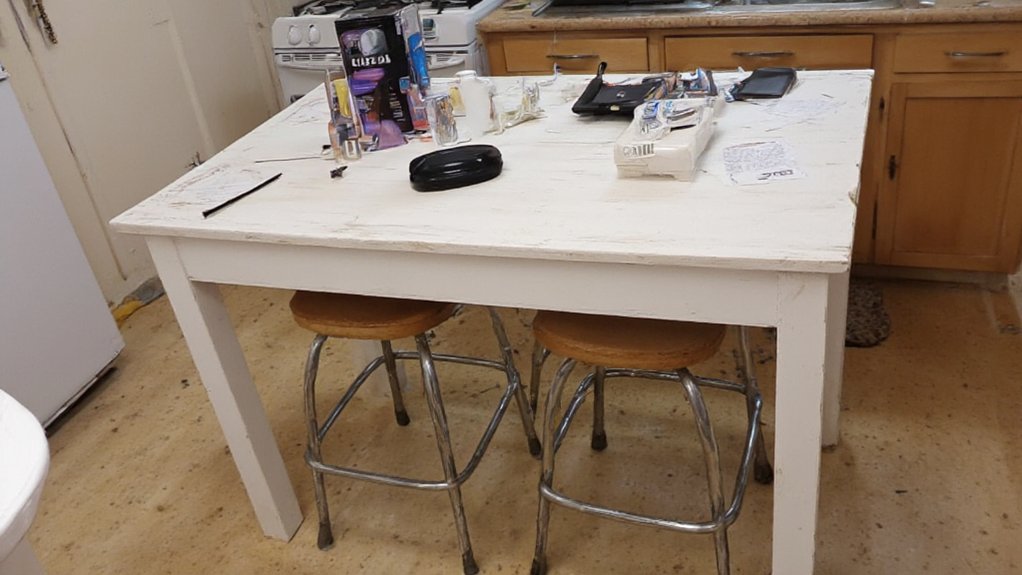
Ever wonder if your kitchen could be the heart of your home with just a little DIY magic? Hey, I’m thrilled to help you craft a cheap kitchen island that’s both stylish and functional! Envision this: a custom island for under $100, sized just right at 36 inches wide for your space. Let’s start by measuring your kitchen—grab that tape measure! Trust me, I’ve mismeasured before, and it’s a headache! Ready for the next step?
Before You Start
Before you plunge into building your cheap kitchen island, let’s hit pause and chat about a few must-dos! I’ve botched projects before—trust me, planning saves headaches!
First, measure your kitchen space. Grab a tape measure and check for at least 36 inches of clearance around where your island will sit. No cramped disasters!
Next, think about your purpose. Will it be for prep or storage? Jot down your needs—don’t skip this!
Lastly, set a budget. I once overspent on a whim—yikes! Keep it under $100 if you can. Let’s avoid my messes, okay?
What You Will Need
Hey, let’s plunge into the essentials for building your cheap kitchen island! I’ve had my share of DIY flops, so trust me, having the right stuff is key! Start gathering your gear now.
Here’s what you’ll need:
- Base Material: Grab a sturdy old dresser or cabinet, about 36 inches tall and 24 inches deep, from a thrift store for under $20. Sand it down!
- Countertop: Get a butcher block or laminate sheet, 48×25 inches, from a hardware store. Cheap and chic!
- Tools: You’ll need a drill, screws, and sandpaper. Don’t skip these—yikes, I’ve learned the hard way!
Step-by-Step Guide
Hey there, let’s get rolling on building your cheap kitchen island—I’m pumped to help you out! First off, grab all your tools like a hammer, screwdriver, and measuring tape, then measure your kitchen space super carefully to make sure everything fits just right. Oh man, I’ve messed up measurements before and had to start over, so double-check, okay?!
1. Gather Necessary Tools
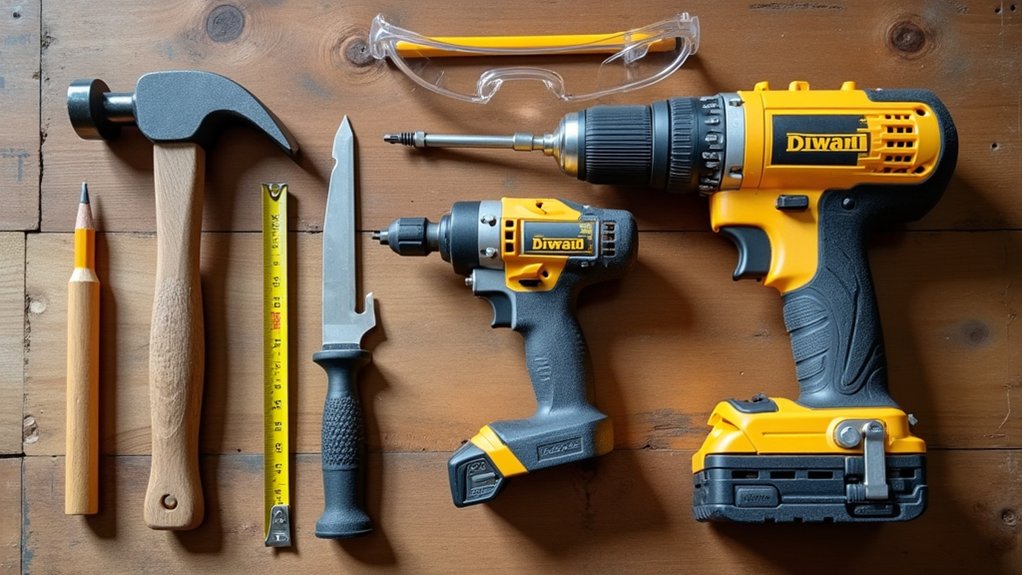
While diving into this kitchen island project, let’s kick things off by gathering all the tools we’ll need to make this DIY dream a reality! I’ve messed up before by forgetting stuff, so trust me, don’t skip this!
First, grab these basics: a hammer, screwdriver set (Phillips and flathead), and a power drill with a ¼-inch bit. You’ll also need:
- A tape measure (16-foot minimum)
- A carpenter’s square for straight edges
- Safety goggles—don’t risk it!
I once skipped goggles and got sawdust in my eye. Ouch! Keep a pencil handy for marking, too. Let’s build this thing right!
2. Measure Your Space Accurately
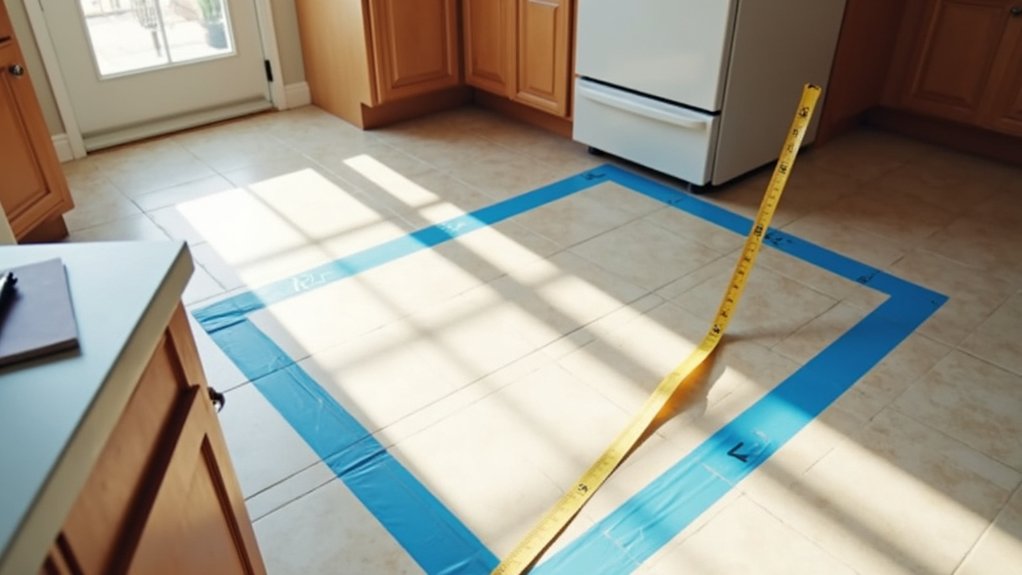
Alright, let’s plunge into measuring your space for this cheap kitchen island—it’s gotta fit just right! I’ve botched this before, trust me, and ended up with an island that blocked my fridge—ugh!
First, grab your tape measure. Check the length and width of your kitchen area. Aim for at least 36 inches of clearance around the island so you don’t trip (yep, been there!).
Next, note these steps:
- Measure floor space twice—mistakes happen!
- Mark spots for cabinets or appliances.
- Jot down numbers—I use sticky notes!
Double-check, or you’re stuck with a wonky setup!
3. Choose Budget-Friendly Materials
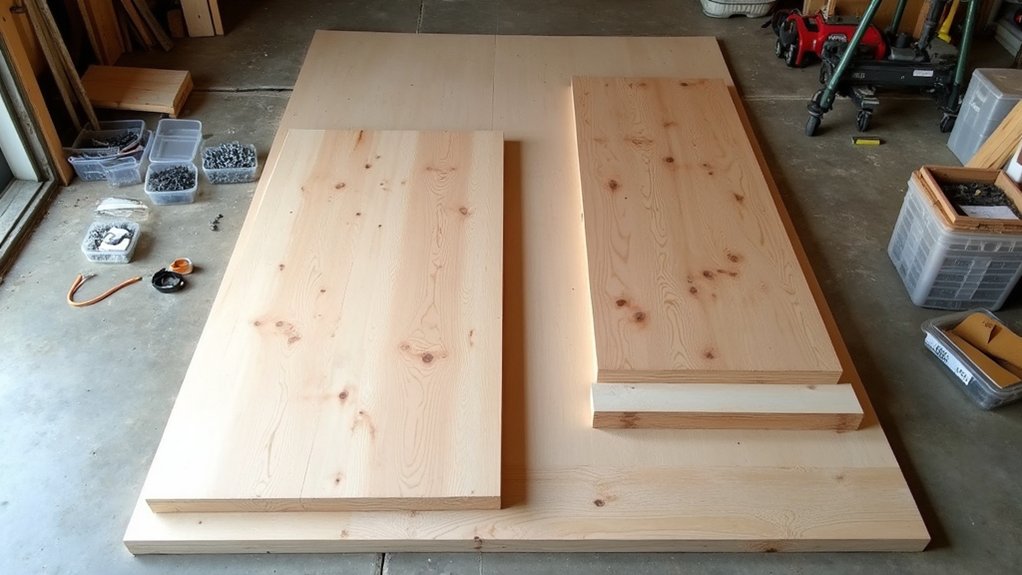
Since we’ve got our measurements locked in, let’s plunge into picking budget-friendly materials for your kitchen island—I’m so pumped to save some cash here! Man, I’ve botched pricey projects before, so let’s keep it cheap and cool!
Top Picks for Materials: Go for plywood—3/4 inch thick—for the main frame; it’s only about $30 a sheet at most hardware stores. Pair it with pine boards, like 1x4s, for trim at $2 a foot.
Surface Savvy: Grab a butcher block countertop from discount stores for under $100. Trust me, it’s durable and forgiving if you goof up!
4. Assemble Base Structure
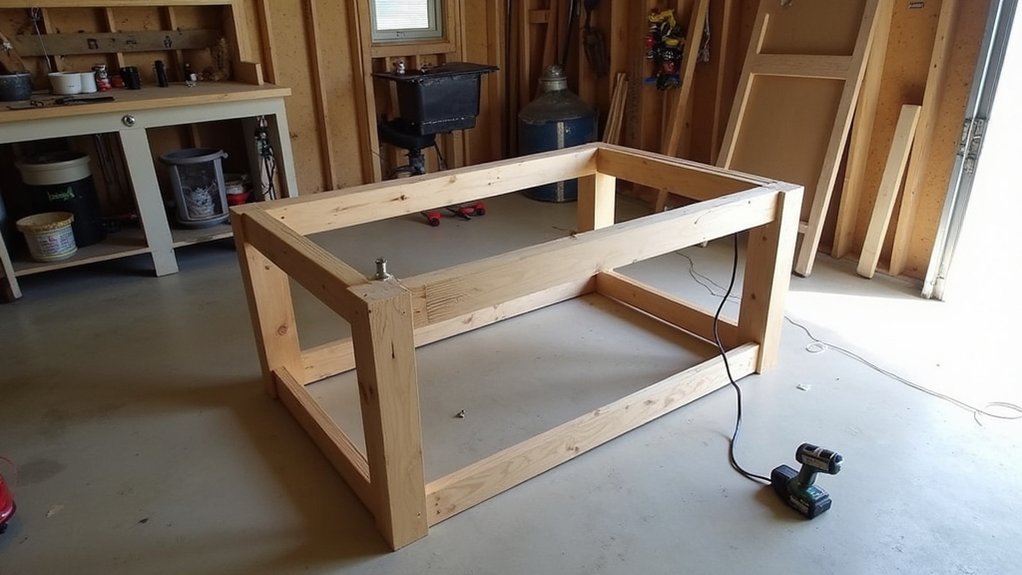
Hey there, let’s get moving now that we’ve picked out those wallet-friendly materials, and start building the base of your kitchen island! I’m pumped to see this come together, and I know you are too!
First, grab your 2×4 lumber—cut four pieces to 34 inches for height. Use a power drill and 3-inch wood screws to form a rectangular frame, 48 inches long by 24 inches wide. Man, I’ve totally misaligned screws before, so double-check!
Next, add cross braces at 12-inch intervals. Secure ‘em tight! This base gotta be sturdy for all your kitchen adventures—let’s do this right!
5. Attach Countertop Securely
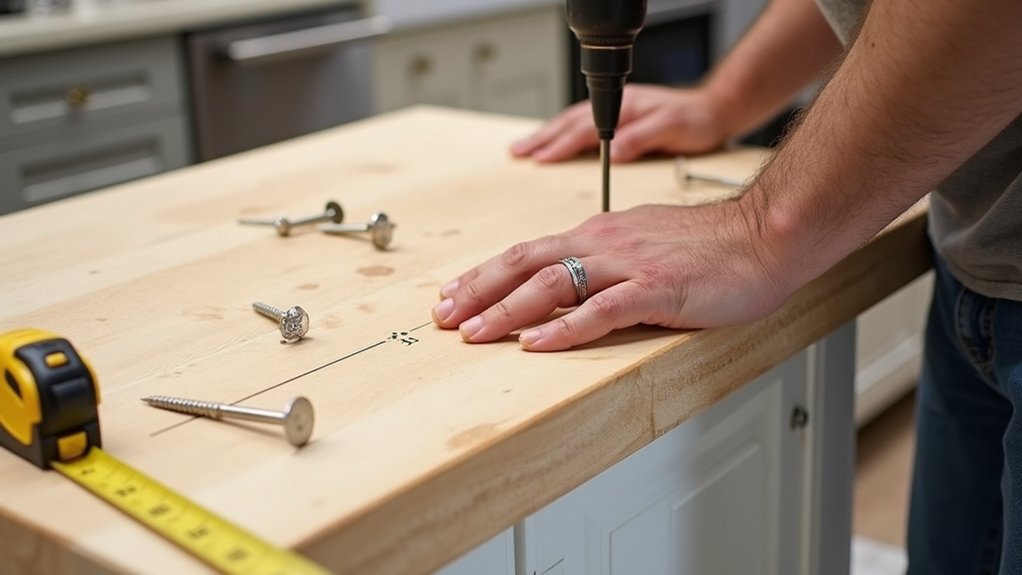
After getting that base structure nice and sturdy, it’s time to crown your kitchen island with a solid countertop! I’m thrilled to see it come together, and I bet you are too!
First, measure your countertop—mine’s a 48”x24” butcher block from a discount store. Lay it on the base and check the fit. Any overhang? That’s fine, just keep it even!
Now, secure it:
- Drill pilot holes through the base top (¾” bit works).
- Use 2” wood screws to fasten tight.
I once skipped pilot holes—disaster! Don’t make my mistake. Tighten ‘em up and celebrate! Wow, it’s looking awesome!
6. Install Storage Shelves
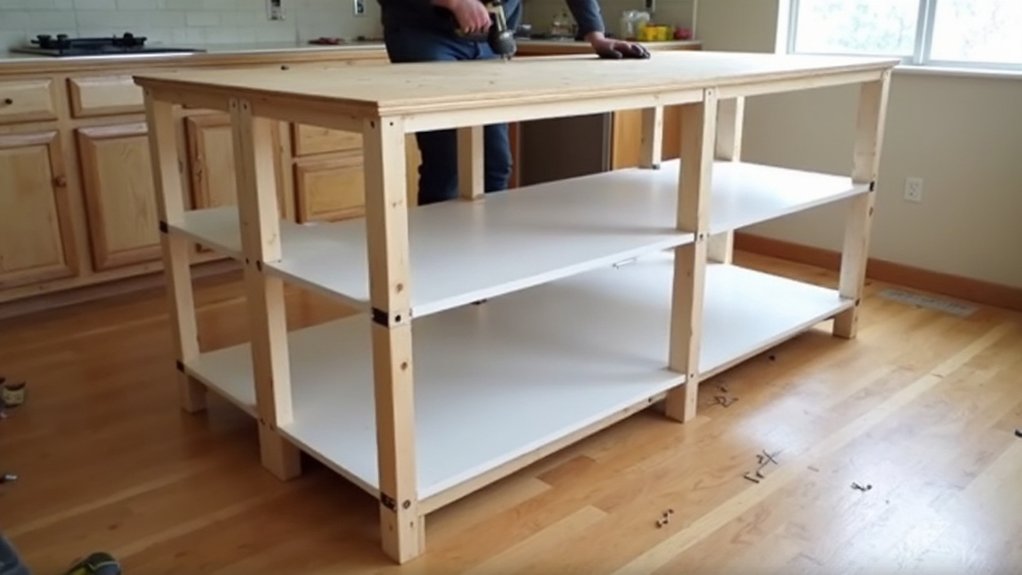
While your kitchen island is already shaping up, let’s boost its functionality by adding storage shelves underneath! I’ve tripped over pots enough—let’s fix this!
First, grab your supplies. You’ll need:
- Two 24”x12” wooden shelves (pre-cut at hardware stores)
- Four L-brackets
- Screws and a drill
Measure 10 inches from the base on each island leg, marking with a pencil. Attach L-brackets at these spots, securing with screws—don’t overtighten, or you’ll split the wood like I did once! Lay shelves on brackets, drill them in, and bam! Extra storage for pans. Isn’t that a relief?
7. Paint Island Vibrantly
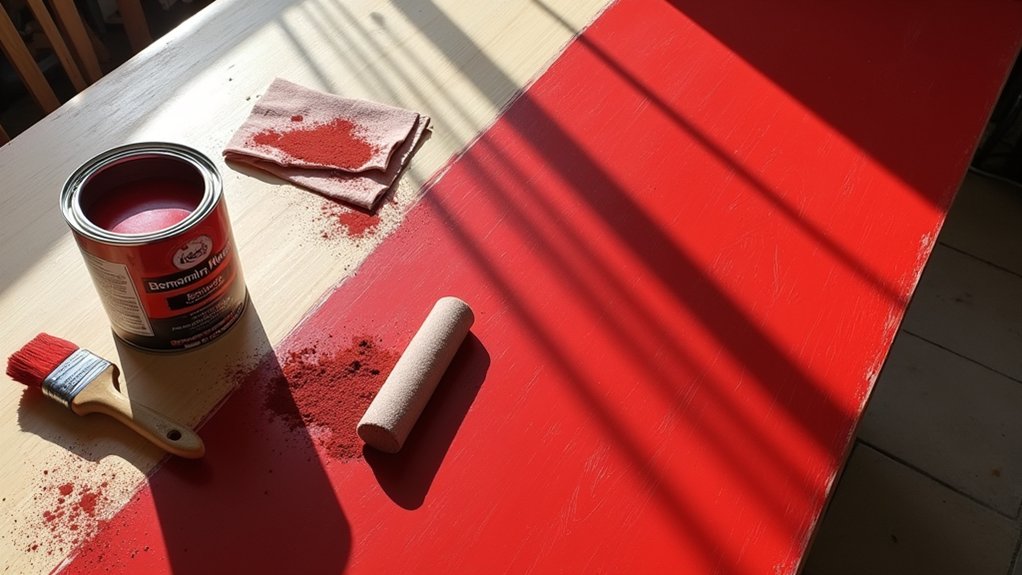
Three cheers for a kitchen island that’s almost done, but let’s make it pop with some color! I’m so excited to see this baby shine! Painting’s the fun part, right?
First, prep your island. Sand it lightly with 120-grit sandpaper to help paint stick—trust me, I skipped this once and regretted it! Clean off dust with a damp cloth.
Now, grab a vibrant paint like Benjamin Moore’s “Caliente” red. Use a 2-inch brush for edges and a small roller for flat areas. Apply two coats, drying 4 hours between. Wow, look at that color pop!
8. Add Locking Wheels
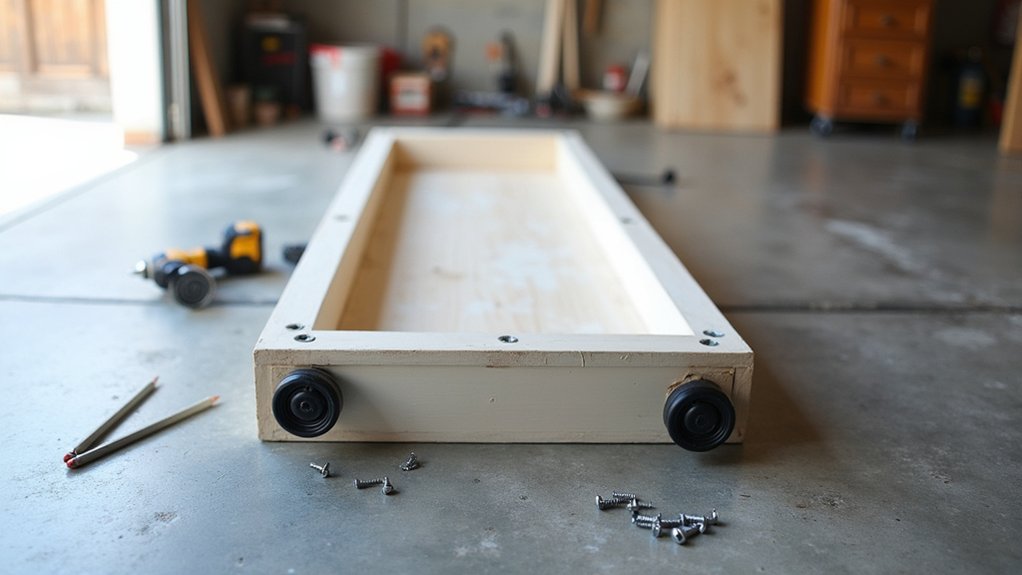
Before we call this kitchen island a wrap, let’s roll into the final touch by adding locking wheels! I’m pumped to make this island mobile—nothing’s cooler than rolling it around!
First, grab four locking casters (2-inch heavy-duty ones from a hardware store, about $5 each). Flip your island upside down—careful, don’t scratch that paint!
Now, here’s the drill (haha, pun intended!):
- Mark spots 2 inches from each corner.
- Screw casters in with 1-inch screws—tighten ‘em good!
- Test the roll. If it wobbles, reTighten. Man, I’ve tipped stuff over before—don’t be me! Roll on!
9. Seal Surface Thoroughly
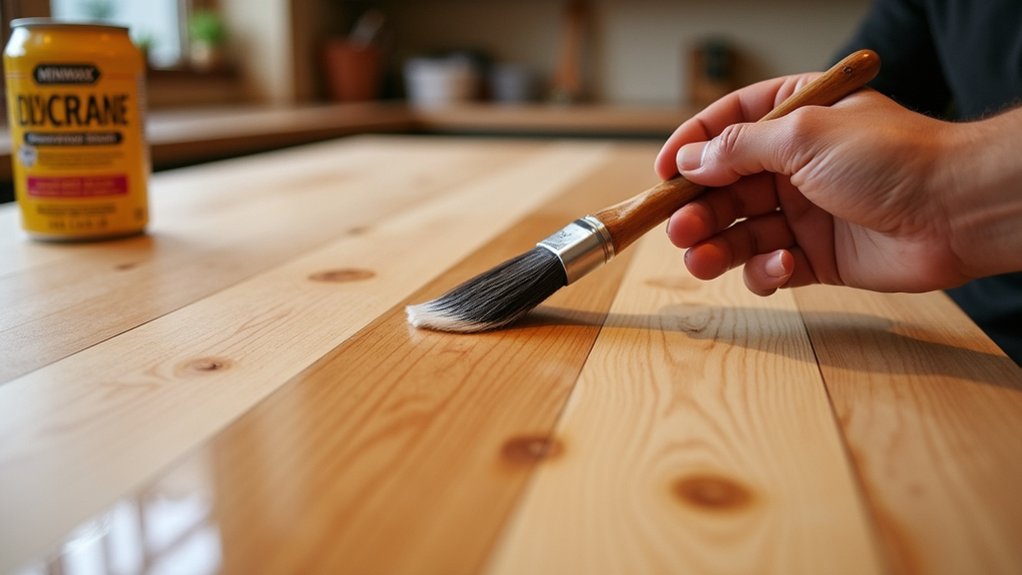
Dive right into protecting that kitchen island by sealing the surface thoroughly! Man, I’ve spilled coffee on unsealed wood before—disaster! Let’s avoid that mess together.
Start with a food-safe sealant, like Minwax Polycrylic (about $15 at hardware stores). Grab a 2-inch brush and apply a thin, even coat over the entire top, roughly 3 feet by 2 feet. Watch for drips!
After drying for 2 hours, sand lightly with 220-grit sandpaper. Then, add a second coat—trust me, it’s worth it! Seeing that shiny, protected surface is pure joy. Wow, we’re almost pros now!
10. Inspect Final Stability
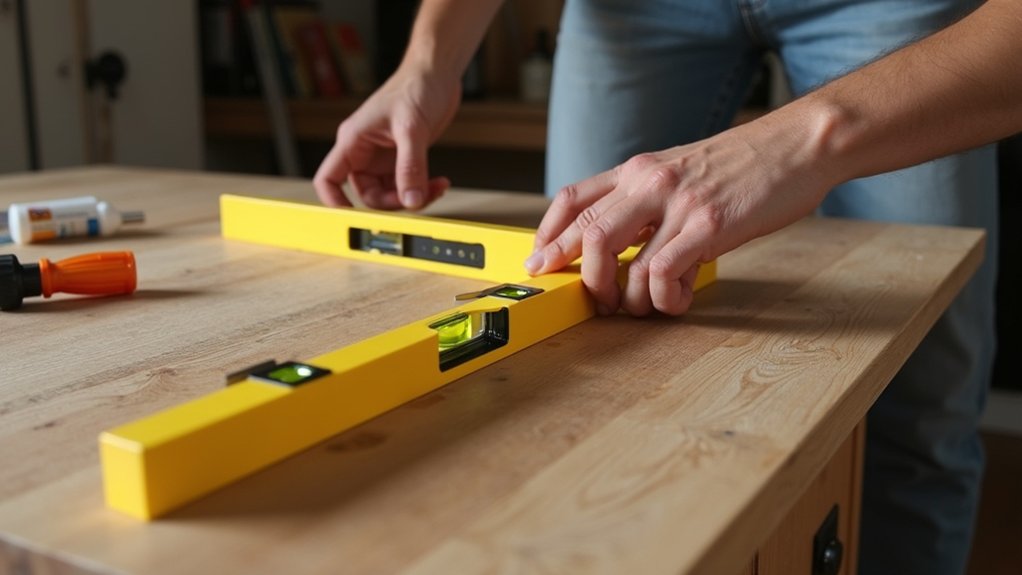
While we’re on the final stretch, let’s make sure this kitchen island isn’t wobbling like my first DIY shelf—yep, that thing collapsed mid-dinner party! I’ve been there, and it’s no fun. So, grab your level and screwdriver; we’re checking stability!
First, test the island’s balance. Place your level on top—does it sit flat? If not, tighten screws on the legs until it’s steady.
Next, push it from all sides. Any shakes? Add wood glue to loose joints. Measure corner-to-corner (should be equal, like 36 inches). Trust me, a stable island saves dinners! Wow, we’re done!
