
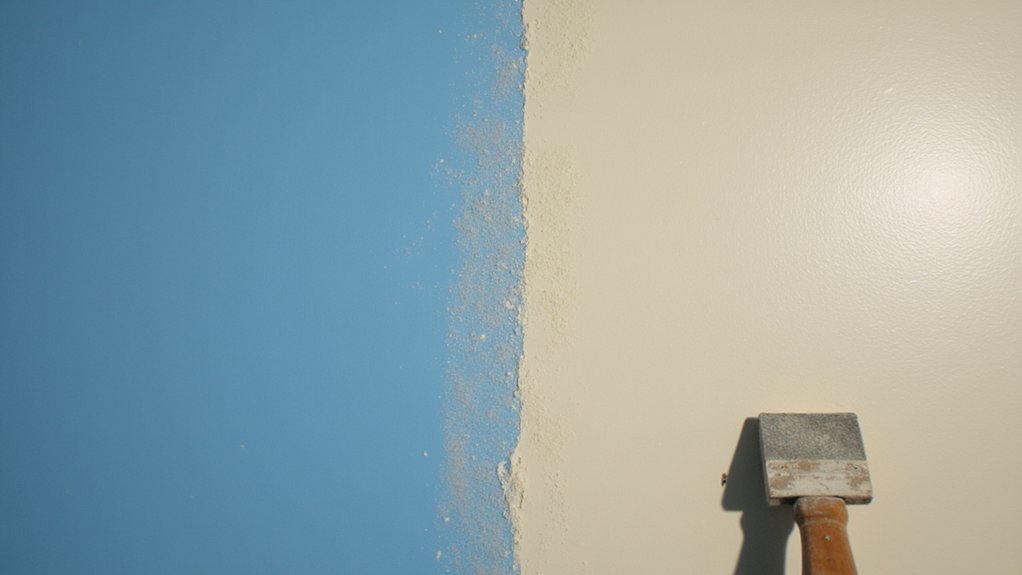
When you’re facing a painting project, deciding whether to prime can make or break your results. Professional painter Mark Johnson notes that “skipping primer when it’s needed is like building a house without a foundation.” While you won’t always need to prime over existing paint, specific conditions demand this vital step – from dark walls going light to surfaces with water stains. Let’s explore when priming is essential and when you can safely skip this step.
When Priming Over Existing Paint Is Essential
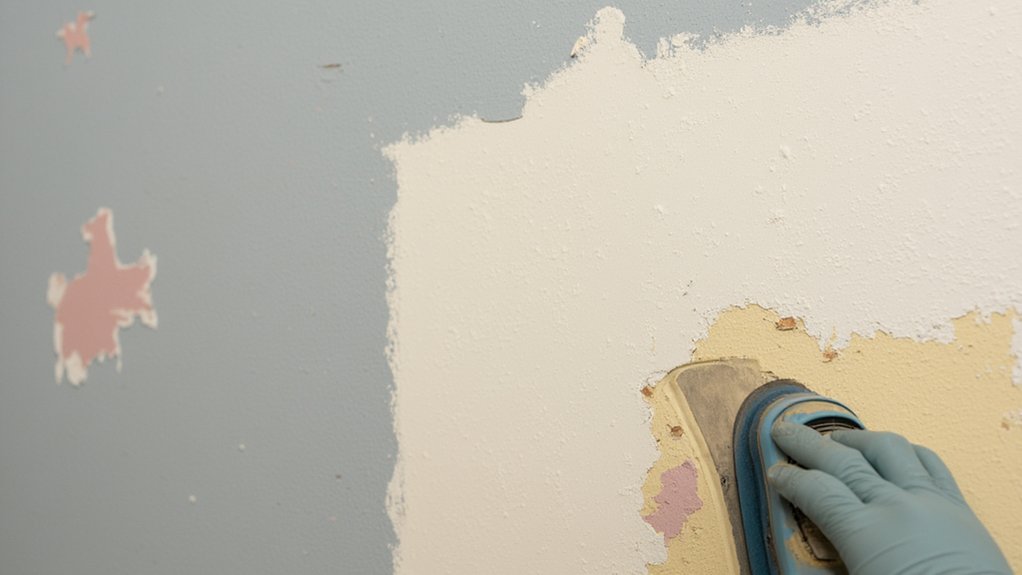
While painting over existing paint can sometimes work directly, certain situations absolutely require priming first.
You’ll need to prime in these essential scenarios:
- When covering dark colors with lighter ones
- If there’s significant surface damage or repairs
- When the existing paint is glossy or oil-based
- If the walls show water stains or smoke damage
- When the current paint is peeling or chalking
“A quality primer creates the foundation for lasting paint adhesion,” says Jeff Miller, a professional painter with 20 years of experience. “Don’t skip this step when dealing with problematic surfaces.”
The type of primer matters too. Use:
- Oil-based primer for water stains
- Stain-blocking primer for smoke damage
- Bonding primer for glossy surfaces
- High-build primer for patched areas
Apply one even coat and let it dry for 24 hours before painting.
Signs Your Painted Walls Need a Primer Coat
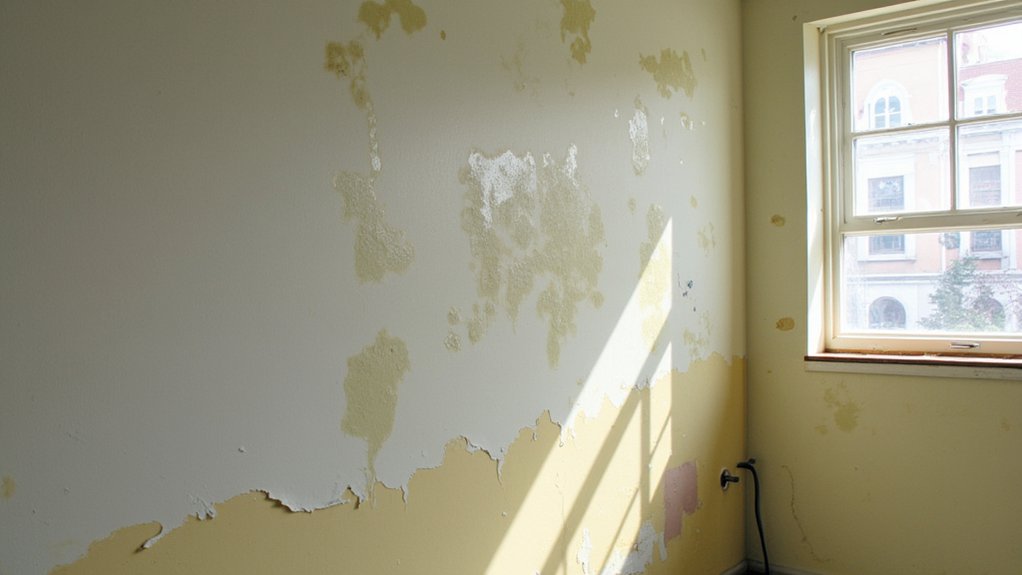
Knowing exactly when to use primer can save you time and money on your painting project. Watch for these clear signs that your walls need priming:
- Stains or water marks that keep bleeding through existing paint
- Uneven, patchy areas where old paint has peeled or chipped
- Dark walls you’re planning to paint a lighter color
- Chalky or powdery residue when you wipe the wall surface
- Previous paint that’s glossy or oil-based
- Repairs with joint compound or spackle
“Any surface that’s porous or has inconsistent texture will need primer to achieve an even finish,” explains professional painter Mike Roberts. You’ll also want to prime if your walls show significant color variations or if it’s been more than 8 years since the last paint job.
Types of Primers for Different Paint Situations
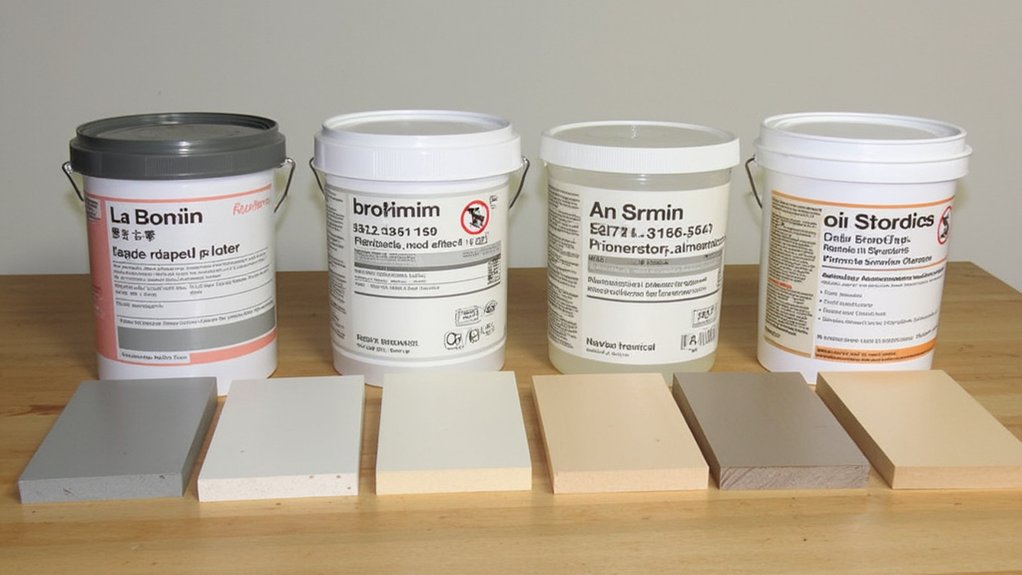
Since different surfaces and painting conditions require specific primers, you’ll need to choose the right type for your project.
Here are the main types of primers you’ll encounter:
- Oil-based primers: Perfect for bare wood and covering stains. “These create an excellent barrier against tannins and water damage,” says painting contractor Mike Stevens.
- Latex primers: Ideal for drywall, soft woods, brick, and concrete. They dry quickly and have low VOC levels.
- Shellac primers: Best for severe water damage and smoke stains. These seal surfaces completely but require proper ventilation.
- Self-priming paint: Works well on previously painted surfaces in good condition.
- Bonding primers: Essential for glossy surfaces, tiles, and metals. “These create a grippy surface that paint can adhere to,” notes professional painter Sarah Chen.
Common Scenarios Where You Can Skip Priming
Although priming is often essential for a quality paint job, you can safely skip this step in several common situations.
You won’t need primer when:
- Painting over a clean, well-maintained surface with the same type of paint
- Applying a new color that’s similar in shade to the existing paint
- Using self-priming paint on interior walls that are in good condition
- Recoating a previously painted surface that’s less than 2 years old
“For surfaces that are already sealed and stable, primer isn’t always necessary,” says Mark Thompson, professional painter with 20 years of experience. However, you’ll still want to clean the surface thoroughly and repair any holes or cracks. If you’re unsure about skipping primer, test a small area first – if the new paint adheres well and provides even coverage, you can proceed without priming.
Best Practices for Priming Painted Surfaces
When you’re ready to prime a painted surface, proper preparation will make or break your results. Start by cleaning the walls with a mixture of warm water and mild detergent, then let them dry completely for 24 hours.
Essential Steps:
- Sand rough spots with 120-grit sandpaper
- Wipe away dust with a tack cloth
- Fill holes with spackling compound
- Let repairs dry for 2-4 hours
“The key is applying primer evenly in thin coats using a W-pattern,” says professional painter Mike Rodriguez. “Wait 4 hours between coats.”
Application Tips:
- Use a 3/8-inch roller nap for smooth surfaces
- Prime one wall at a time
- Maintain a wet edge while working
- Apply 2 thin coats rather than 1 thick coat
