
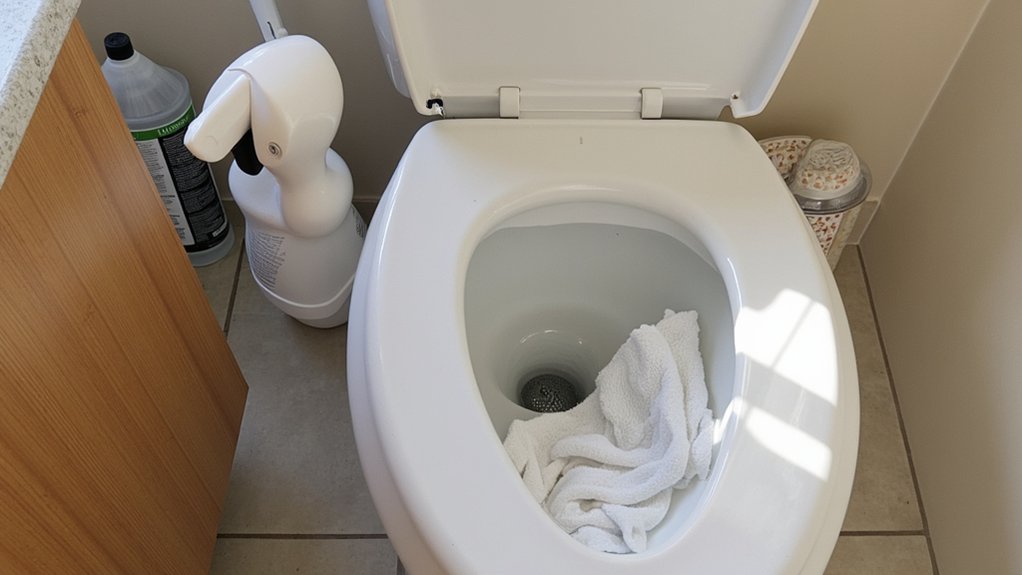
While many households instinctively reach for bleach to clean urine stains, this common practice can create dangerous chloramine gas – a toxic chemical that forms when bleach’s sodium hypochlorite reacts with the ammonia in urine. According to the CDC, even brief exposure to these fumes can cause chest pain, shortness of breath, and severe respiratory issues. Understanding the proper cleaning methods and safer alternatives will protect your family’s health while effectively tackling those stubborn urine spots.
Understanding the Chemical Reaction Between Bleach and Urine
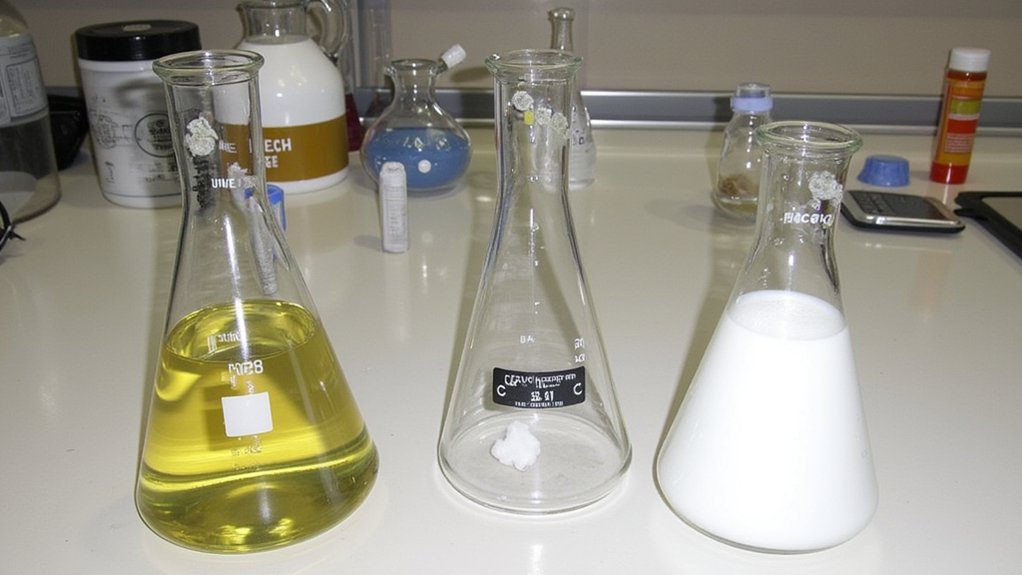
While you might think bleach and urine are a natural cleaning combination, mixing these substances creates dangerous chloramine gas that can harm your respiratory system.
Understanding the chemical composition of both substances helps explain why they’re incompatible. Urine contains ammonia and urea, while bleach consists mainly of sodium hypochlorite. The reaction dynamics between these compounds trigger an immediate chemical transformation.
Safety Guidelines:
- Never mix bleach with urine
- Ventilate areas where you’re cleaning
- Wait for urine to dry before cleaning
According to Dr. Sarah Chen, toxicologist: “The chloramine gas produced can cause severe respiratory issues within minutes of exposure. Even small amounts can trigger coughing, chest pain, and shortness of breath.” You’ll need to use alternative cleaning methods that don’t involve bleach to safely tackle urine stains.
Safety Concerns and Health Risks
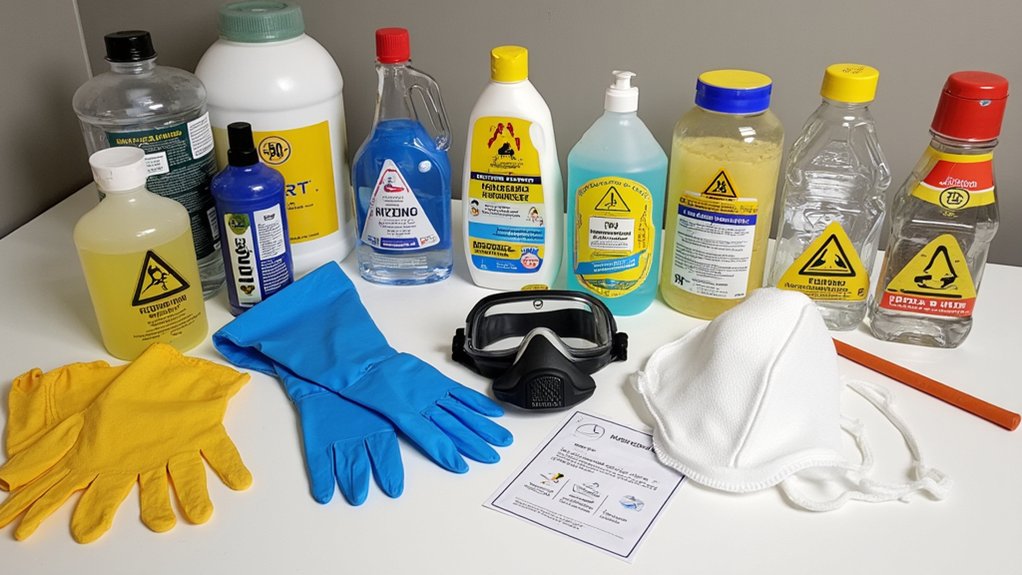
Because the chemical reaction between bleach and urine creates toxic chloramine gas, you’ll need to understand the specific health risks and warning signs of exposure. If you breathe in chloramine fumes, you might experience coughing, chest pain, watery eyes, and shortness of breath.
Common health hazards when mixing bleach with urine include:
- Severe respiratory irritation
- Nausea and vomiting
- Skin irritation and chemical burns
- Throat and lung damage
“Even brief exposure to chloramine gas can cause serious respiratory issues,” warns Dr. Sarah Chen, toxicologist at Metropolitan Medical Center. If you experience any symptoms, immediately move to fresh air and seek medical attention. Never attempt to clean urine stains in poorly ventilated areas, and always wear protective gear including gloves and a mask.
Proper Methods for Cleaning Urine With Bleach
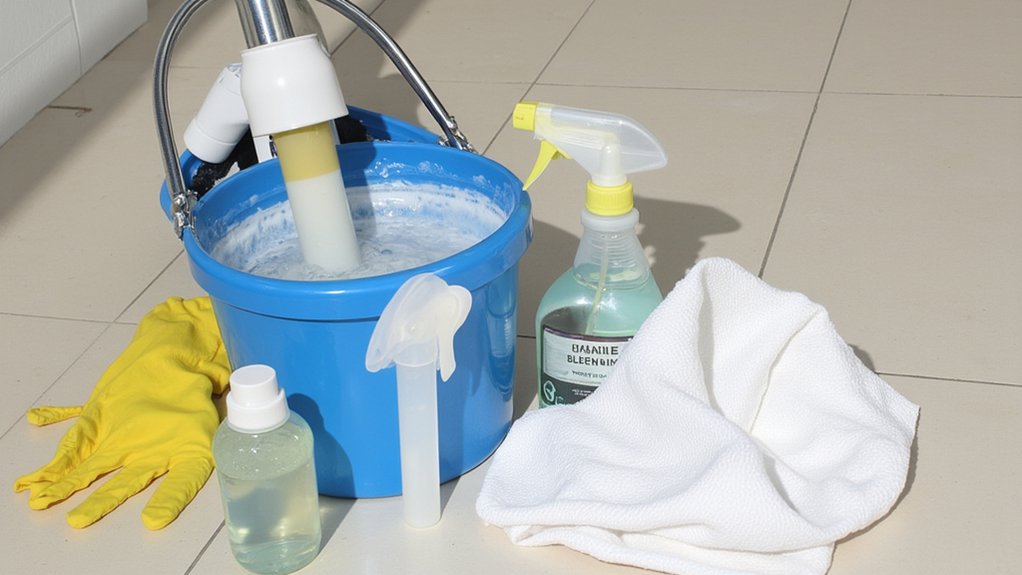
Since proper safety measures are essential when cleaning urine with bleach, you’ll need to follow specific steps to avoid dangerous chemical reactions.
For best urine removal and bleach effectiveness, follow these steps:
- Open windows for ventilation
- Mix 1 cup of bleach with 1 gallon of cool water
- Put on rubber gloves and protective eyewear
- Blot the urine spot with paper towels first
- Apply the diluted bleach solution using a spray bottle
- Let it sit for 5 minutes
- Wipe the area with clean, damp cloths
- Repeat if necessary
- Allow the surface to air dry completely
“Always test the solution on a small, hidden area first to prevent damage to fabrics or surfaces,” advises cleaning expert Sarah Matthews. Remember to never mix bleach with other cleaning products during the process.
Alternative Cleaning Solutions and Products
Although bleach effectively eliminates urine odors and stains, several safer alternatives can achieve similar results without harsh chemicals. You’ll find these gentle yet powerful options readily available in your home:
- White vinegar solution (1:1 ratio with water) breaks down urine crystals and neutralizes odors
- Baking soda absorbs moisture and eliminates lingering smells
- Enzyme-based cleaners specifically target protein-based stains
- Hydrogen peroxide mixed with dish soap (2:1 ratio)
“Natural cleaning solutions are often just as effective as chemical options while being safer for your family and pets,” notes cleaning expert Sarah Martinez. For best results, you can combine methods – first blot the area with vinegar solution, then sprinkle baking soda and let it sit for 15 minutes before vacuuming. These alternatives work especially well on carpets, upholstery, and mattresses.
Preventing Damage to Different Surfaces
While the right cleaning solution matters, each surface requires specific care to prevent lasting damage from both urine and cleaning products.
For carpets and upholstery:
- Test surface compatibility in a hidden area first
- Don’t oversaturate – use just enough solution to dampen
- Blot, never scrub, to prevent fiber damage
For hard surfaces:
- Sealed wood: Wipe immediately and dry thoroughly
- Tile and grout: Safe for bleach solutions, but rinse well
- Natural stone: Avoid bleach – use pH-neutral cleaners only
“Proper stain removal depends on quick action and matching the cleaner to your surface,” says cleaning expert Sarah Martinez. “Many surfaces can’t handle harsh chemicals, so always verify material compatibility before applying any cleaning solution.”
Best Practices for Long-Term Odor Control
Because urine odors can penetrate deep into surfaces and resurface over time, you’ll need a multi-step approach for lasting odor control.
To maintain effective odor neutralization techniques, follow these essential steps:
- Clean thoroughly with an enzymatic cleaner before applying any bleach solution
- Use a UV blacklight to identify all affected areas, even those you can’t see
- Apply a commercial-grade odor neutralizer after disinfecting
- Install a dehumidifier in problem areas to prevent moisture buildup
For long-term maintenance:
- Schedule monthly deep cleanings of previously affected areas
- Monitor humidity levels, keeping them below 50%
- Apply enzyme treatments quarterly, even if no odors are present
“Regular maintenance prevents odor molecules from reactivating in humid conditions,” explains cleaning expert Sarah Chen. “Don’t wait until you smell something to take action.”
Frequently Asked Questions
How Long Should I Wait Before Letting Pets Back Into Bleach-Cleaned Areas?
You’ll need to keep your pets away from bleach-cleaned areas for at least 2-3 hours. For ideal pet safety, wait until the cleaning solution’s completely dry and ventilate the space thoroughly.
Can Bleach Cleaning Remove DNA Evidence From Urine Stains?
Like a flower wilting under harsh sun, DNA evidence can’t survive bleach’s assault. You’ll find bleach’s effectiveness does destroy genetic material, causing complete DNA degradation in urine stains.
Does the Age of Urine Stains Affect How Well Bleach Works?
Yes, urine age impacts stain removal success. You’ll find older stains harder to treat as they’ve had time to deeply penetrate surfaces. Fresh stains respond better to cleaning treatments.
Will Bleach Cleaning Affect Drug Test Results From Urine Samples?
Over 40% of drug tests are tampered with yearly. If you’re using bleach on urine samples, it’ll invalidate test results by destroying drug metabolites and changing chemical compositions completely.
Can Bleach Treatments Damage Septic Systems When Cleaning Bathroom Surfaces?
You’ll risk damaging your septic system with harsh bleach cleaners. For better septic safety, use eco-friendly bleach alternatives like vinegar, baking soda, or enzyme-based cleaners when disinfecting bathroom surfaces.
