
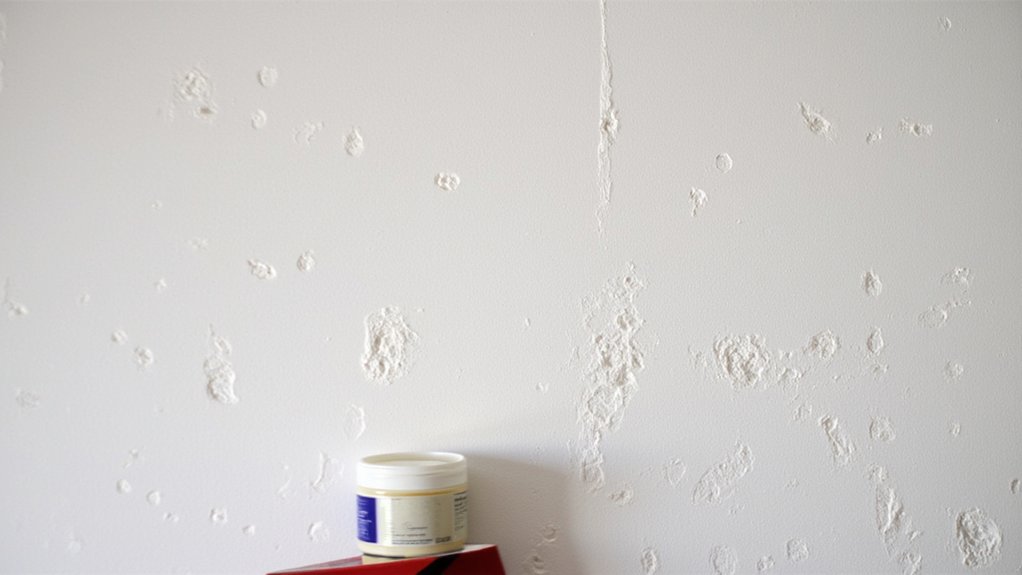
When you’re preparing to sell your house, those tiny nail holes in your walls might seem insignificant, but they can make a big difference to potential buyers. “Even small imperfections like nail holes can reduce a home’s perceived value by 2-3%,” notes real estate appraiser Mark Thompson. You’ll need to decide whether to tackle these repairs yourself or hire a professional, considering factors like the number of holes, your skill level, and available time.
The Impact of Nail Holes on Home Value
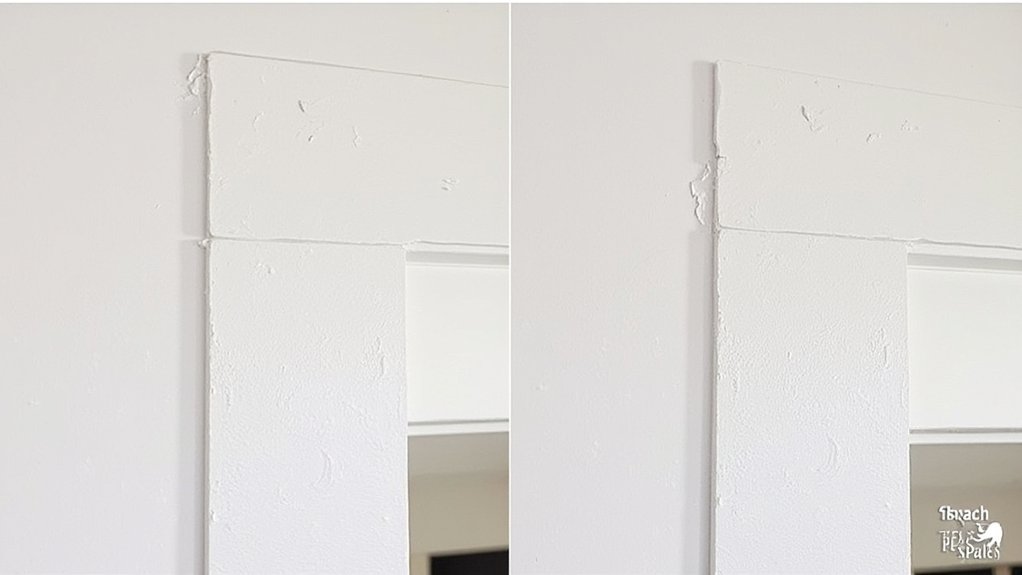
Your walls’ condition directly affects:
- First impressions during showings
- Professional photography results
- Home appraisal values
- Buyer negotiating leverage
Real estate agent Tom Rodriguez notes, “Buyers often use visible nail holes as bargaining chips, claiming they’ll need to invest in repairs.” While a single nail hole might seem trivial, multiple unpainted patches or holes throughout your home can make spaces appear neglected. Studies show that buyers typically notice wall damage within the first 15 seconds of entering a room, making proper repairs essential for maximizing your sale price.
Professional vs. DIY Nail Hole Repair
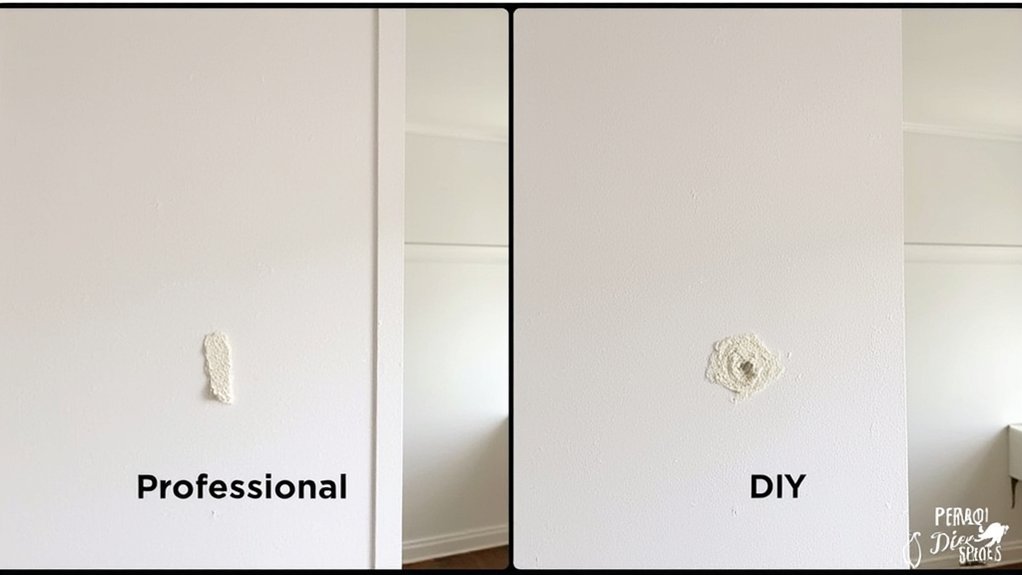
When faced with nail hole repairs, homeowners have two main options: hiring a professional handyman at $50-100 per hour or tackling the project themselves for under $30 in materials.
DIY Benefits:
- Cost savings on labor
- Flexible scheduling
- Control over the process
Professional Benefits:
- Expert color matching
- Guaranteed results
- Time savings
“For basic nail holes under 1/4 inch, most homeowners can achieve professional results with proper materials and technique,” says Mark Thompson, certified home inspector. However, you’ll want to contemplate a pro for:
- Multiple layers of repair
- Textured wall surfaces
- Holes larger than 1/2 inch
- Time constraints before listing
Your choice ultimately depends on your skill level, available time, and the complexity of repairs needed.
Essential Tools and Materials for Patching
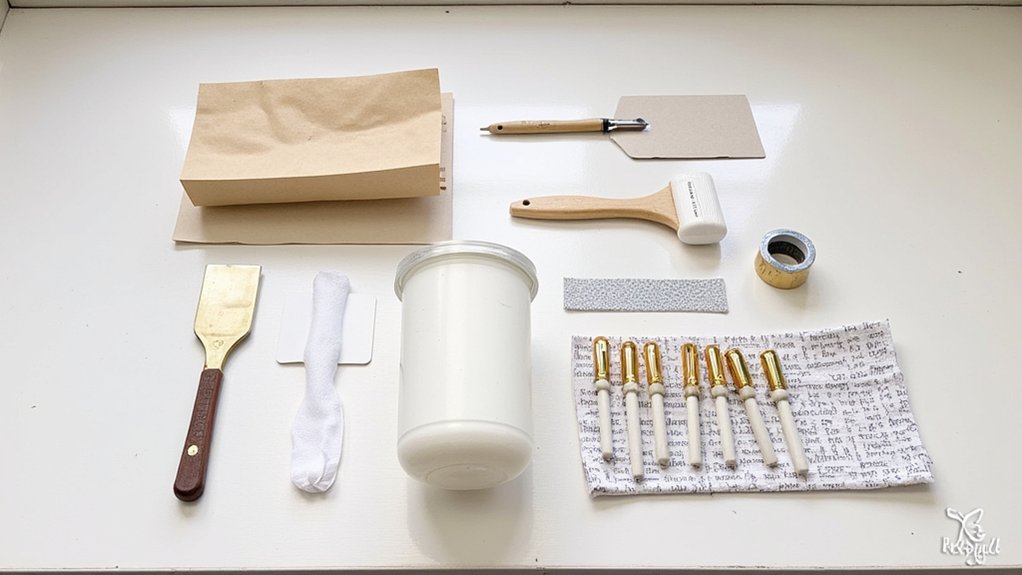
Three core tools and four essential materials form the foundation of any successful nail hole repair project.
Essential Tools:
- Putty knife (2-3 inches wide)
- Fine-grit sandpaper (220 grit)
- Clean cloth for wiping
Required Materials:
- Spackling compound
- Primer
- Paint matching your wall color
- Drop cloth for protection
“The right tools make all the difference in achieving a professional finish,” says Tom Miller, licensed contractor. You’ll want to choose lightweight spackling for small holes under ¼ inch and heavy-duty compound for larger ones. Your putty knife should be slightly wider than the holes you’re fixing. Keep extra sandpaper on hand – you might need to sand twice for the smoothest results. Store your matching paint in an airtight container to maintain proper consistency.
Step-by-Step Wall Repair Process
Although patching nail holes may seem intimidating, following a systematic repair process will guarantee professional results that won’t raise red flags with potential buyers. “I always tell homeowners to tackle nail holes methodically – rushing the job leads to visible imperfections that buyers notice immediately,” explains Sarah Chen, professional home stager.
Follow these steps for flawless results:
- Clean the hole area with a damp cloth
- Apply spackling compound using a 1-inch putty knife
- Let dry for 2-4 hours
- Sand lightly with 220-grit sandpaper
- Wipe away dust with a tack cloth
- Apply a second coat if needed
- Sand again once dry
- Prime the patched area
- Touch up with matching paint
“Don’t skip the priming step,” Chen advises. “It prevents the patch from showing through your final paint coat.”
When to Skip Nail Hole Repairs
While most nail holes deserve proper repair, there are specific situations where you might want to leave them untouched. “Not every hole needs filling – sometimes it’s better to let the next homeowner decide,” says Mark Thompson, a real estate inspector with 20 years of experience.
Skip repairs in these situations:
- When the new owner plans to remodel that room
- If there’s active artwork or mirrors the buyer wants to keep
- When holes are less than 1/16 inch and barely visible
- If the wall texture is unique and matching it would be difficult
“Focus your efforts on holes in high-traffic areas and leave specialty walls alone,” advises Thompson. “Buyers understand that some minor cosmetic issues come with any home purchase, especially if they’re planning changes anyway.”
