
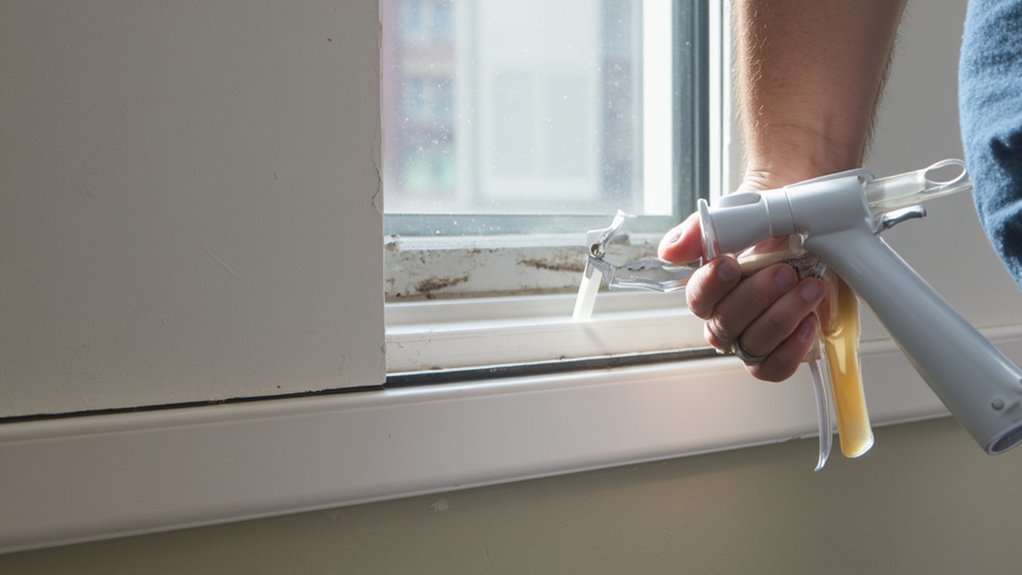
Those frustrating drafts sneaking through your home’s cracks are like tiny thieves stealing your warmth and money. You’ll find that caulk can be an effective weapon against these unwanted air leaks, with the EPA estimating it can cut energy bills by up to 15%. But before you grab that caulk gun, you’ll need to understand which type works best for your specific draft situation and where those pesky air leaks commonly hide.
Understanding How Drafts Impact Your Home

When cold air sneaks into your home through gaps and cracks, it creates uncomfortable drafts that can increase your energy bills by 10-20% annually. These unwanted air leaks don’t just make your rooms feel chilly – they force your heating system to work harder.
Here’s how drafts affect your home:
- They create cold spots near windows and doors
- Cause temperature fluctuations between rooms
- Allow moisture to penetrate walls and insulation
- Make your HVAC system run longer cycles
“Most homes lose about 30% of their heated or cooled air through drafts,” says Mark Stevens, energy efficiency expert at the Department of Energy. You’ll notice drafts most commonly around:
- Window frames and sills
- Door frames and thresholds
- Electrical outlets on exterior walls
- Baseboards and crown molding joints
Types of Caulk and Their Best Uses
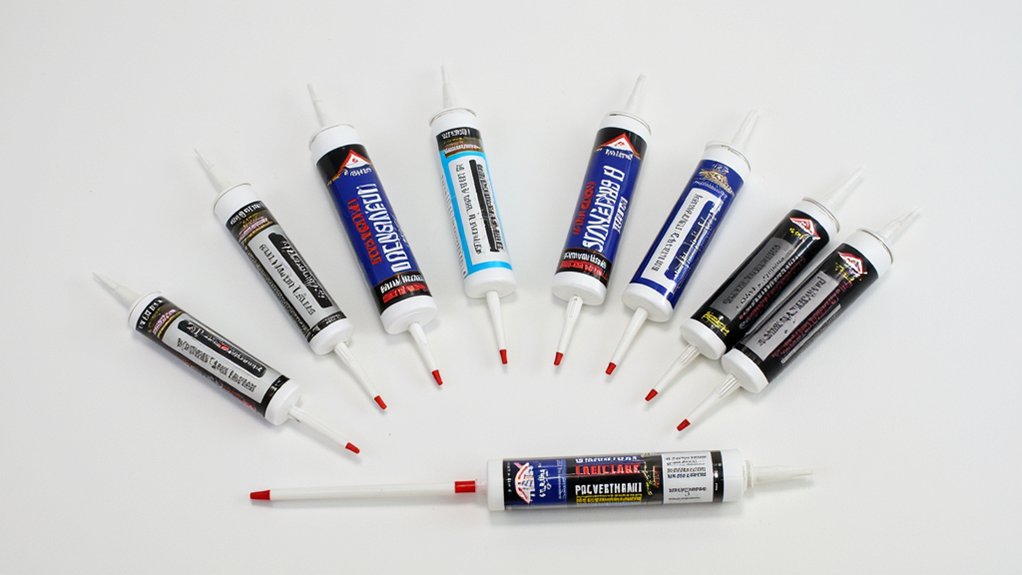
Since different drafts require different solutions, choosing the right type of caulk is essential for effective draft prevention.
Common Types of Caulk:
- Silicone: Best for bathrooms and around windows, stays flexible and waterproof
- Acrylic Latex: Perfect for interior gaps, paintable, easy to clean with water
- Foam: Ideal for large gaps up to 3 inches, expands to fill spaces
- Butyl Rubber: Great for metal and masonry, handles temperature changes well
“Select 100% silicone for areas exposed to moisture and temperature fluctuations,” recommends Tom Wilson, a certified home inspector. “For interior trim and baseboards, acrylic latex will do the job.”
Application Tips:
- Clean surfaces thoroughly
- Use masking tape for clean lines
- Choose clear caulk for mismatched surfaces
- Apply in temperatures above 40°F
Where to Look for Common Draft Points
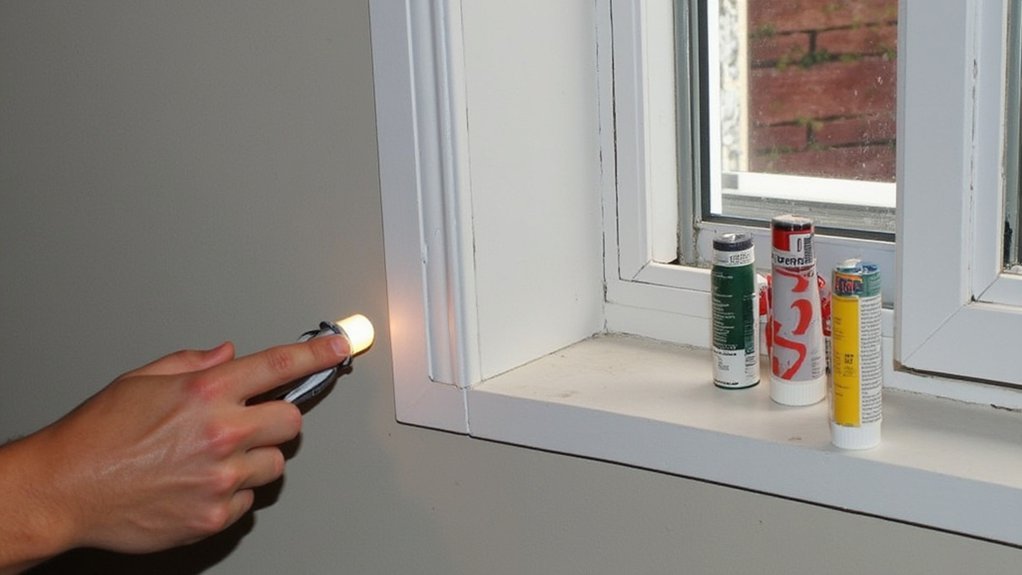
Before you can effectively seal drafts with caulk, you’ll need to locate the most common entry points where cold air sneaks into your home.
Common Draft Points to Check:
- Window frames and sills, especially where the frame meets the wall
- Door frames and thresholds, particularly at the bottom corners
- Electrical outlets on exterior walls
- Baseboards where they meet flooring
- Pipe penetrations under sinks
- Cable or internet line entry points
- Dryer vents and exhaust fan openings
- Crown molding joints at ceiling corners
“Most homeowners overlook up to 30% of draft points by focusing only on windows,” notes Bob Vila, home improvement expert. “Check these areas on a cold, windy day using the back of your hand to feel for air movement.”
Step-by-Step Guide to Applying Caulk
After identifying the drafty spots in your home, you’ll need to follow proper caulking techniques to guarantee an effective air-tight seal.
Follow these steps for best results:
- Clean the area thoroughly with soap and water, then let dry completely
- Cut the caulk tube’s tip at a 45-degree angle, making a hole about 1/4 inch wide
- Insert the tube into your caulk gun and pierce the inner seal
- Hold the gun at a consistent 45-degree angle against the crack
- Apply steady pressure while moving at an even pace
- Smooth the bead with your finger or a caulk-smoothing tool
- Let cure for 24 hours
“Always work in temperatures above 40°F for proper adhesion,” advises Bob Vila, home improvement expert. “And remember to check the caulk’s specifications for ideal drying conditions.”
When Caulk Isn’t the Right Solution
While caulk works well for many drafts, it’s not the right fix for every air leak in your home. Here are situations where you’ll need alternative solutions:
- Large gaps (wider than 1/4 inch): Use expanding foam or weatherstripping instead
- Moving parts: Don’t caulk windows, doors, or any components that need to open and close
- Dryer vents and exhaust fans: These need proper ventilation for safety
- Areas with severe water damage: Fix the underlying moisture problem first
- High-temperature zones: Standard caulk won’t hold up near fireplaces or heating elements
“For gaps between floorboards or large structural cracks, you’ll want to consult a professional,” says Tom Anderson, certified home inspector. “These issues often indicate deeper structural problems that caulk simply can’t address.”
Additional Draft-Prevention Methods
Although caulking effectively blocks many drafts, you’ll want to combine it with other proven methods for maximum energy efficiency in your home.
Consider these proven solutions:
- Install weatherstripping around doors and windows
- Add door sweeps to close gaps under exterior doors
- Place foam gaskets behind outlet covers
- Use shrink-wrap window kits during winter months
- Install foam insulation panels behind radiators
“Draft prevention works best as a layered approach,” says energy auditor Mark Stevens. “Each method addresses different vulnerabilities in your home’s envelope.”
You can also:
- Hang heavy curtains or cellular shades
- Place draft snakes at door bottoms
- Install storm doors and windows
- Apply removable rope caulk for temporary sealing
- Use expanding foam for larger gaps around pipes
