
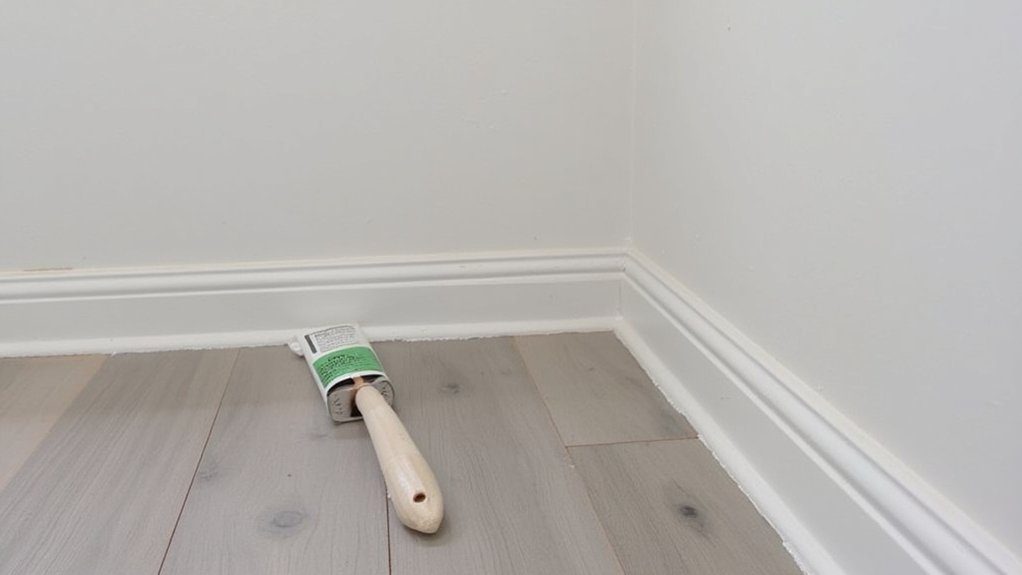
While caulking where your floor meets the wall might seem like a simple home improvement task, it’s actually a decision that requires careful consideration. Professional contractors often debate whether this common practice helps or hinders your home’s structural integrity. “The right choice depends entirely on your flooring type and home’s specific needs,” says Mark Thompson, a 20-year veteran flooring expert. Let’s explore when you should grab that caulking gun – and when you should absolutely avoid it.
Benefits of Caulking the Floor-Wall Junction
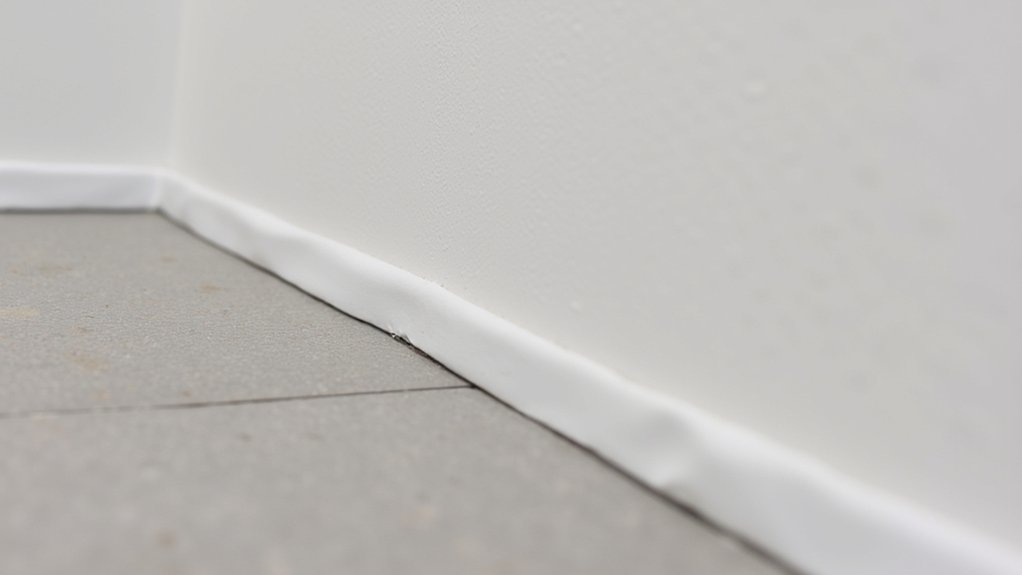
Caulking the space where your floor meets the wall offers three key benefits that’ll make your home more comfortable and efficient.
First, you’ll create a barrier against drafts and air leaks. “A 1/8-inch gap along your baseboards can waste as much energy as leaving a window open 3 inches,” explains home inspector Mike Roberts.
Second, you’ll prevent pest intrusion. Insects and small rodents can’t squeeze through a properly caulked seam, protecting your living space from unwanted visitors.
Third, you’ll improve your home’s appearance. A clean caulk line creates a finished look and covers unsightly gaps between flooring and baseboards. “Professional-grade silicone caulk can last up to 20 years when properly applied,” notes contractor Sarah Chen, “making it a long-term solution for both function and aesthetics.”
When to Skip Caulking Between Floor and Wall
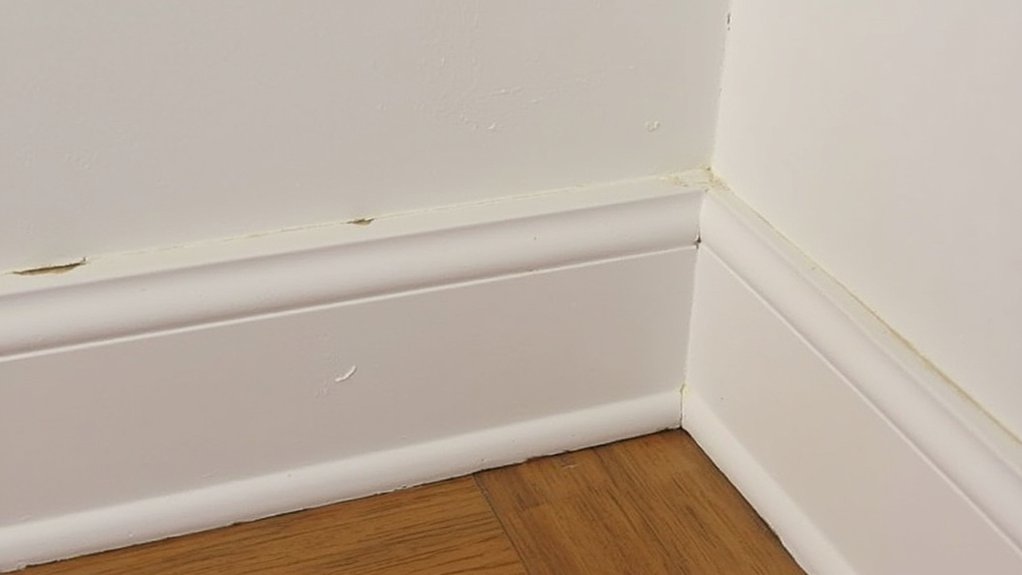
While installing caulk between your floor and wall can provide benefits, you’ll need to skip this step in several important situations.
Don’t caulk when:
- You have floating floors that need room for natural expansion
- Your baseboards are designed with an intentional gap for airflow
- The flooring material requires specific ventilation (like hardwood)
- You’re planning to install quarter round or shoe molding
- The gap exceeds 1/4 inch (use backer rod instead)
“Floating floors need at least 3/8 inch expansion space around the perimeter,” explains Tom Martinez, certified flooring installer. “Caulking these gaps can lead to buckling and material failure.”
You should also avoid caulking in areas prone to moisture intrusion, as trapped water can cause mold growth behind baseboards.
Best Practices for Floor-Wall Caulking
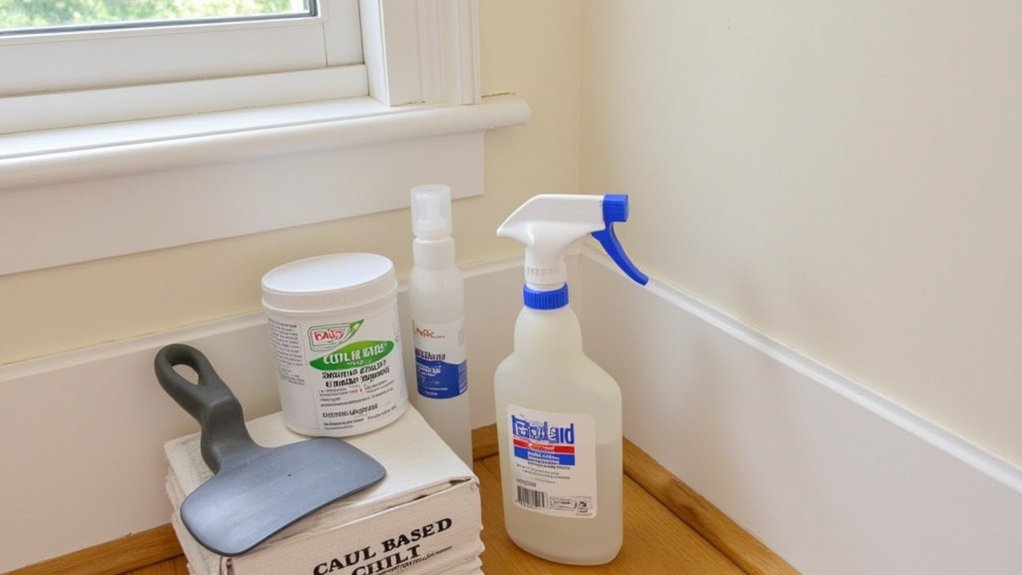
Success with floor-to-wall caulking depends on proper preparation and technique, just like any home improvement project.
Essential Steps:
- Clean the joint thoroughly with rubbing alcohol
- Remove old caulk completely using a putty knife
- Vacuum all debris from the gap
- Apply painter’s tape on both sides for clean lines
Application Tips:
- Cut the caulk tube tip at a 45-degree angle, making a 1/8-inch opening
- Hold the gun at a consistent 45-degree angle while applying
- Apply steady pressure for an even bead
- Smooth the bead within 5 minutes using a wet finger or caulk tool
“The key is maintaining consistent pressure and speed,” says contractor Mike Reynolds. “Work in 3-foot sections and don’t rush the smoothing process.”
Allow 24 hours for complete curing before exposing to water or traffic.
Choosing the Right Caulk for Your Flooring Type
Selecting the appropriate caulk for your specific flooring material makes an essential difference in both appearance and longevity of the seal.
Here’s what to use for different flooring types:
Hardwood Floors:
- 100% silicone caulk in matching wood tones
- Acrylic latex with silicone for painted baseboards
Tile Floors:
- Sanded caulk for gaps larger than 1/8 inch
- Unsanded caulk for narrower gaps
- Color-matched to your grout
Vinyl and Laminate:
- Clear silicone caulk for waterproofing
- Paintable acrylic latex for visible areas
Carpet:
- Flexible acrylic latex that allows movement
- Clear silicone for bathrooms and wet areas
“Always check your flooring manufacturer’s recommendations,” advises John Miller, certified flooring installer. “Some warranties require specific caulk types for maintaining coverage.”
Common Mistakes to Avoid When Caulking Floor Edges
Many DIY enthusiasts make serious mistakes when caulking floor edges that can lead to unsightly results and poor moisture protection. “I see homeowners rushing the prep work and using improper techniques all the time,” says Mike Thompson, professional contractor with 20 years of experience.
Common mistakes to avoid:
- Applying caulk without cleaning the gap first
- Using too much caulk instead of a 1/4-inch bead
- Smoothing the bead with your finger instead of a proper caulking tool
- Not letting the surface dry completely (24 hours minimum)
- Choosing clear caulk when colored would match better
“The biggest mistake I see is people trying to fill large gaps with caulk,” Thompson explains. “Anything wider than 3/8 inch needs backing rod first, or the caulk will crack within months.”
