
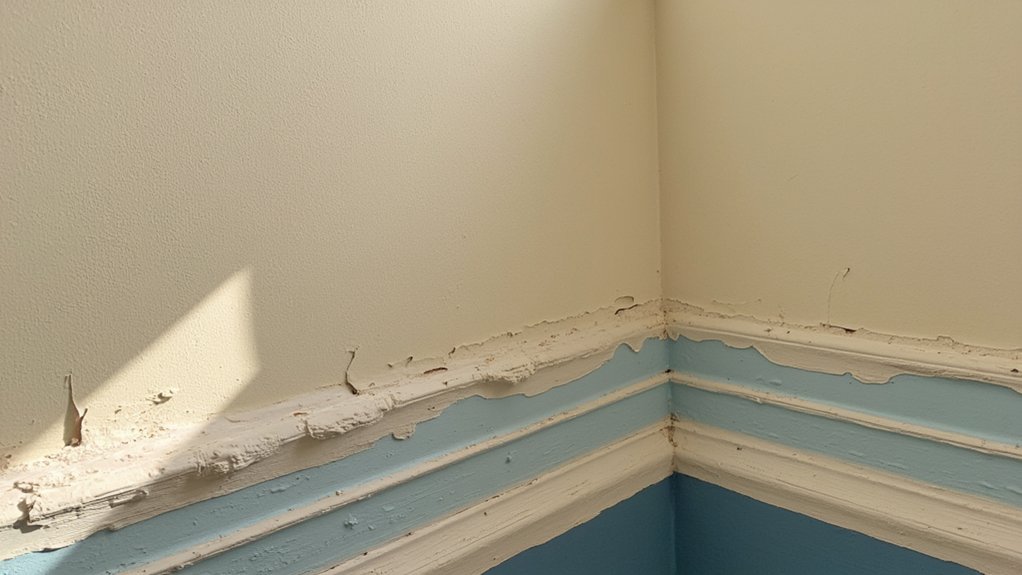
You’ve probably wondered if there’s a limit to how many times you can repaint your walls. While it’s tempting to keep adding fresh coats year after year, experts warn that exceeding 4-5 layers can lead to serious problems. “Paint buildup beyond 1/16 inch starts compromising wall integrity,” says Mark Stevens, a certified painting contractor with 20 years of experience. Let’s explore what happens when walls get overloaded with paint and how you can prevent costly repairs.
Understanding Paint Layer Limitations
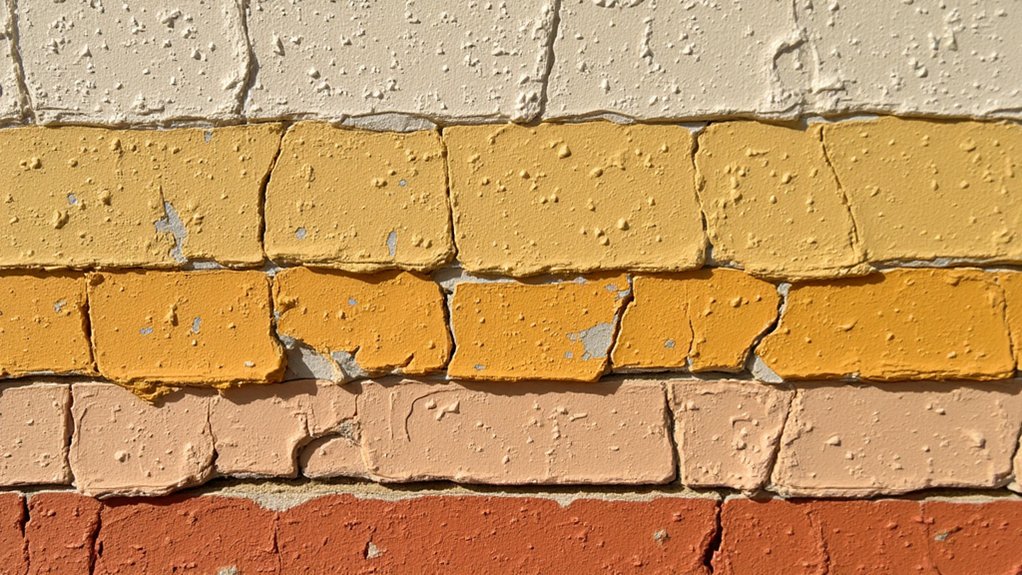
While many DIY painters assume they can apply endless coats of paint, walls and surfaces actually have practical limitations for paint layers.
According to professional painter Mike Stevens, “You shouldn’t exceed 4-5 coats of paint on interior walls, as additional layers can lead to peeling and adhesion problems.” Here’s what you need to know about paint layer limits:
- Each paint layer adds 4-6 mils (thousandths of an inch) of thickness
- Maximum recommended total thickness: 16-20 mils
- Paint needs 2-4 hours between coats to properly cure
- Existing layers should be tested for adhesion before adding more
If you’re working with older walls, you’ll want to determine the current number of layers. You can check this by carefully scraping a small section near the baseboard with a utility knife.
Signs Your Wall Has Too Many Coats
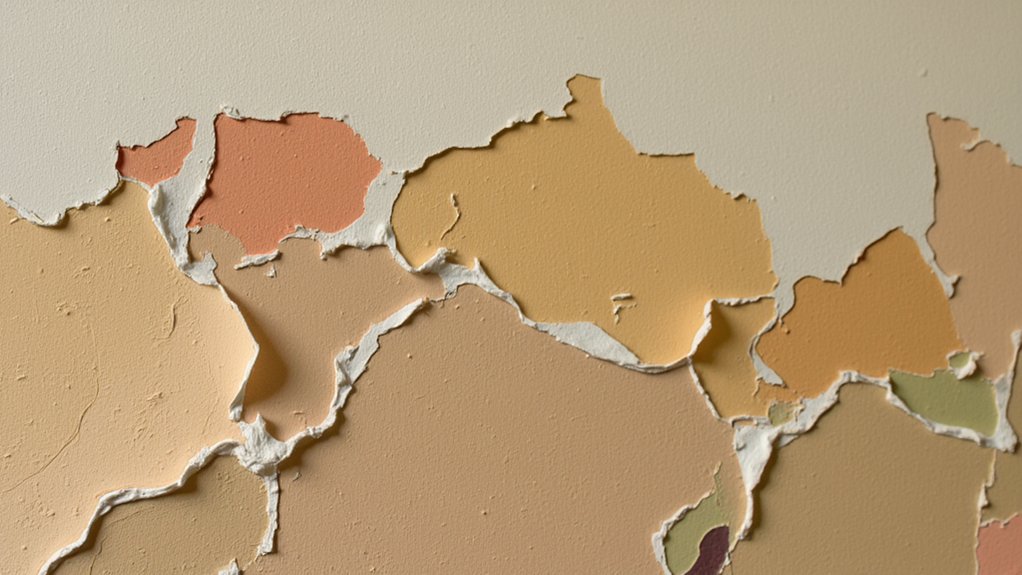
Several telltale signs can alert you to an excessive buildup of paint on your walls. Watch for these key indicators:
- Deep cracks that reveal multiple paint layers
- Door and window frames that look thick or won’t close properly
- Uneven texture with visible drips or bubbles
- Peeling sections showing numerous color layers underneath
“When you notice paint layers thicker than 1/16 inch, that’s typically a sign of too many coats,” says Mark Thompson, professional painter with 20 years’ experience. You’ll also want to check corners and edges, where paint tends to accumulate. Run your hand along the wall – if you feel significant texture variations or bumps, you’re likely dealing with paint buildup. Look for areas where the surface appears wavy or distorted, especially in natural lighting.
Factors Affecting Paint Layer Capacity
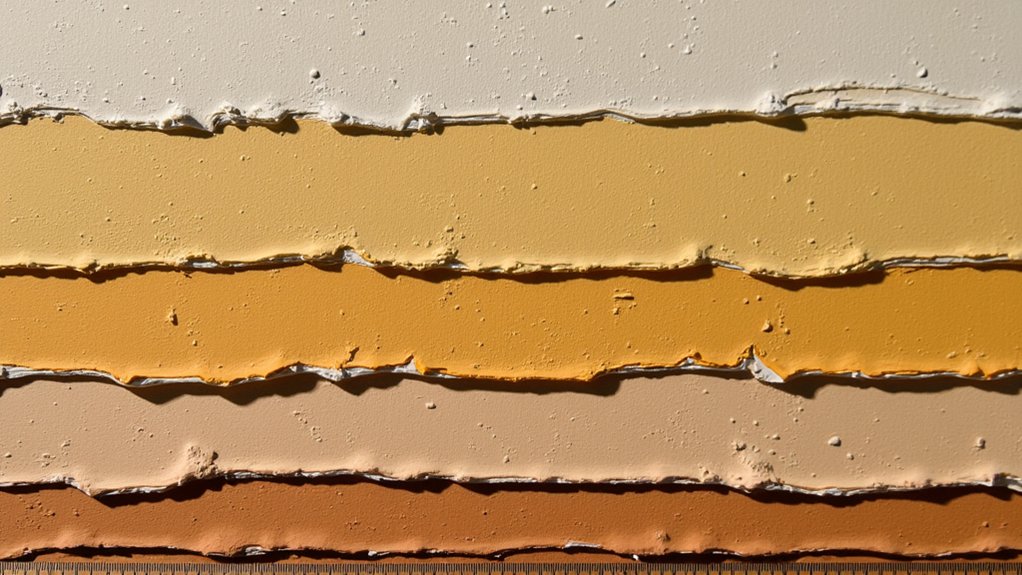
The type of wall surface plays a major role in determining how many paint layers it can successfully hold. Here’s what affects your wall’s paint capacity:
Surface Material
- Drywall can typically handle 3-4 layers
- Plaster walls accept 5-6 coats
- Concrete surfaces tolerate up to 7 layers
Environmental Conditions
- High humidity limits paint adhesion
- Temperature fluctuations affect paint bonding
- Direct sunlight exposure weakens paint layers
Paint Characteristics
- Oil-based paints build up faster than latex
- Dark colors need fewer layers than light shades
- Primer counts as a full coat
“Wall texture and porosity directly impact paint absorption rates,” says Mark Turner, certified painting contractor. “You’ll need to take into account these factors before adding another layer to avoid potential adhesion issues.”
Proper Surface Preparation Between Coats
Before applying additional paint coats, you’ll need to properly prepare each dried layer through light sanding and thorough cleaning.
Essential preparation steps:
- Wait 24-48 hours for complete drying between coats
- Use 180-220 grit sandpaper to lightly scuff the surface
- Wipe walls with a tack cloth to remove dust particles
- Clean with a mixture of warm water and mild detergent
- Allow surface to dry completely (2-4 hours)
“Proper preparation prevents paint adhesion issues and guarantees a professional finish,” says Mike Reynolds, certified painting contractor. “Don’t skip the sanding step – it creates a mechanical bond between layers.”
Remember to:
- Sand in circular motions using light pressure
- Pay extra attention to bumps and drips
- Vacuum baseboards and floors before new coat
- Maintain proper ventilation throughout process
Removing Excess Paint Layers Safely
Multiple layers of old paint can create thick, uneven surfaces that need proper removal before applying fresh coats. “When you’re dealing with more than 4-5 existing paint layers, it’s important to strip some away to prevent cracking and peeling,” explains Sarah Chen, architectural restoration specialist.
To safely remove excess paint layers:
- Test for lead paint first using an EPA-approved kit
- Use chemical stripper for latex paint (let sit 15-20 minutes)
- Apply paste stripper for oil-based paints (wait 30 minutes)
- Scrape with plastic tools to avoid wall damage
- Sand remaining residue with 120-grit sandpaper
- Clean surface thoroughly with TSP solution
“Always work in a well-ventilated area and wear appropriate safety gear including goggles, gloves, and a respirator,” advises Chen.
Best Practices for Long-Term Wall Maintenance
While maintaining your walls may seem like an intimidating task, establishing good care routines will help paint jobs last 5-7 years longer. “Regular inspection and maintenance can prevent most common wall issues before they become serious problems,” notes Marcus Rivera, professional painter and building maintenance expert.
To keep your walls in top condition:
- Dust walls every 3-4 months using a microfiber cloth
- Clean scuffs immediately with a gentle cleaner and soft sponge
- Check for moisture spots twice yearly, especially near windows
- Address peeling or bubbling paint within 2-3 days of noticing
- Keep rooms well-ventilated with humidity between 30-50%
- Document paint colors and brands for future touch-ups
- Schedule professional inspections every 2-3 years
“Prevention is always more cost-effective than repairs,” Rivera emphasizes. “A well-maintained wall requires fewer repaints over time.”
When to Call a Professional Painter
Although many painting projects can be DIY endeavors, certain situations demand professional expertise to guarantee the best results. “Complex paint jobs require specialized knowledge and equipment that most homeowners don’t have access to,” explains David Chen, a certified painting contractor with 15 years of experience.
You should call a professional painter when:
- Your walls have 4+ layers of old paint that need removal
- You’re dealing with lead-based paint (common in pre-1978 homes)
- The wall height exceeds 20 feet
- There’s significant surface damage requiring repairs
- You need specialty finishes or textures applied
“If you notice paint bubbling, extensive cracking, or severe peeling, it’s time for professional intervention,” adds Chen. Professional painters can also provide accurate assessments of necessary prep work and recommend proper paint types for your specific situation.
