
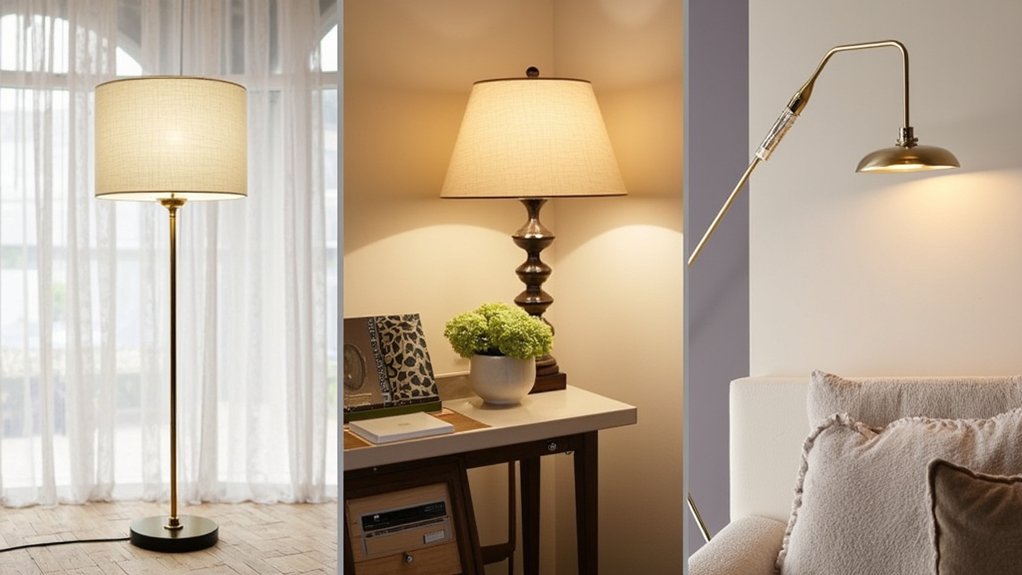
When Sarah moved into her new apartment, she faced a dim living room that felt uninviting despite her stylish furniture. You’ll need more than just a single overhead light to create a welcoming space that serves multiple purposes. Interior designer Mark Stevens notes, “The key is layering different types of lighting to achieve both functionality and ambiance.” From floor lamps that illuminate reading nooks to table lamps that define conversation areas, your lighting choices can transform your living room’s entire atmosphere.
Understanding Different Types of Living Room Lighting
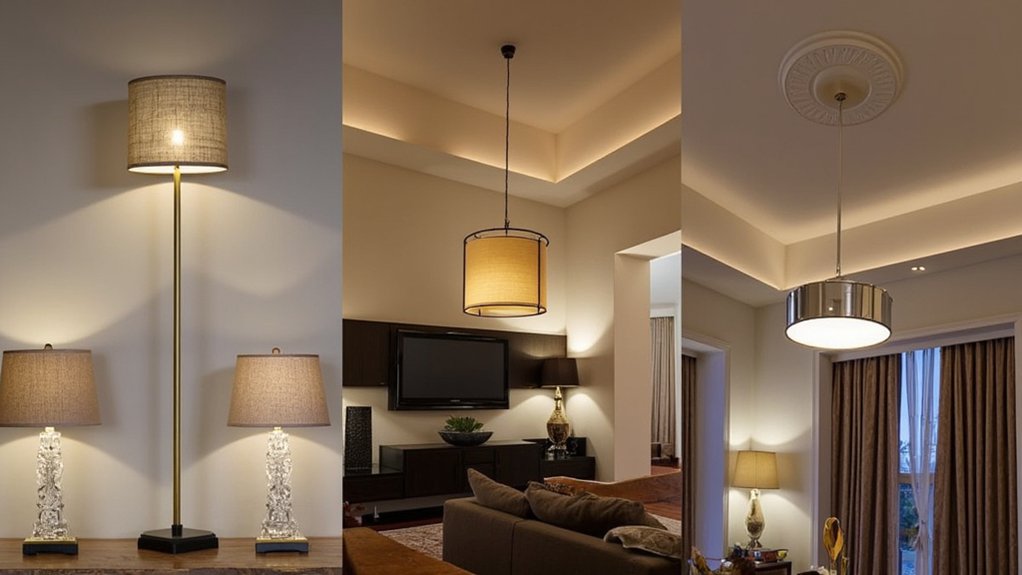
When it comes to lighting your living room effectively, you’ll need to understand the three main types of lighting that work together: ambient, task, and accent lighting.
Ambient lighting provides your room’s overall illumination. You’ll find this in ceiling-mounted fixtures, wall sconces, or torchiere floor lamps that direct light upward. Interior designer Sarah Chen notes, “Aim for 20-30 lumens per square foot of living space.”
Task lighting helps you read, work, or pursue hobbies. Place table lamps or adjustable floor lamps near seating areas, ensuring the bottom of the shade sits at shoulder level when you’re seated.
Accent lighting adds drama by highlighting artwork or architectural features. “Use fixtures that are three times brighter than ambient lighting to create visual interest,” recommends lighting expert Mark Thompson.
Assessing Your Room’s Size and Layout
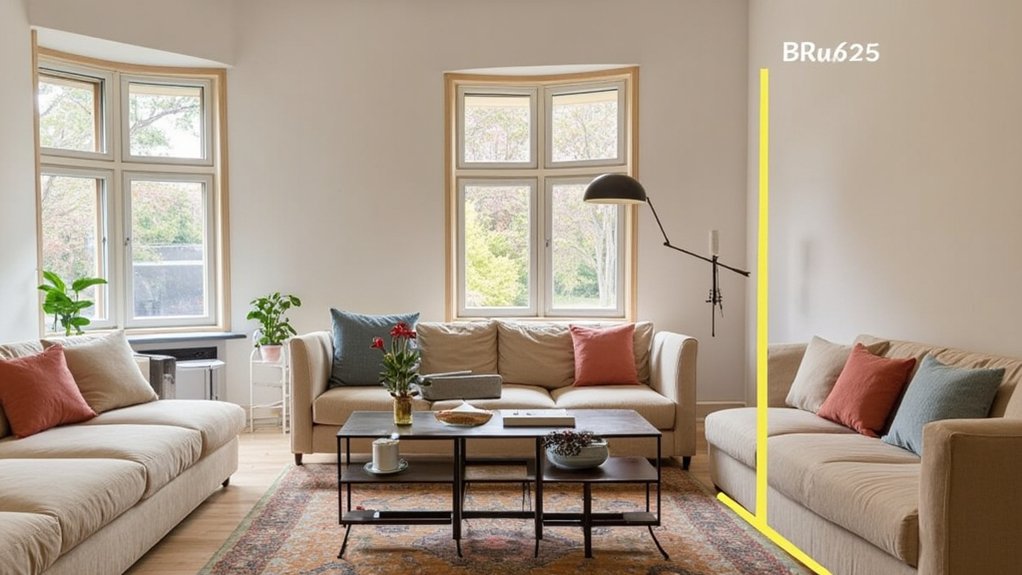
Three key measurements will determine the ideal lamp placement in your living room: ceiling height, seating arrangement, and total square footage.
For optimal lighting, follow these guidelines:
- Ceiling height: You’ll need taller floor lamps (60-72 inches) for rooms with 9+ foot ceilings, while standard height lamps (58-64 inches) work for 8-foot ceilings.
- Seating layout: Place table lamps within 16-18 inches of each seating piece. “Every seat should have easy access to task lighting,” says interior designer Sarah Chen.
- Room size calculations:
- Under 250 sq ft: 2-3 lamps
- 250-400 sq ft: 3-4 lamps
- Over 400 sq ft: 4-6 lamps
Remember to measure pathways between furniture, ensuring at least 30 inches of clearance around each lamp for safe movement.
Determining the Right Light Bulb Intensity
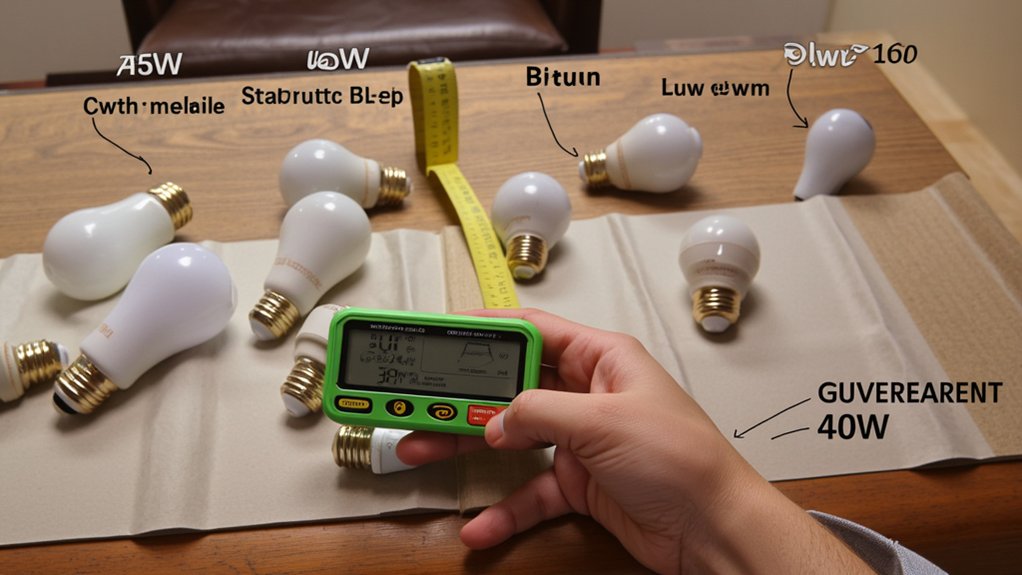
Selecting the right light bulb intensity transforms your living room from harsh and uncomfortable to perfectly illuminated and inviting. Here’s how to calculate your room’s ideal light output:
For general ambient lighting:
- Multiply your room’s square footage by 20 for the minimum lumens needed
- Example: 200 sq ft room × 20 = 4,000 lumens total
Key brightness levels:
- Task lighting: 450-900 lumens per lamp
- Accent lighting: 100-400 lumens per fixture
- Ambient lighting: 1,500-3,000 lumens total
“A layered lighting approach using different intensities creates the most comfortable living space,” says lighting designer Sarah Chen. You’ll want to distribute these levels among your ceiling fixtures, table lamps, and floor lamps to achieve balanced illumination throughout the room.
Matching Lamp Styles With Your Décor
Now that you’ve calculated your ideal light output, the right lamp style will marry form and function in your living room. Consider these key design elements to match your décor:
Traditional Décor:
- Choose table lamps with ceramic or brass bases
- Look for pleated fabric shades in neutral tones
- Select classic shapes like urns or columns
Modern/Contemporary:
- Opt for sleek metal finishes and geometric shapes
- Consider drum shades in crisp white or black
- Include adjustable floor lamps with minimal details
Transitional Spaces:
- Mix materials like glass and brushed nickel
- Select clean lines with subtle decorative touches
- Use matching pairs for symmetrical arrangements
“The most successful lamp choices echo your room’s existing design elements while adding visual interest,” says interior designer Sarah Martinez.
Strategic Placement for Optimal Illumination
While the right lamp style sets the mood, proper placement guarantees your living room receives balanced illumination for both tasks and ambiance.
Key placement zones:
- Position table lamps 26-30 inches high on end tables flanking your sofa
- Install floor lamps 4-6 feet from seating areas for reading
- Place accent lamps in dark corners to eliminate shadows
“The rule of three works well for living room lighting – aim for light sources at three different heights,” suggests interior designer Sarah Matthews. You’ll want to:
- Space lamps evenly around the room’s perimeter
- Confirm task lighting is within arm’s reach of seating
- Position lights to eliminate harsh shadows and glare
- Layer ambient, task, and accent lighting for ideal coverage
Balancing Form and Function in Lamp Selection
The perfect lamp brings together eye-catching design and practical lighting needs for your living room. When selecting your lamp, consider these key elements:
Height Guidelines:
- Table lamps: 24-34 inches tall
- Floor lamps: 58-64 inches tall
- Reading lamps: Bottom of shade at eye level when seated
Design Elements:
- Match your lamp’s base material to existing room accents
- Choose shades that complement your wall colors
- Select shapes that echo other furniture pieces
“The best living room lamps serve dual purposes – they’re decorative during the day and functional light sources at night,” says interior designer Sarah Chen. You’ll want to guarantee your lamp’s wattage provides adequate task lighting (40-60 watts for ambient, 60-75 watts for reading) while its style enhances your room’s aesthetic appeal.
Color Temperature and Mood Setting
Light color dramatically shapes the mood of your living room space through carefully selected color temperatures. You’ll want to choose between warm lighting (2700-3000K) for relaxation and cool lighting (4000-5000K) for tasks and reading.
Key Color Temperature Guidelines:
- 2700K: Creates a cozy, intimate atmosphere perfect for evening relaxation
- 3000K: Offers warm-white light ideal for entertaining guests
- 4000K: Provides neutral illumination for everyday activities
- 5000K: Delivers daylight-equivalent brightness for detailed tasks
“The right color temperature can transform your living room from an energetic workspace to a calm sanctuary,” says lighting designer Sarah Chen. You can layer different temperatures using multiple lamps – try placing a cool task lamp near your reading chair and warm accent lights around seating areas.
Budget-Friendly Lighting Solutions
Creating an inviting living room doesn’t require spending hundreds on designer lighting when you explore budget-conscious alternatives.
Consider these money-saving options:
- Shop seasonal sales at home improvement stores, where you’ll often find 30-50% discounts
- Browse thrift stores and yard sales for vintage lamps you can update with new shades
- Check online marketplaces for floor samples and discontinued models
- Install LED bulbs that save $10-15 annually per lamp on energy costs
Interior designer Sarah Chen notes, “You can transform basic lamps with spray paint, new finishes, or decorative pulls for under $20.”
Quick DIY upgrades:
- Replace outdated shades ($15-25)
- Add dimmer switches ($8-12)
- Update lamp bases with metallic paint ($5-10)
- Install smart bulbs for automated control ($12-15)
Mixing and Layering Different Light Sources
Create your lighting layers:
- Ambient: Install overhead fixtures or recessed lights at 7-8 feet high
- Task: Position table lamps at 26-28 inches for reading areas
- Accent: Add wall sconces at eye level (about 5-6 feet)
Mix light intensities using this formula:
- Ambient lighting: 1,500-3,000 lumens
- Task lighting: 400-800 lumens per work area
- Accent lighting: 200-400 lumens to highlight artwork or architectural features
Balance warm and cool light sources to create depth and visual interest throughout your space.
Maintenance and Care Tips for Your Lamps
Once you’ve set up your perfect lighting arrangement, keeping those lamps in top condition will guarantee they continue performing their best.
Basic Care:
- Dust lampshades weekly using a soft microfiber cloth or vacuum brush attachment
- Clean glass or metal bases monthly with appropriate cleaners
- Check and tighten bulb connections every 3-4 months
- Replace bulbs immediately when they burn out
Safety Maintenance:
- Inspect cords quarterly for fraying or damage
- Keep lamp bases at least 6 inches from walls and curtains
- Never exceed the maximum recommended wattage
“Regular maintenance extends your lamp’s lifespan by 40% and prevents electrical hazards,” notes lighting expert Sarah Chen. Remember to unplug lamps before cleaning and let glass or metal parts cool completely if they’ve been in use.
