
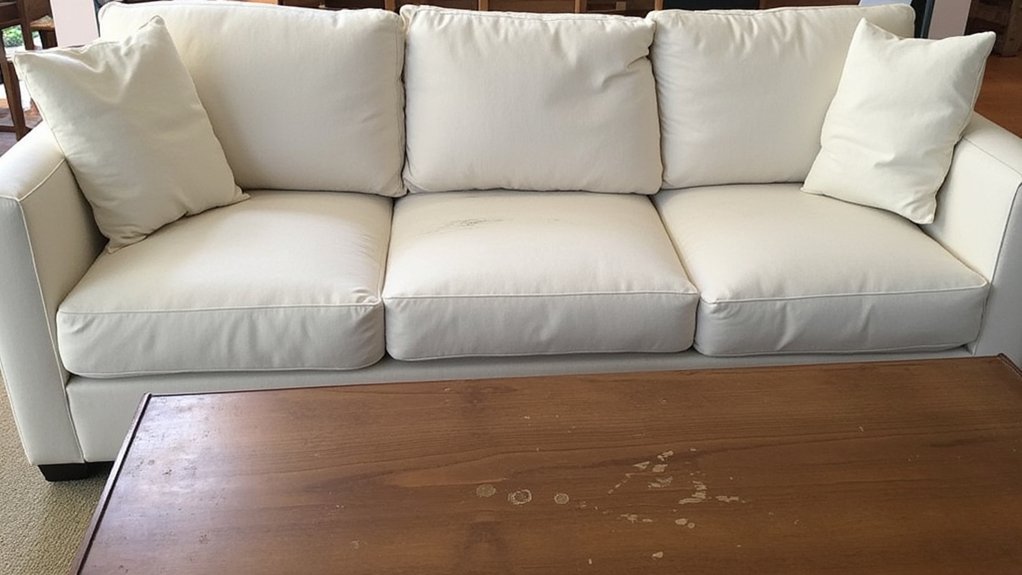
You might be surprised to learn that your living room furniture has a natural expiration date, just like the food in your fridge. When you’re investing thousands of dollars in sofas, chairs, and tables, you’ll want to know exactly how long they should last before showing signs of wear. With proper care and maintenance, quality pieces can serve you well beyond their expected lifespan – but first, you’ll need to understand what affects their durability.
Average Lifespan of Common Living Room Furniture Pieces
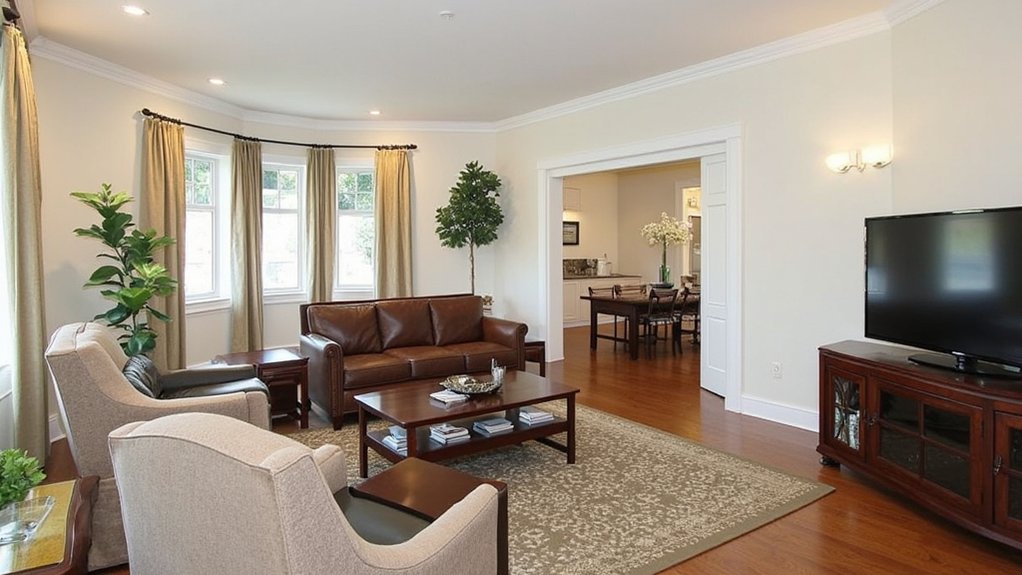
Different living room furniture pieces have distinct lifespans based on their materials, construction quality, and usage patterns. Here’s what you can typically expect:
- Sofas and couches: 7-15 years
- Leather: 12-15 years with proper care
- Fabric: 7-10 years with regular use
- Coffee tables: 10-20 years
- Solid wood: 15-20 years
- Glass or metal: 10-15 years
- Recliners: 10-15 years
- Manual: 12-15 years
- Power: 10-12 years
“Quality furniture should last at least a decade with proper maintenance,” says interior designer Sarah Miller. “You’ll know it’s time for replacement when you notice sagging cushions, creaking frames, or worn upholstery.”
- Accent chairs: 7-10 years
- Entertainment centers: 10-20 years
- Side tables: 15-20 years
Key Factors That Impact Furniture Durability
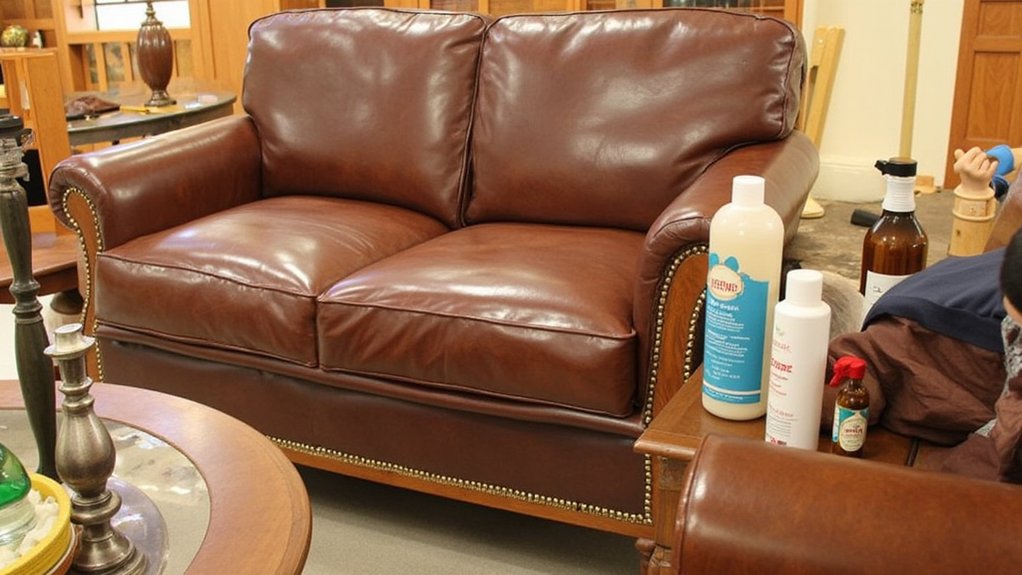
Several critical factors determine how long your living room furniture will last, from the quality of materials to daily wear and tear.
Key Elements Affecting Durability:
- Material Quality
- Hardwoods like oak and maple last 15-20 years longer than softwoods
- Full-grain leather outlasts bonded leather by 10+ years
- High-resilience foam cushions maintain shape 3-4 times longer than standard foam
- Usage Patterns
- Daily use reduces lifespan by 20-30% compared to occasional use
- Direct sunlight exposure can fade fabrics within 2-3 years
- Weight capacity adherence extends frame life by 5+ years
- Environmental Conditions
- Consistent humidity (30-50%) prevents wood warping
- Room temperature between 68-72°F preserves upholstery
- Regular cleaning adds 2-3 years to furniture life expectancy
“Construction quality and maintenance routines are the biggest predictors of furniture longevity,” notes furniture expert Thomas Reid.
Signs It’s Time to Replace Your Living Room Furniture
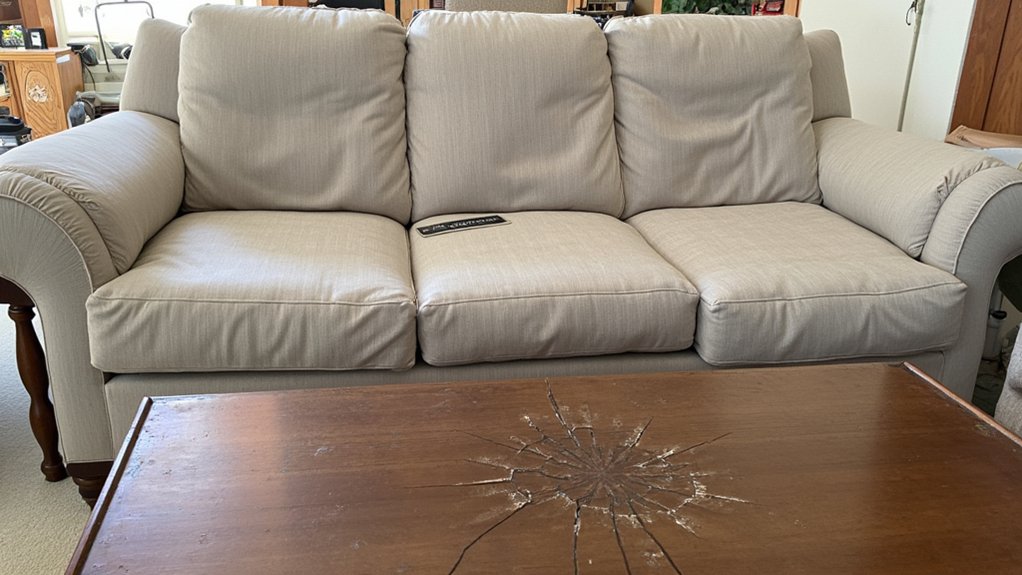
While regular maintenance helps extend furniture life, certain unmistakable signs indicate it’s time for replacement.
Key Signs to Watch For:
- Visible sagging in cushions that don’t bounce back after 30 seconds
- Creaking or wobbling when you sit down
- Torn upholstery that’s beyond repair
- Broken springs or frame damage
- Persistent odors that cleaning won’t remove
According to furniture expert Mark Davidson, “When your sofa’s support system is compromised, it’s not just about aesthetics – it’s about safety.” You’ll notice:
- Difficulty getting up from seated positions
- Visible frame warping or splitting
- Cushion filling that’s noticeably lumpy or flat
- Fabric wear in high-traffic areas showing underlying materials
- Support boards that crack or break under normal use
Maintenance Tips to Extend Furniture Life
Regular maintenance of your living room furniture isn’t just about keeping things clean – it’s about protecting your investment for years to come.
Key Maintenance Tips:
- Vacuum upholstery weekly using a soft brush attachment
- Rotate cushions every 3-4 months to guarantee even wear
- Keep furniture 12 inches from heating vents and direct sunlight
- Clean spills immediately with appropriate cleaning solutions
“Professional cleaning of upholstered pieces every 12-18 months removes deep-set dirt and prevents fiber breakdown,” says furniture expert Sarah Chen.
For wooden furniture:
- Dust weekly with a microfiber cloth
- Apply furniture polish every 3 months
- Check and tighten loose screws quarterly
- Maintain indoor humidity between 40-45%
- Use coasters and placemats to prevent water rings
“Regular care prevents 90% of common furniture damage,” notes restoration specialist Mike Torres.
Understanding Furniture Quality and Construction
The quality and construction methods of your living room furniture directly determine how long it will last in your home. When evaluating furniture quality, focus on these key elements:
Frame Construction:
- Hardwood frames (maple, oak) last 15-20 years
- Kiln-dried wood prevents warping
- Corner blocks and dowels indicate sturdy assembly
Upholstery Materials:
- Eight-way hand-tied springs offer superior support
- High-density foam (1.8 or higher) maintains shape
- Double-stitched seams prevent splitting
“Quality furniture features mortise-and-tenon or dovetail joints rather than just staples and glue,” says furniture expert Mark Thompson. You’ll want to examine:
- Joint construction
- Weight capacity (minimum 250 lbs per seat)
- Warranty terms (look for 5+ years)
- Fabric rub count (15,000+ for durability)
Cost vs. Longevity: Making Smart Investment Choices
Smart furniture investment decisions balance initial costs against expected lifespan and usage patterns in your home. When you’re comparing pieces, consider these value-focused guidelines:
Quality Tiers and Expected Longevity:
- Entry-level ($500-1000): 3-5 years
- Mid-range ($1000-3000): 7-10 years
- High-end ($3000+): 15-20+ years
“Calculate cost-per-year by dividing the purchase price by expected years of use,” advises furniture expert Sarah Chen. “A $2000 sofa lasting 10 years costs $200 annually, while an $800 sofa lasting 4 years costs the same yearly.”
Consider these factors when investing:
- Daily usage hours
- Household size
- Care and maintenance requirements
- Warranty coverage
- Reupholstery potential
- Construction materials’ durability
